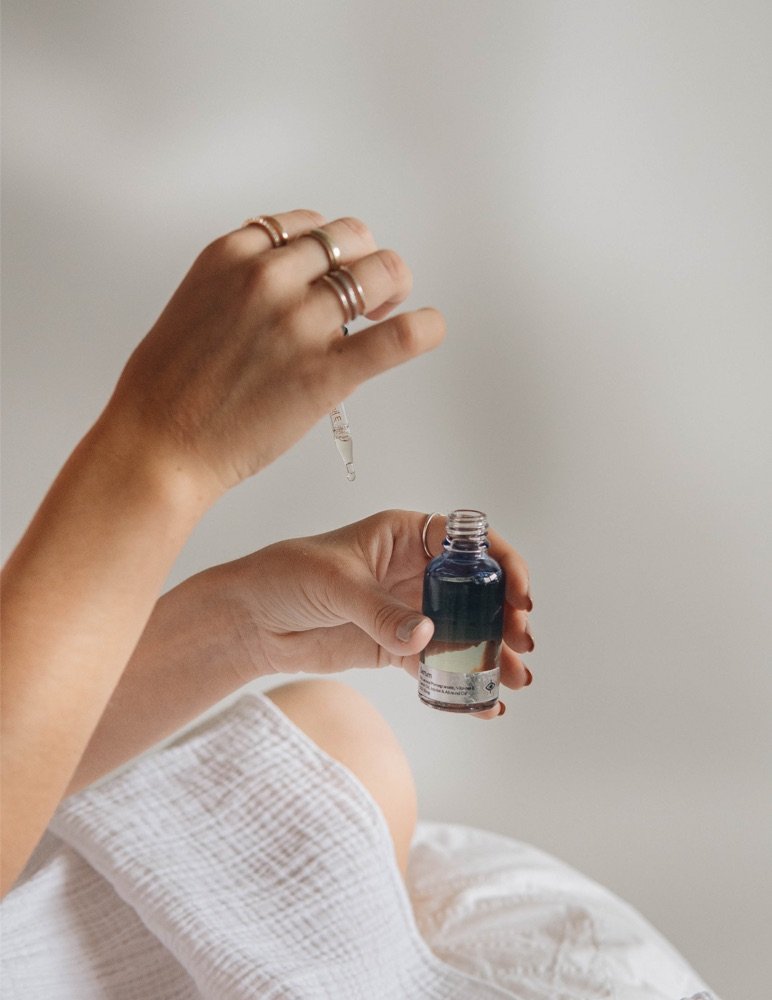
If you’ve ever asked yourself, “Why is my skin peeling on my face after skincare?”, you’re not alone. It can be confusing and frustrating to notice dry, flaky, or peeling skin, especially after following what you thought was a good skincare routine. You might wonder if your products are too harsh, if you’re doing something wrong, or if there’s a deeper reason behind the irritation.
The truth is, peeling skin can happen to anyone. It’s your body’s way of telling you that something’s off, maybe your skin barrier is damaged, your products are too strong, or an underlying condition is at play. The good news? With the right care and awareness, you can heal peeling skin, restore your glow, and prevent it from happening again.
In this post, we’ll dive deep into the main causes of peeling skin on your face after skincare and go over the best ways to fix it fast, all in simple, clear language.
Understanding Why Skin Peels on the Face
When your skin starts peeling, it means the top layer of your skin—called the epidermis—is shedding dead or damaged cells. Sometimes this is natural, but other times it’s a sign that your skin barrier (the outermost protective layer) has been irritated or overworked.
Skincare products are meant to help your skin look its best, but if they strip too much oil or contain harsh ingredients, they can do more harm than good. Sun exposure, cold weather, and even dehydration can make things worse.
So, if you’ve been wondering, “Why is my skin peeling on my face after skincare?”, it’s important to understand that this peeling is usually a reaction, not a random occurrence.
Let’s take a closer look at the most common reasons behind it.
Common Causes of Peeling Skin After Skincare
1. Over-Exfoliation
Exfoliating is great for removing dead skin cells, but doing it too often or using harsh scrubs can leave your skin raw and irritated.
If you’re using products with acids (like AHAs, BHAs, or glycolic acid) or physical exfoliators with rough particles, you might be stripping away too much of your skin’s natural protection. The result? Peeling, redness, and sensitivity.
Fix:
- Cut back on exfoliating—once or twice a week is plenty for most people.
- Choose gentle exfoliants with mild ingredients.
- Always follow up with a hydrating moisturizer afterward.
2. Harsh or Drying Products
Some cleansers, toners, and treatments contain alcohol, fragrances, or other drying agents that can make your skin peel.
Even products meant to fight acne, like benzoyl peroxide or retinoids, can cause dryness and flaking, especially if your skin isn’t used to them yet.
Fix:
- Use fragrance-free, alcohol-free cleansers and toners.
- Apply a gentle, nourishing moisturizer right after cleansing.
- If you’re using acne treatments, introduce them slowly—start every other night or a few times a week.
3. Sunburn or Sun Damage
One of the most common causes of peeling skin on the face is sunburn. When your skin gets too much UV exposure, the damaged top layer sheds to make room for new skin underneath.
Even mild sunburns can cause redness, pain, and peeling days later.
Fix:
- Stay out of direct sunlight while your skin heals.
- Apply aloe vera or a fragrance-free moisturizer to soothe the area.
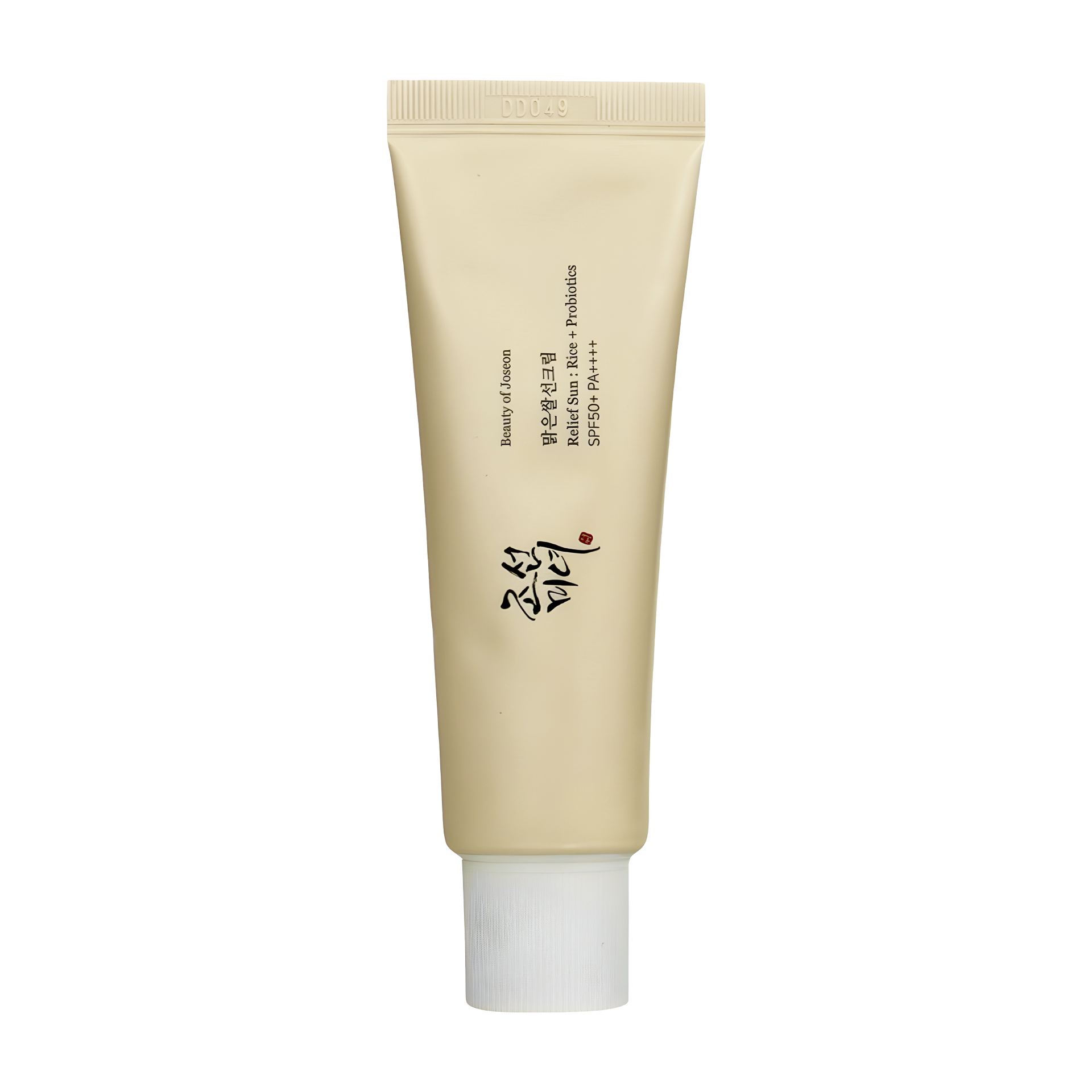
Once healed, wear broad-spectrum sunscreen (SPF 30 or higher) every day, even when it’s cloudy.
4. Dry Skin and Weather Changes
Cold air, hot showers, and dry indoor heating can suck moisture out of your skin, leaving it tight, flaky, and peeling.
If your skincare routine doesn’t include enough hydration, your skin’s natural barrier can weaken, leading to more dryness and irritation.
Fix:
- Use a thick, fragrance-free moisturizer with ingredients like shea butter, hyaluronic acid, or glycerin.
- Avoid long, hot showers; opt for warm water instead.
- Consider using a humidifier at home to keep moisture in the air.
5. Allergic Reactions or Irritation
Sometimes, peeling skin is your face’s way of telling you that it doesn’t like a certain product.
If you recently added a new moisturizer, serum, or cleanser to your routine and noticed redness, itching, or flaking soon after, it could be an allergic reaction or irritation.
Fix:
- Stop using the new product immediately.
- Stick to gentle, unscented basics while your skin recovers.
- If irritation continues, talk to a dermatologist for personalized advice.
6. Medical or Skin Conditions
Certain health conditions can also cause peeling skin, no matter how gentle your skincare routine is.
Some of the most common include:
- Eczema: Causes red, itchy, flaky patches.
- Psoriasis: Leads to thick, scaly areas that can peel.
- Rosacea: Can cause redness, peeling, and irritation.
- Fungal infections: May result in peeling and discoloration.
- Hypothyroidism: A thyroid issue that can make skin dry and flaky.
Fix:
If you suspect a medical condition is behind your peeling, it’s best to see a dermatologist. They can diagnose the issue and recommend the right treatment, such as medicated creams or other therapies
How to Fix Peeling Skin on the Face
Now that you know the main reasons behind the problem, let’s focus on how to heal and prevent peeling skin effectively.
1. Moisturize Immediately After Cleansing
After washing your face, your skin is most receptive to moisture. Applying a fragrance-free moisturizer while your skin is still slightly damp helps lock in hydration and prevent further peeling.
Look for ingredients like:
- Shea butter
- Hyaluronic acid
- Glycerin
- Lactic acid
- Dimethicone
Avoid anything that contains alcohol or strong fragrances.
2. Simplify Your Skincare Routine
When your skin is peeling, less is more. Overloading your face with too many products can make things worse.
Stick to a simple routine:
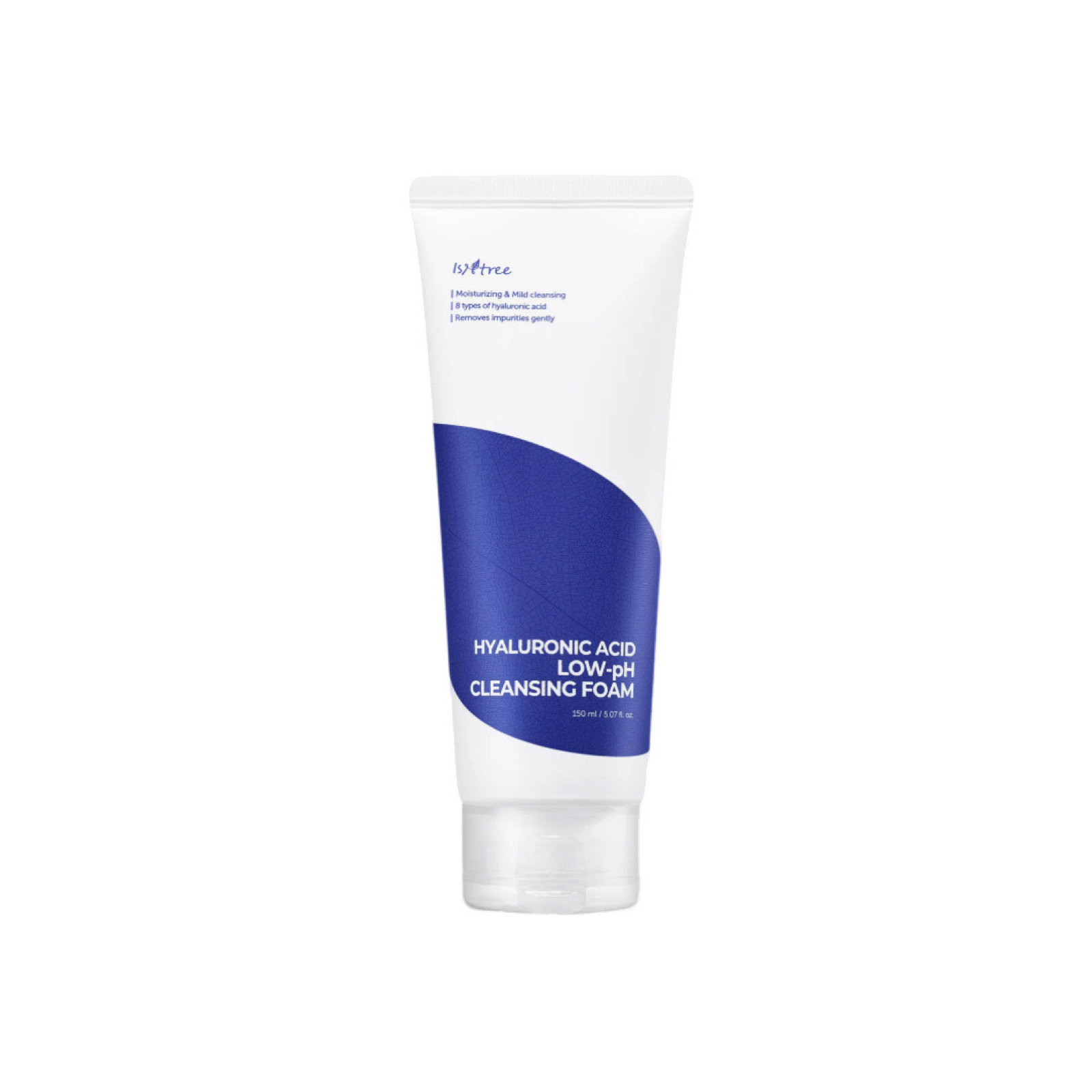
- Gentle cleanser
- Moisturizer
- Sunscreen (during the day)
Once your skin heals, you can slowly reintroduce other products.
3. Be Gentle When Drying Your Face
After cleansing, pat your skin dry with a soft towel instead of rubbing. Rubbing can irritate already sensitive skin and cause more flaking.
4. Avoid Makeup Until Your Skin Heals
It’s tempting to cover up peeling skin with foundation or concealer, but doing so can clog pores and worsen the peeling. Makeup can also emphasize flakes, making your skin look even drier.
If you must wear makeup, choose a hydrating formula and always moisturize first.
5. Stay Hydrated
Dehydration affects your skin as much as it affects your body. Drinking enough water each day helps maintain your skin’s natural moisture balance and elasticity.
If you live in a dry climate or spend a lot of time indoors with heating or air conditioning, you might need extra hydration to prevent peeling.
6. Use Aloe Vera or Soothing Gels
Aloe vera is one of nature’s best remedies for irritated skin. It helps cool, hydrate, and reduce inflammation. Apply a thin layer to affected areas once or twice a day until your skin improves.
Make sure to choose a pure aloe gel without added alcohol or artificial fragrance.
7. Avoid Hot Water
Hot showers and face washing can strip your skin of its natural oils, leading to more dryness. Always use lukewarm water when cleansing or rinsing your face.
8. Protect Your Skin from the Sun
If your skin is peeling, it’s extra sensitive to UV rays. Always wear sunscreen with SPF 30 or higher, even if you’re indoors or it’s cloudy.
Sun damage is one of the biggest causes of long-term peeling and irritation, so daily protection is a must.
9. Try a Humidifier
Dry air can make your skin lose moisture quickly, especially during the winter months. A humidifier adds moisture back into the air, helping your skin stay hydrated and soft.
10. Avoid Picking or Peeling the Skin
It can be tempting to peel off the flaky parts, but doing so can damage your skin and lead to dark spots or scarring. Let the skin shed naturally, it will heal much faster that way.
11. Use Cortisone or Anti-Inflammatory Creams (If Needed)
If the peeling is caused by inflammation or a skin condition like eczema, a mild hydrocortisone cream may help. However, it’s best to check with a doctor before using any new medicated product on your face.
When to See a Doctor
In most cases, peeling skin on your face will heal within a few days to a week with proper care.
However, you should see a doctor or dermatologist if you notice:
- Peeling that doesn’t stop after a week
- Severe redness, swelling, or pain
- Blistering or oozing skin
- Fever, dizziness, or fatigue
- Peeling that recurs frequently
These signs may point to an infection, allergic reaction, or chronic condition that needs medical attention.
Preventing Peeling Skin in the Future
Prevention is always easier than treatment. Here are some ways to avoid peeling skin after skincare:
- Patch test new products: Always test a small amount on your arm before applying it to your face.
- Moisturize daily: Even oily skin types need hydration.
- Avoid over-cleansing: Washing too often removes natural oils your skin needs.
- Use sunscreen every day: UV damage is one of the biggest culprits of peeling.
- Introduce active ingredients slowly: Retinoids, vitamin C, and exfoliating acids can be powerful—start small and build up gradually.
The Bottom Line
If you’ve been asking yourself, “Why is my skin peeling on my face after skincare?”, remember, it’s your skin’s way of signaling that something’s not quite right. Whether it’s dryness, irritation, or an underlying condition, the key is to treat your skin gently and give it the care it needs to heal.
Peeling skin doesn’t have to be permanent. With a few simple adjustments, like using milder products, moisturizing regularly, and protecting your skin from the sun, you can restore your face to its healthy, glowing best.
Be patient with your skin. It’s resilient, and with the right care, it will bounce back beautifully.