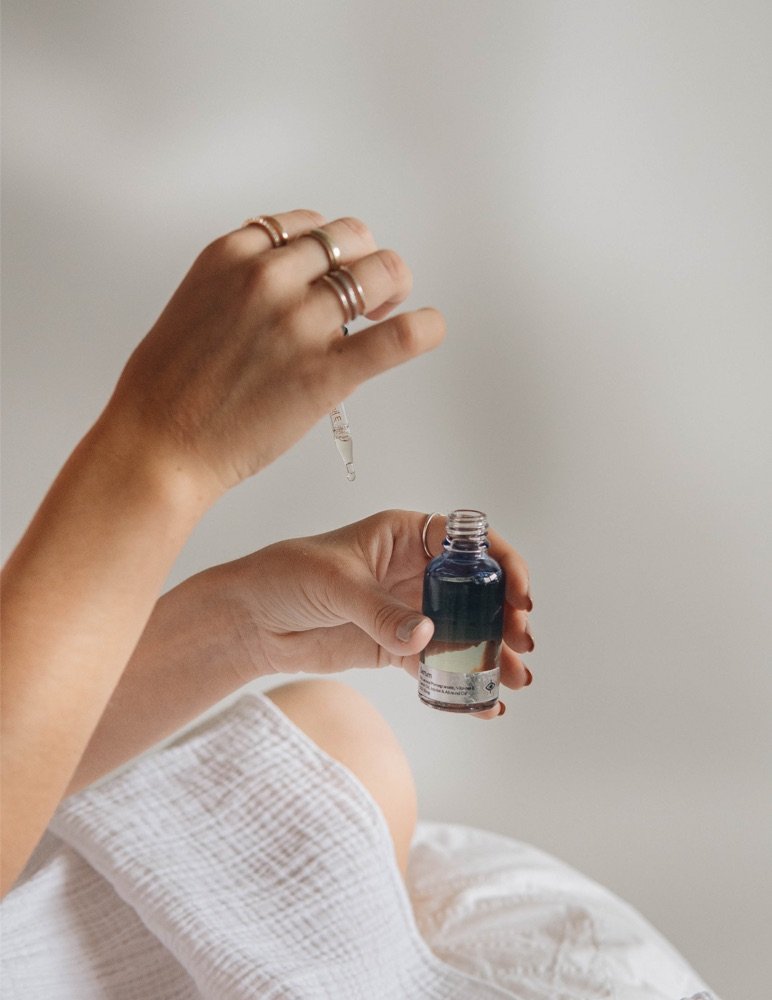
Have you ever opened a serum or cream in your bathroom and wondered, “How long does skincare last?” It’s a question many skincare lovers ask, especially if they’ve got a collection that has grown over the years. While it’s tempting to hold onto that fancy moisturizer or that splurgy serum “just in case,” the truth is that every product has a shelf life. Using skincare past its prime isn’t just a waste of money; it can also affect your skin, causing irritation, breakouts, or reduced results.
In this guide, we’ll break down how long common skincare products last, what factors influence their longevity, how to spot expired products, and tips for keeping your serums, creams, and other favorites in tip-top condition.
Why Shelf Life Matters for Skincare
Many people focus on ingredients, effectiveness, and whether a product suits their skin type—but shelf life is just as important. Using expired products can mean:
- Reduced effectiveness: Active ingredients like Vitamin C or retinol can lose potency over time.
- Skin irritation: Old products can harbor bacteria or mold that may trigger rashes, redness, or breakouts.
- Wasted money: A product that doesn’t work anymore is essentially useless.
Even unopened products won’t last forever. While some items may stay effective for years if stored properly, most have a limited lifespan that depends on ingredients, packaging, and storage conditions. Understanding this can save you from potential skin problems and help you get the most out of every product.
Factors That Affect How Long Skincare Lasts
Not all products expire at the same rate. Here are the main factors that determine how long skincare lasts:
1. Ingredients Matter
Some ingredients are naturally more stable than others. Synthetic formulas often last longer, while natural products with plant extracts or essential oils can spoil faster. Products with active ingredients like Vitamin C, niacinamide, or retinol degrade more quickly, especially when exposed to light and air.
2. Packaging Plays a Role
The way a product is packaged affects its shelf life. Pump bottles, tubes, or sealed containers protect the formula from air and bacteria, keeping it fresh longer. Open jars or wide-mouth containers, on the other hand, are more prone to contamination, which shortens their lifespan.
3. Storage Conditions
Heat, humidity, and sunlight are your skincare products’ worst enemies. Storing creams or serums in a hot, humid bathroom can cause ingredients to break down faster. Ideally, keep your products in a cool, dry, and dark place, like a bedroom cabinet or a dedicated skincare fridge.
4. Preservatives
Products with preservatives last longer because these ingredients prevent bacteria, yeast, and mold from growing. Preservative-free or organic products spoil more quickly, so they need extra care and should be used sooner after opening.
5. Opening Time
A product’s shelf life usually refers to its unopened state. Once opened, exposure to air, light, and your fingers accelerates degradation. Many products include a “period after opening” (PAO) symbol, like 6M or 12M, indicating how long you should use it after first opening.
Typical Shelf Life of Common Skincare Products
Now that we understand the factors affecting skincare longevity, let’s look at how long different types of products usually last.
1. Serums
Serums often contain high concentrations of active ingredients, which makes them sensitive to air and light. Once opened, most serums last 6 to 12 months. If a serum changes color, separates, or smells off, it’s time to toss it, even if it’s within that timeframe.
2. Creams and Lotions
Because creams and lotions contain a lot of water, they are prone to bacterial contamination. Opened creams and lotions usually remain effective for 6 to 12 months, while unopened jars can last up to 2–3 years if stored properly.
3. Sunscreens
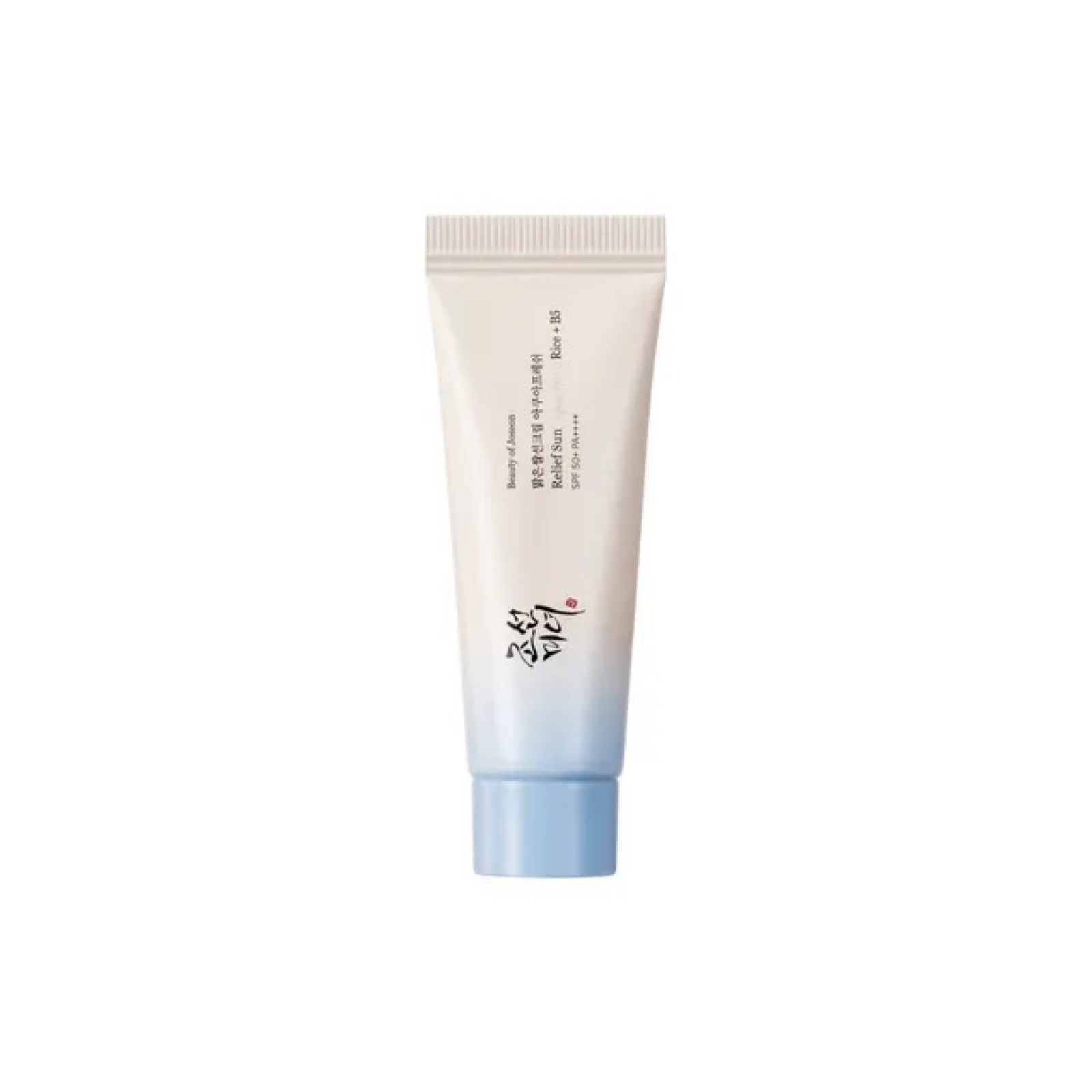
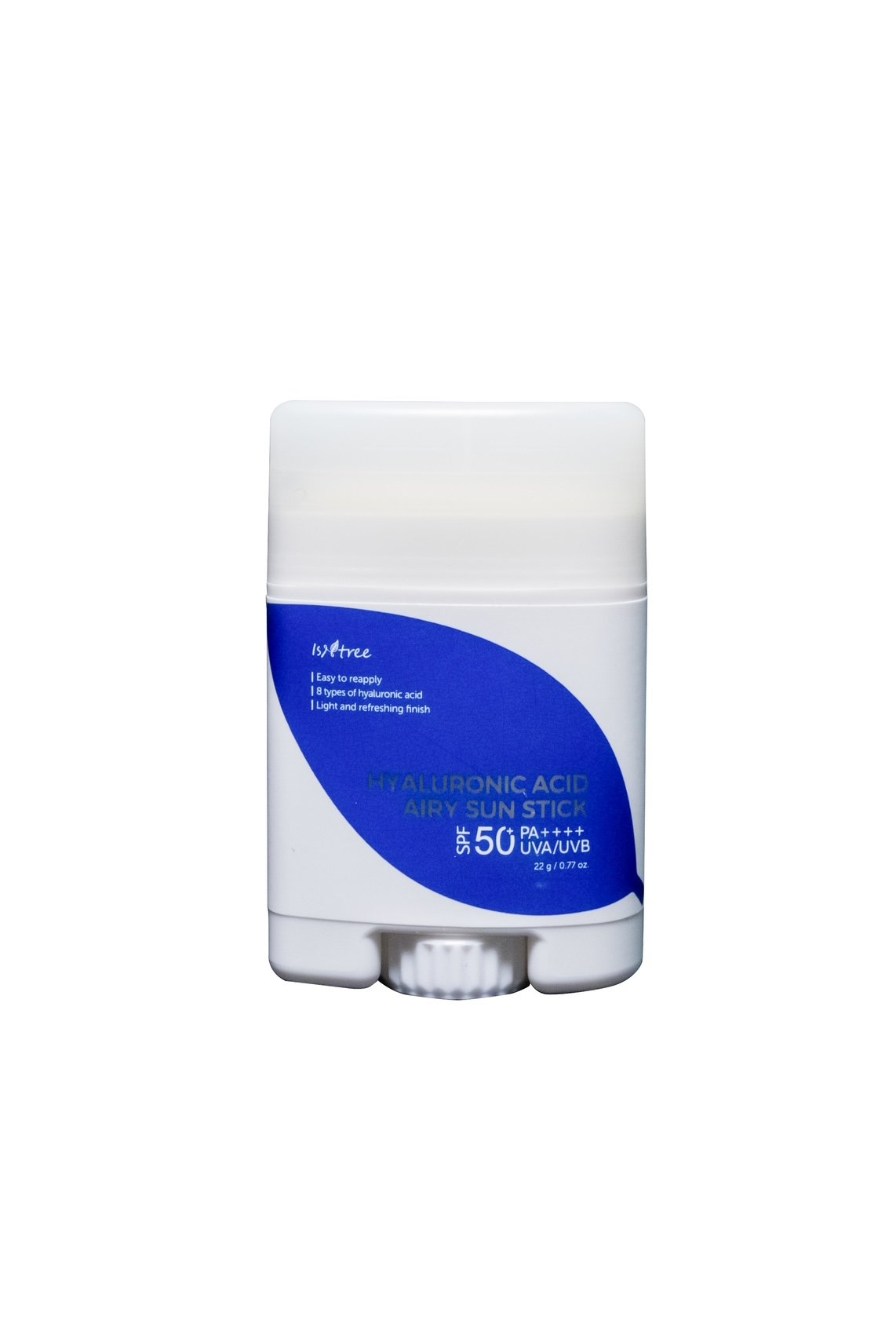
Sunscreen is one of the most important products in your routine, but its active ingredients can degrade over time. Unopened sunscreens typically last 2–3 years, while opened bottles should be used within 6–12 months. Using expired sunscreen can mean reduced protection against UV rays, which can harm your skin.
4. Face Masks
Single-use masks are meant to be used once and then discarded. Jar or cream masks can last 6–12 months once opened, depending on ingredients. Masks with active components like brightening agents or anti-aging compounds may last only 3–6 months after opening.
5. Eye Creams
The delicate skin around the eyes makes it especially sensitive to old or contaminated products. Eye creams generally last 6–12 months after opening. Using a compromised eye cream can cause irritation or puffiness.
6. Cleansers
Cleansers are generally more stable than moisturizers or serums. Unopened cleansers can last 1–2 years, but opened products should ideally be used within a shorter period, typically 6–12 months.
How to Tell If Skincare Has Expired
Even if a product isn’t past its official expiration date, it’s important to pay attention to visual and sensory cues. Signs a product has gone bad include:
- Color changes: Creams may turn yellow, serums may darken, or masks may develop unusual shades.
- Texture changes: Separation, clumping, or a slimy feel indicate a compromised formula.
- Smell: A sour, rancid, or off odor is a clear warning.
- Mold: Black, green, or blue spots mean it’s time to throw it out immediately.
If in doubt, it’s always safer to discard the product. Your skin will thank you!

Tips for Extending the Shelf Life of Skincare
While products naturally expire, there are several simple ways to keep them fresh longer.
1. Store Products Properly
- Avoid sunlight: UV light breaks down active ingredients.
- Keep cool and dry: Excess heat and humidity accelerate spoilage.
- Don’t store in bathrooms: The temperature and moisture fluctuations can damage products.
2. Use Clean Tools
Every time you dip your fingers into a jar, you introduce bacteria. Use a spatula or a small spoon to scoop out product instead of your fingers.
3. Limit Exposure to Air
Pump bottles, tubes, and air-tight containers help protect your products from oxidation. Avoid leaving lids open or products partially exposed.
4. Track When You Open Products
Consider labeling products with the date you opened them. This makes it easier to track their period after opening and prevents accidentally using old products.
5. Pay Attention to Product Type
- High-water products like creams, lotions, and masks spoil faster.
- Active ingredients like Vitamin C, retinol, and acids are unstable and require careful storage.
- Single-use items like ampoules should be used immediately and discarded after one application.
Quick Reference: How Long Common Products Last
Product Type | Unopened Shelf Life | Opened Shelf Life |
Serums | 1–3 years | 6–12 months |
Creams & Lotions | 2–3 years | 6–12 months |
Sunscreen | 2–3 years | 6–12 months |
Face Masks | 1–2 years | 3–12 months |
Eye Creams | 1–2 years | 6–12 months |
Cleansers | 1–2 years | 6–12 months |
The Risks of Using Expired Skincare
Holding onto skincare past its prime isn’t just ineffective—it can also harm your skin. Possible issues include:
- Irritation and rashes: Bacteria can thrive in old products, especially in humid environments.
- Breakouts: Contaminated creams, lotions, or serums may trigger acne.
- Reduced effectiveness: Active ingredients lose potency, meaning your anti-aging or brightening products won’t deliver the intended results.
Even if a product smells fine, has no visible mold, and appears normal, it may still have lost its effectiveness. When it comes to skincare, it’s better to err on the side of caution.
Final Thoughts: Keep Your Skincare Fresh
Understanding how long skincare lasts is essential for maintaining healthy, glowing skin. While it can be hard to part with a favorite serum or expensive cream, keeping old products around can compromise your skin’s health and waste your investment.
Here are the key takeaways:
- Check expiration dates and PAO symbols on all products.
- Store products in cool, dry, dark places away from humidity and sunlight.
- Use air-tight containers and tools to reduce contamination.
- Pay attention to changes in smell, color, texture, or separation.
- Label products with the opening date to keep track of their shelf life.
By following these simple tips, you can ensure your serums, creams, sunscreens, and masks remain effective, safe, and ready to help your skin look its best. Remember, no matter how much you love a product, nothing lasts forever—so when in doubt, throw it out. Your skin will thank you.