Modern life moves fast, and stress often comes along for the ride. Between work demands, personal responsibilities, and constant digital stimulation, it’s no surprise that many of us feel overwhelmed. Unfortunately, that stress doesn’t stay hidden; it often shows up right on our faces. If you’ve been wondering how to get rid of stress, looking for face concerns, and restore a fresh, healthy glow, you’re not alone.
Stress affects far more than your mood. It triggers biological responses in the body that directly impact skin health, accelerating aging, dullness, breakouts, and fatigue-related changes. The good news? With the right combination of stress management, lifestyle adjustments, and skincare strategies, you can reverse many of these visible effects and look refreshed again.
This guide breaks down exactly how stress impacts your skin and, more importantly, what you can do to reclaim a healthier, more youthful-looking complexion.
Understanding the Connection Between Stress and Your Skin
Before learning how to get rid of stress looking face, it’s important to understand why stress affects the skin so dramatically.
The skin and brain are deeply connected. When you experience stress, your body releases hormones such as cortisol and adrenaline as part of its natural survival response. While helpful in short bursts, prolonged stress keeps these hormones elevated—and that’s when skin problems begin.
Chronic stress turns the skin into both a target and a source of stress hormones, creating a cycle that accelerates visible aging and skin imbalance.
What Happens to Your Skin When You’re Stressed?
Stress doesn’t affect just one aspect of the skin; it disrupts multiple systems at once. Over time, this leads to the classic “stress-looking face.”
1. Skin Barrier Disruption
One of the first casualties of chronic stress is the skin barrier. Stress hormones weaken the skin’s ability to retain moisture and defend itself from environmental aggressors.
This results in:
- Dehydration and tightness
- Increased sensitivity
- Slower healing
- Fine lines becoming more noticeable
When the barrier is compromised, the skin appears dull, tired, and less resilient.
2. Breakdown of Collagen and Elastin
Elevated cortisol levels interfere with the production of collagen and elastin—two proteins responsible for firmness, elasticity, and youthful bounce.
Over time, this leads to:
- Sagging skin
- Loss of firmness
- More visible wrinkles and fine lines
This breakdown is one of the main reasons stress can make your face look older than it should.
3. Increased Oil Production and Breakouts
Stress can also send oil production into overdrive. Higher cortisol levels stimulate the sebaceous glands, leading to excess sebum.
This can cause:
- Clogged pores
- Acne and blemishes
- Inflammation and redness
Ironically, stressed skin can feel both oily and dehydrated at the same time.
4. Inflammation, Redness, and Sensitivity
Stress triggers inflammatory responses throughout the body, and the skin is no exception. This can worsen existing skin conditions or create new ones.
Common signs include:
- Redness and irritation
- Flare-ups of eczema or rosacea
- Increased skin sensitivity
Inflammation plays a key role in premature aging and uneven skin tone.
5. Fatigue-Related Changes
Stress often disrupts sleep, which directly affects skin regeneration. Lack of quality rest shows up as:
- Dark circles
- Under-eye bags
- Puffiness
- A generally tired appearance
These features are classic indicators of a stress-looking face.
Can Stress Really Age Your Face?
Yes, absolutely. When stress is prolonged, the changes occur at a cellular level. Collagen breakdown, impaired barrier function, inflammation, and dehydration all work together to accelerate aging.
The result is skin that looks:
- Older
- Duller
- Less firm
- More uneven
Understanding this connection is the first step in learning how to get rid of stress looking face concerns effectively.
How to Get Rid of Stress Looking Face: Start From Within
True skin transformation begins by addressing stress itself. Skincare alone can help, but managing stress at its source delivers the most noticeable and lasting results.
Lifestyle Changes That Help Reverse a Stress-Looking Face
1. Practice Mindfulness and Relaxation
Activities like meditation, deep breathing, and mindfulness help lower stress hormone levels. Even a few minutes a day can calm the nervous system and reduce inflammation in the skin.
These practices support:
- Hormonal balance
- Reduced redness and irritation
- Improved overall skin resilience
2. Stay Physically Active
Exercise is a powerful stress reliever. It helps release endorphins, improves circulation, and supports oxygen delivery to the skin.
Benefits for your face include:
- Brighter complexion
- Better nutrient delivery to skin cells
- Reduced tension in facial muscles
3. Prioritize Quality Sleep
Sleep is when your skin repairs and regenerates itself. Chronic stress often interferes with rest, making it harder for the skin to recover.
Improving sleep supports:
- Reduced dark circles and puffiness
- Improved skin tone
- Faster cellular renewal
4. Maintain Healthy Lifestyle Habits
Choices around diet, hydration, smoking, alcohol, and caffeine all influence how stress affects your skin.
Healthy habits help:
- Reduce inflammation
- Support collagen production
- Improve hydration and elasticity
5. Seek Emotional Support
Talking to friends, family, or healthcare professionals can significantly reduce emotional stress. Emotional relief often translates into visible skin improvements.
Skincare Strategies to Look Refreshed Again
Once stress is better managed, skincare becomes a powerful ally in restoring a youthful, refreshed appearance.
Maintain a Consistent Skincare Routine
A regular skincare routine helps protect the skin barrier, support regeneration, and counteract stress-related damage.
A good routine focuses on:
- Hydration
- Protection
- Repair
Consistency is more important than complexity.
Hydration Is Essential for Stressed Skin
Stressed skin is often dehydrated, even if it produces excess oil. Proper hydration helps restore balance and plumpness.
Hydrated skin looks:
- Smoother
- Brighter
- More resilient
Hydration supports the skin barrier and minimizes the appearance of fine lines.
Use Ingredients That Support Cellular Renewal
Certain skincare ingredients are especially beneficial for stressed skin because they support regeneration and firmness.
Key benefits include:
- Improved elasticity
- Enhanced skin texture
- Reduced visible aging
These ingredients help counteract collagen and elastin breakdown caused by stress.
Gentle Exfoliation for a Healthier Glow
Removing dead skin cells helps restore brightness and smoothness, but stressed skin requires a gentle approach.
Gentle exfoliation helps:
- Improve dullness
- Support cell turnover
- Enhance product absorption
Overdoing it can worsen irritation, so moderation is key.
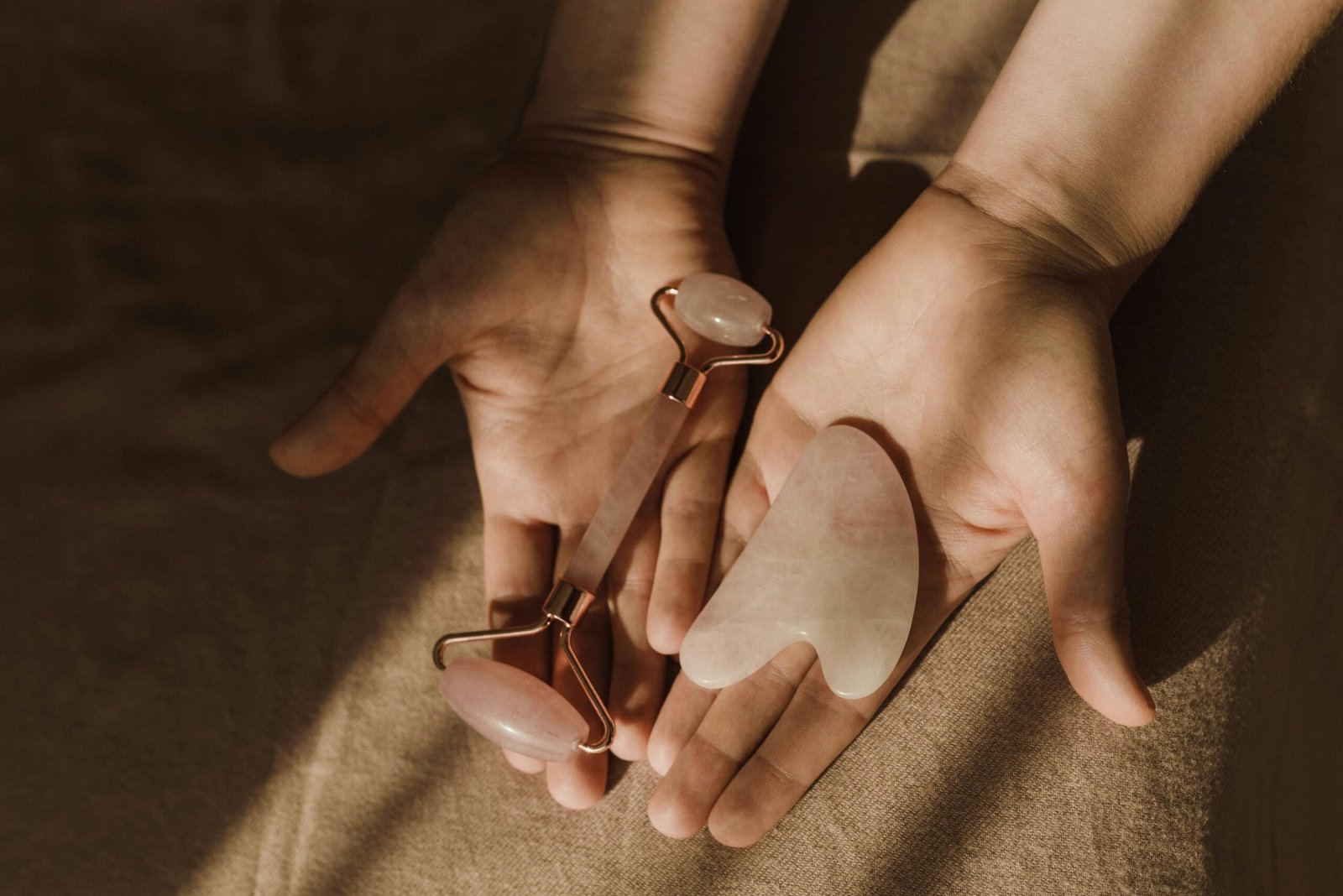
Facial Massage and Relaxation Techniques
Facial massage reduces muscle tension, improves circulation, and promotes lymphatic drainage.
Benefits include:
- Reduced puffiness
- More relaxed facial features
- Improved skin tone
This is one of the simplest ways to visibly reduce facial tension caused by stress.
Support Skin Health From Within
Skin health isn’t only about what you apply; it’s also about internal support.
Nutrients that support inflammation management, hydration, and stress management can help improve skin appearance and resilience.
Internal support helps:
- Strengthen skin structure
- Improve hydration
- Reduce inflammation linked to stress
How to Get Rid of Stress Looking Face: A Holistic Approach
The most effective way to reverse a stress-looking face is by combining:
- Stress management
- Healthy lifestyle habits
- Consistent skincare
- Internal wellness support
Each piece works together to restore balance at both a cellular and visible level.

From Stressed to Refreshed: Your Skin Can Recover
Stress is a natural part of life, and experiencing it doesn’t mean your skin is permanently damaged. When you actively support your wellbeing and skin, many stress-related changes can be reversed.
Learning how to get rid of stress, looking face concerns is ultimately about balance, supporting your body, calming your mind, and nurturing your skin.
When stress is managed and the skin is properly cared for, the results go beyond appearance. You don’t just look refreshed, you feel it too.