If you’ve ever wondered, ” Should I dermaplane before or after skincare, you’re not alone. Dermaplaning has quickly become one of the most popular ways to achieve smoother, brighter skin, but knowing exactly where it fits into your routine can make all the difference. The order matters.
Done correctly, dermaplaning can enhance product absorption, improve texture, and create that radiant glow everyone wants. Done incorrectly, it can lead to irritation, sensitivity, or reduced results.
In this dermatologist-informed guide, we’ll break down exactly when to dermaplane, how to incorporate it into your skincare routine, and how to maximize its benefits while protecting your skin barrier.
What Is Dermaplaning and Why Is It So Popular?
Dermaplaning is a non-invasive exfoliation treatment that uses a sterile surgical scalpel to gently remove dead skin cells and fine vellus hair (often called “peach fuzz”) from the skin’s surface. The blade is typically held at a 45-degree angle and moved in light, controlled strokes across clean, dry skin.
Unlike chemical exfoliants or abrasive scrubs, dermaplaning is a manual exfoliation method. It does not involve harsh acids, heat, or invasive techniques. That’s one reason it’s widely considered suitable for many skin types when performed correctly.
Why People Love Dermaplaning
Based on clinical practice and professional treatment summaries, dermaplaning offers several noticeable benefits:
- Instantly smoother skin
- Brighter, more radiant complexion
- Improved makeup application
- Enhanced absorption of skincare products
- Reduced appearance of fine lines
- Temporary removal of peach fuzz
- No downtime in most cases
The glow you see after dermaplaning isn’t just hype; it’s the result of removing the dull outer layer of dead skin cells that can block light reflection.
But that brings us back to the big question:
Should I Dermaplane Before or After Skincare?
The short, dermatologist-backed answer is:
You should dermaplane before applying skincare products.
Dermaplaning is an exfoliation step. And exfoliation should always come after cleansing but before serums, moisturizers, or sunscreen.
Let’s break down why.
Why Dermaplaning Comes Before Skincare Products
1. Dermaplaning Removes the Barrier
Dead skin cells and fine hair create a physical barrier on your skin’s surface. If you apply skincare first and dermaplane afterward, you’re essentially scraping off the products you just applied, along with their benefits.
By dermaplaning first, you:
- Remove buildup
- Create a clean surface
- Allow active ingredients to penetrate more effectively
This is one of the main reasons dermaplaning is known to enhance product absorption.
2. Skincare Works Better on Freshly Exfoliated Skin
After dermaplaning, your skin is primed. Without the barrier of dead cells, serums and moisturizers can reach the upper layers more efficiently.
This can improve:
- Hydration levels
- Barrier repair
- Brightness
- Overall texture
Applying products after dermaplaning maximizes your skincare investment.
3. Applying Products Before Dermaplaning Can Increase Irritation
Dermatologists generally recommend dermaplaning on clean, dry skin. Applying serums or creams beforehand can:
- Make the blade slip
- Increase friction
- Potentially cause nicks or uneven exfoliation
- Lead to product-driven irritation
Clean skin = safer exfoliation.
The Correct Order: Step-by-Step Routine
If you’re asking, should I dermaplane before or after skincare, here’s the ideal routine order:
Step 1: Cleanse Thoroughly
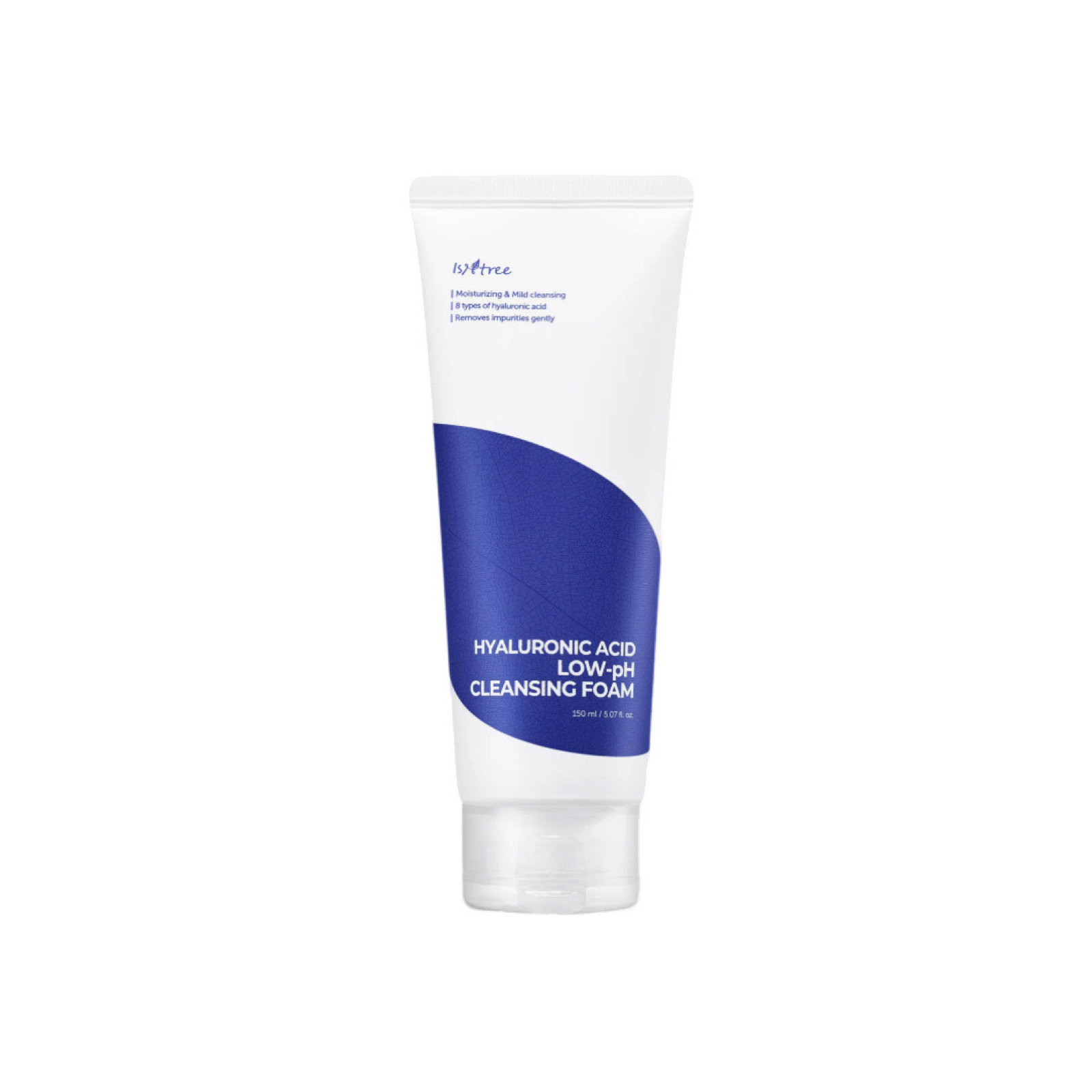
Use a gentle cleanser to remove makeup, oil, and debris. Skin should be clean and completely dry before dermaplaning.
Step 2: Dermaplane
Using light pressure and short strokes at a 45-degree angle, gently exfoliate the surface. Avoid active breakouts, irritated areas, or open lesions.
Step 3: Soothe and Hydrate
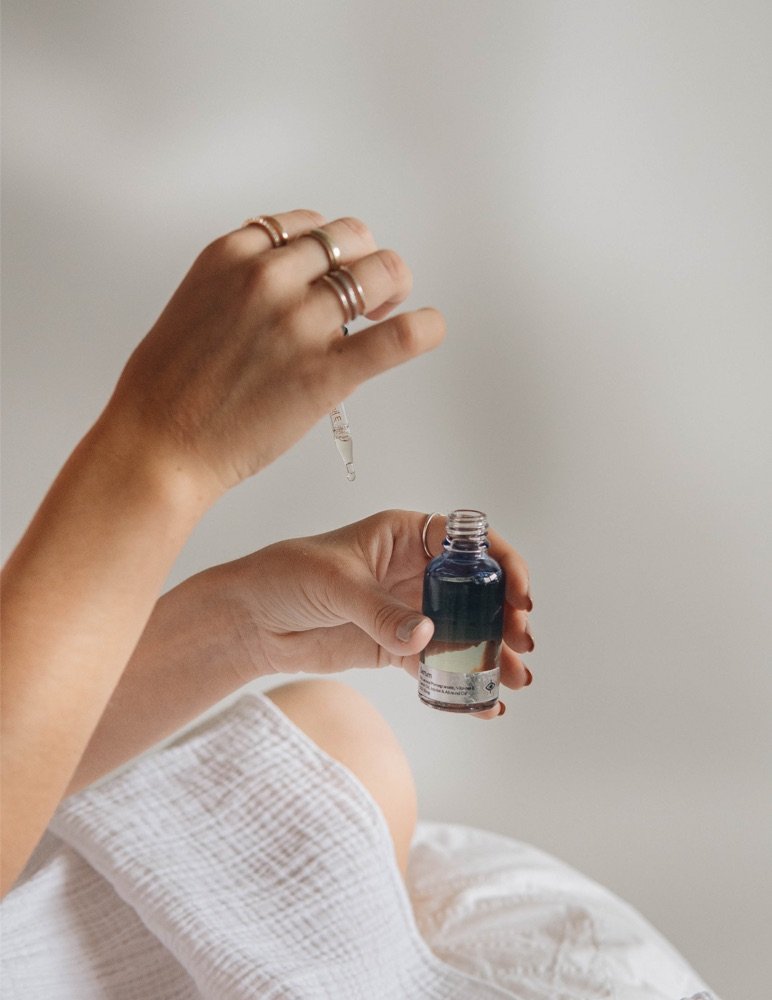
Apply a calming, hydrating serum or barrier-repair product. This is when your skin is most receptive.
Step 4: Moisturize
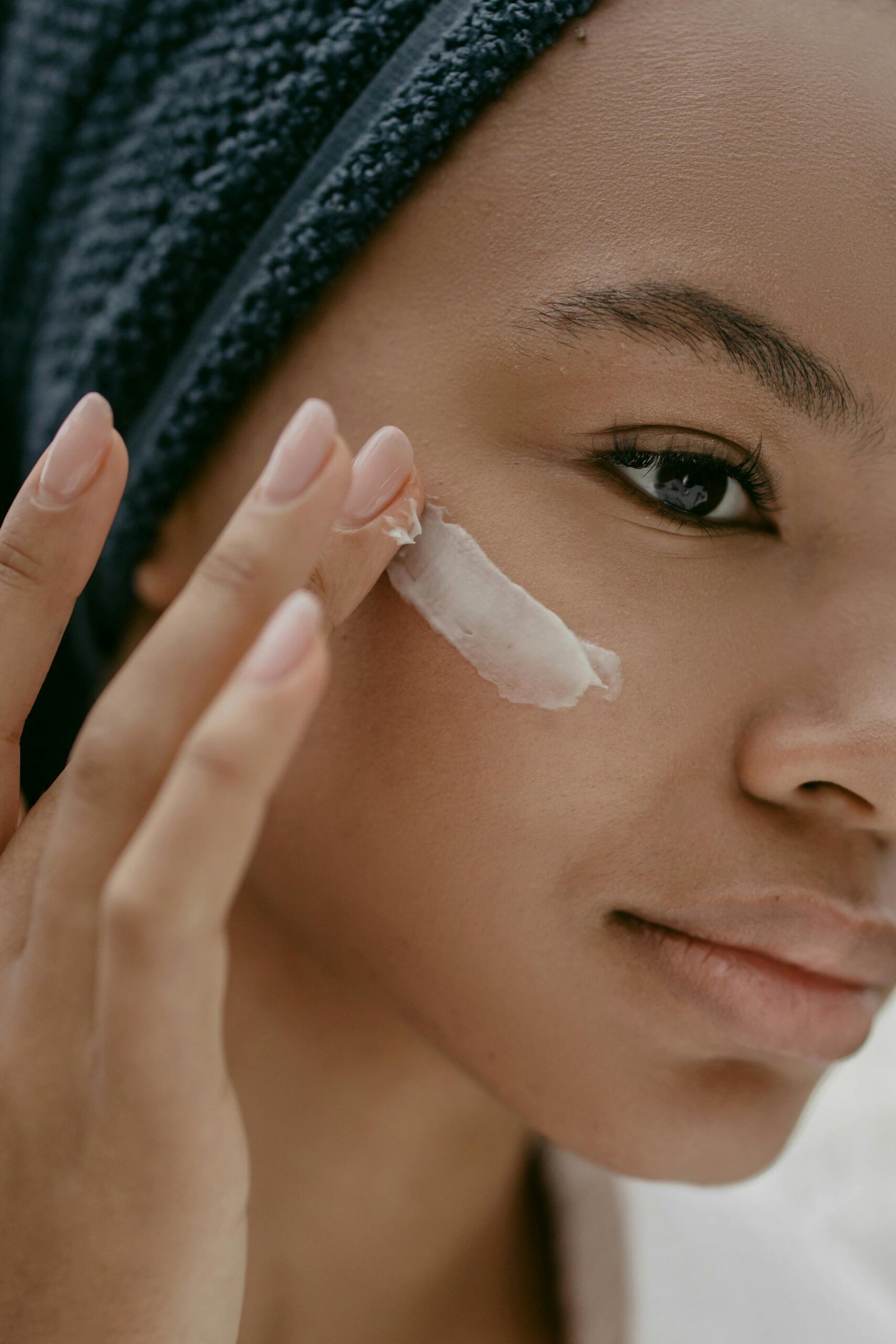
Lock in hydration with a gentle moisturizer.
Step 5: Sunscreen (Morning Only)
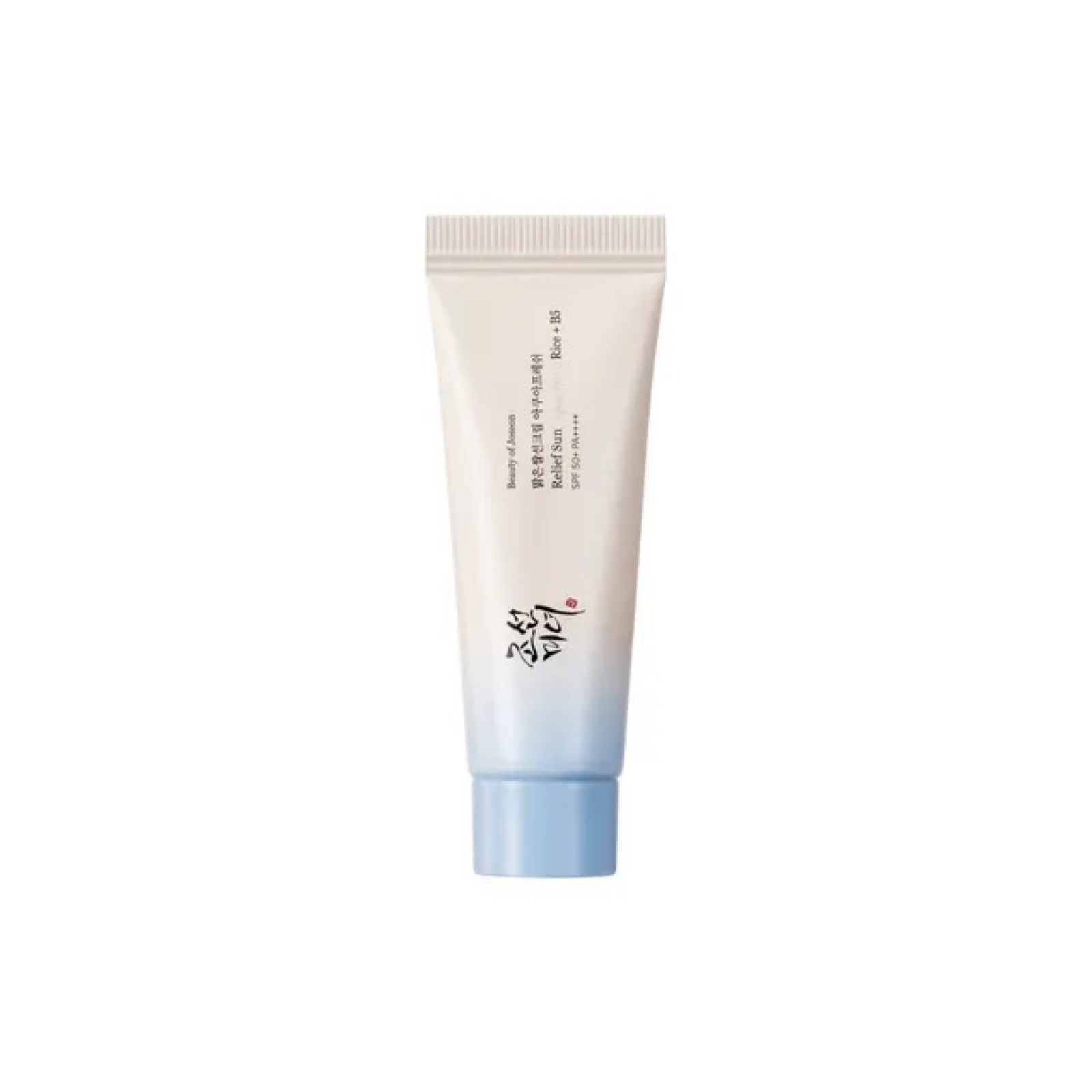
Freshly exfoliated skin is more sensitive to UV exposure. Daily SPF is non-negotiable.
Should I Dermaplane Before or After Skincare at Night?
Nighttime is generally the best time to dermaplane.
Why?
- Your skin can recover overnight.
- You avoid immediate sun exposure.
- You can apply nourishing serums and moisturizers afterward.
- There’s less environmental stress on freshly exfoliated skin.
If you’re dermaplaning in the morning, sunscreen becomes even more critical.
What Not to Use Immediately After Dermaplaning
Because dermaplaning removes the outermost layer of dead skin cells, your skin is temporarily more sensitive.
Avoid for 3–7 days:
- Retinol
- Alpha hydroxy acids (AHAs)
- Beta hydroxy acids (BHAs)
- Strong exfoliants
- Harsh scrubs
- Fragrance-heavy products
Instead, focus on:
- Gentle cleansers
- Hydrating serums
- Barrier-supporting moisturizers
- Broad-spectrum SPF
Think hydration and protection, not correction.
Professional vs. DIY: Does the Order Change?
Whether you’re seeing a licensed aesthetician or dermaplaning at home, the order remains the same:
Cleanse → Dermaplane → Hydrate → Protect
However, there are differences worth noting.
Professional Dermaplaning
Performed by trained professionals, this option offers:
- Precision technique
- Sterile tools
- Customized pressure
- Personalized aftercare
Professionals also assess your skin beforehand to ensure suitability, especially if you have eczema, rosacea, or active acne.
DIY Dermaplaning
If done at home:
- Use a tool designed for facial use
- Work on clean, dry skin
- Use light pressure
- Avoid inflamed or acne-prone areas
- Disinfect tools before and after use
Even with at-home dermaplaning, the answer to should I dermaplane before or after skincare remains the same: always before.
How Often Should You Dermaplane?
Most dermatology professionals recommend dermaplaning every 3–4 weeks.
Why?
Your skin naturally regenerates roughly every 28 days. Dermaplaning too frequently can:
- Over-exfoliate
- Compromising your skin barrier
- Increase sensitivity
Spacing treatments appropriately helps maintain a glow without irritation.
Does Dermaplaning Make Hair Grow Back Thicker?
This is one of the most common myths.
No, dermaplaning does not change the thickness, color, or growth rate of hair. It removes fine vellus hair at the surface. When it grows back, it feels the same as before.
This myth often contributes to confusion about routine timing—but it does not affect whether you dermaplane before or after skincare.
Can Dermaplaning Help With Acne Scars?
Dermaplaning does not treat active acne. However, it can:
- Improve skin texture
- Minimize the appearance of shallow acne scars
- Reduce clogged pores
- Create a smoother surface
If you have active breakouts, consult a professional before dermaplaning.
Why Skincare Feels More Effective After Dermaplaning
Many people notice their products “work better” after dermaplaning. Here’s why:
- Dead skin cells no longer block absorption
- Fine hairs that trap dirt and oil are removed
- The surface becomes smoother and more even
This improved absorption is precisely why the timing matters so much.
If you apply serums first and dermaplane after, you lose those benefits.
Common Mistakes to Avoid
If you’re still unsure about whether to dermaplane before or after skincare, avoid these mistakes:
Dermaplaning Over Makeup
Always cleanse first.
Applying Oil Before Dermaplaning
Slippery skin increases the risk of cuts.
Using Retinol Immediately After
Freshly exfoliated skin needs calming ingredients, not actives.
Skipping Sunscreen
UV damage risk increases post-exfoliation.
Who Should Avoid Dermaplaning?
While generally safe, dermaplaning may not be ideal if you have:
- Active acne
- Open wounds
- Severe rosacea
- Certain inflammatory skin conditions
A professional consultation is recommended if you’re unsure.
The Bottom Line: Should I Dermaplane Before or After Skincare?
Here’s the clear, dermatologist-backed conclusion:
Dermaplane after cleansing and before applying skincare products.
Dermaplaning is an exfoliation step, not a finishing step.
When done in the correct order, it:
- Enhances product absorption
- Improves texture
- Boosts radiance
- Creates a flawless makeup base
- Supports smoother skin long-term
When done in the wrong order, it can waste product and increase irritation
Final Takeaway
If you’ve been asking, should I dermaplane before or after skincare, now you know: cleanse first, dermaplane second, then apply hydrating and protective products.
Dermaplaning is more than just removing peach fuzz; it’s about creating the ideal foundation for everything that follows. When integrated correctly into your routine, it can elevate your entire skincare regimen.
Glowing, smoother skin isn’t just about what you use; it’s about how and when you use it.
And now, you’re equipped with the right order to make it work.