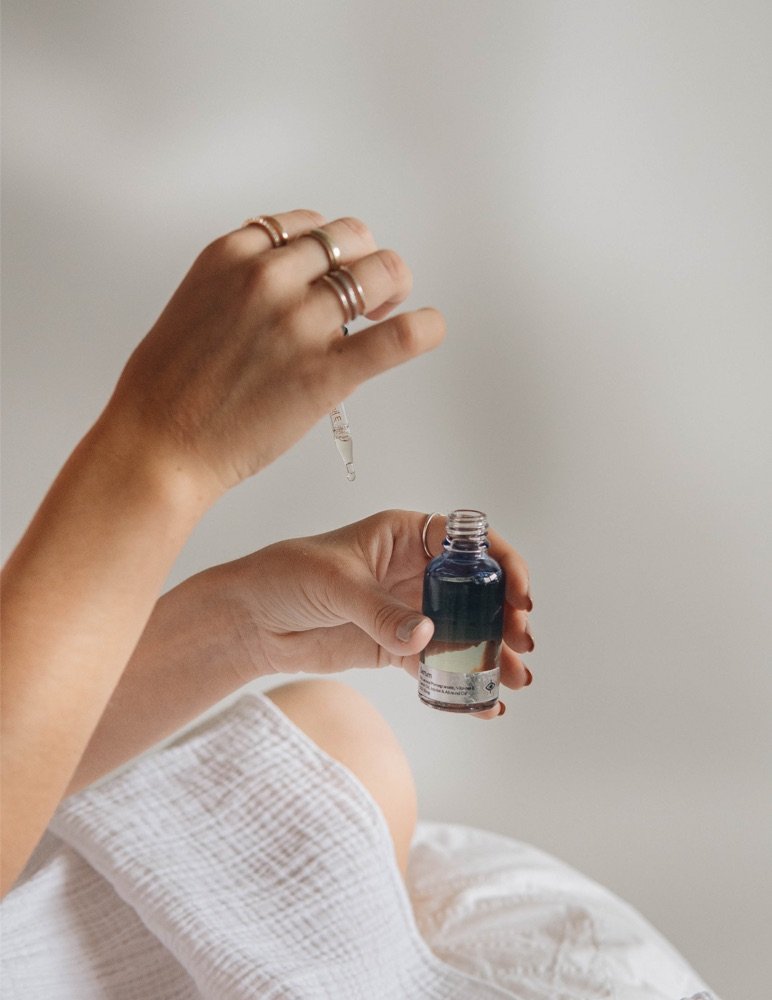
Healthy, glowing skin is more than just the products you use; it’s also about when you use them. Many of us follow a routine without considering the timing of our skincare, but aligning our regimen with our skin’s natural rhythms can significantly boost results.
So, when’s the best time to do skincare? According to dermatologists and skincare experts, timing is just as important as product choice.
Let’s explore the science behind skincare timing, step-by-step routines, and tips to get the most radiant, healthy-looking skin.
Understanding Your Skin’s Natural Clock
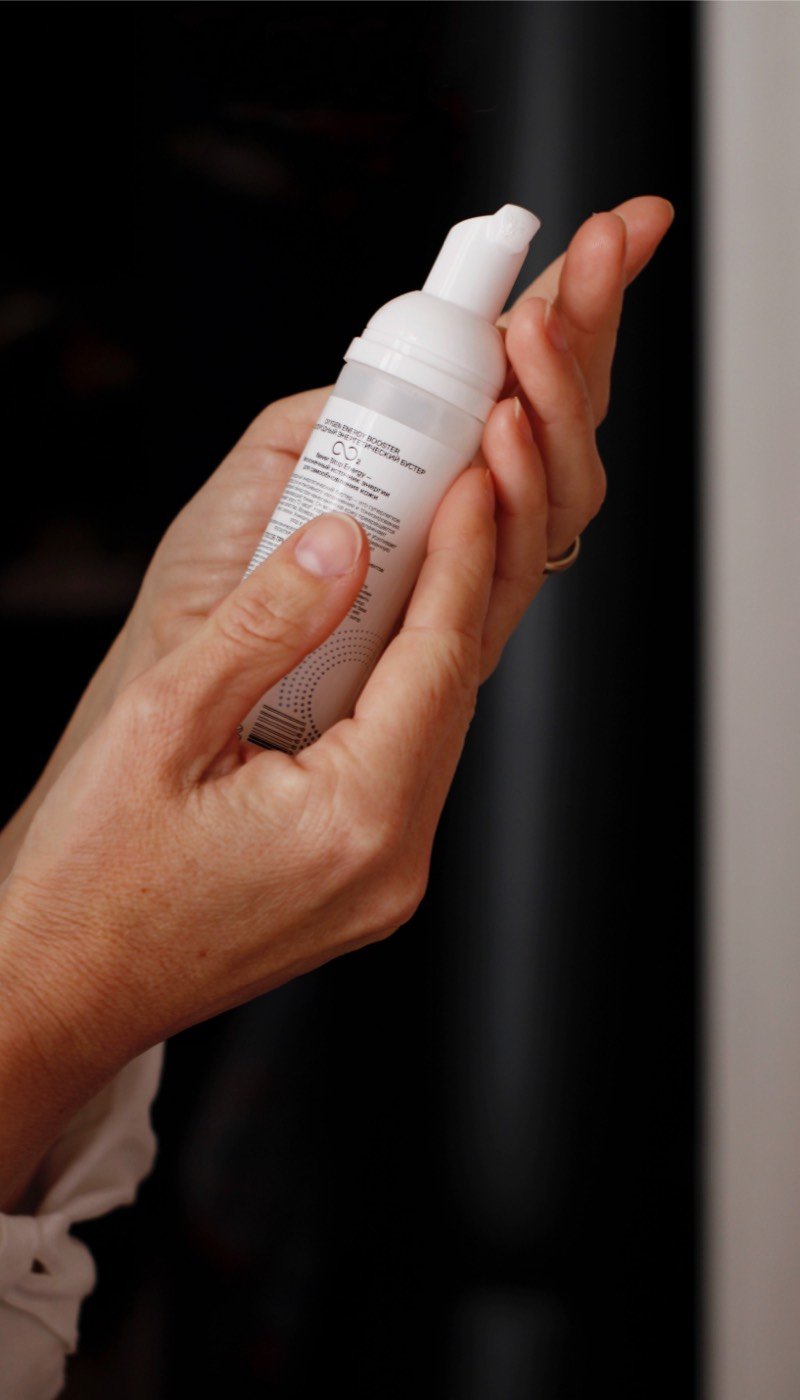
Our skin is a living, dynamic organ with its own circadian rhythm, or biological clock. Just like the rest of your body, skin has periods of activity and repair throughout the day. During daylight hours, your skin is in “protection mode,” defending against environmental stressors such as UV rays, pollution, and toxins. At night, it enters “repair mode,” focusing on cell regeneration, tissue repair, and collagen production.
Knowing when to do skincare means applying products when your skin is most receptive. For instance, antioxidants work best during the day to neutralize free radicals, while retinoids and peptides are more effective at night when your skin can repair itself. Timing your skincare properly can amplify results, making products more efficient and improving overall skin health.
Why Timing Matters in Skincare
Applying products at the right time is not just a “nice-to-have” trick; it’s a critical component of an effective routine. Here’s why timing makes a difference:
- Enhanced Absorption: Skin cells are more receptive to active ingredients at certain times. Products applied when the skin is ready to absorb them penetrate deeper and work more effectively.
- Reduced Sensitivity: Some ingredients, like retinol, can make your skin sun-sensitive. Using them at night minimizes the risk of UV damage.
- Optimized Skin Function: Morning routines support protection, while evening routines support repair and regeneration. Aligning with these natural cycles enhances the performance of your skincare.
By respecting your skin’s natural clock, you’re essentially working with your skin instead of against it, which can result in a brighter, healthier complexion over time.
Morning Skincare: Protection and Prep
When considering when’s the best time to do skincare, the morning is dedicated to defense. Your skin is about to face external stressors such as sunlight, pollution, and daily dirt and grime. A morning routine should prepare your skin to fight these aggressors while keeping it hydrated and radiant throughout the day.
Key Steps for Morning Skincare
- Gentle Cleanser: Removes overnight oils, sweat, and pillow residue without stripping your skin. This prepares a clean canvas for the rest of your routine.
- Hydrating Toner: Helps balance pH levels and provides a light boost of hydration. Ingredients like aloe vera or rose water work well for refreshing the skin.
- Antioxidant Serum: Vitamins C and E, niacinamide, or ferulic acid protect against free radicals, pollution, and UV-induced damage, keeping your skin radiant and healthy.
- Moisturizer: Lightweight, non-greasy moisturizers with ingredients like hyaluronic acid lock in hydration and provide a smooth base for makeup application.
- Sunscreen: SPF is non-negotiable. Dermatologists consistently cite sunscreen as the most effective anti-aging product because it protects against UVA and UVB rays. Even indoor sunlight through windows can contribute to premature aging.
Why Morning Skincare Matters
Morning skincare is essentially preparation and protection. It builds a defensive barrier that prevents oxidative stress, reduces oil buildup, and ensures your skin is ready for whatever the day throws at it. If your goal is glowing, resilient skin, skipping morning care can undo the benefits of even the best nighttime treatments.
Afternoon Skincare: Quick Refresh
While not everyone practices afternoon skincare, midday touch-ups can help maintain hydration and protection. When’s the best time to do skincare doesn’t always have to be a full routine; sometimes, a small refresh can make a big difference.
Midday Skincare Tips
- Hydrating Mist or Toner: Helps replenish moisture lost due to environmental factors or air conditioning.
- Sunscreen Reapplication: SPF effectiveness diminishes over time, so reapplying around midday maintains UV protection. Mineral-based sunscreen powders or mists can be applied over makeup for convenience.
A quick afternoon refresh helps maintain glow and skin health, especially for those in urban environments or spending long hours outdoors.
Evening Skincare: Repair and Rejuvenation
Evening is often considered the most crucial time for skincare. At night, your skin focuses on healing, cell turnover, and regeneration, making it ideal for treatment-oriented products. This is where you can tackle concerns like fine lines, hyperpigmentation, and dullness.
Key Steps for Evening Skincare
- Double Cleansing: Start with an oil-based cleanser to remove makeup and sunscreen, followed by a gentle foaming cleanser to remove impurities and environmental debris.
- Exfoliation (2–3 times/week): Using a chemical or physical exfoliant, like a coffee scrub or AHAs/BHAs, removes dead skin cells and promotes renewal.
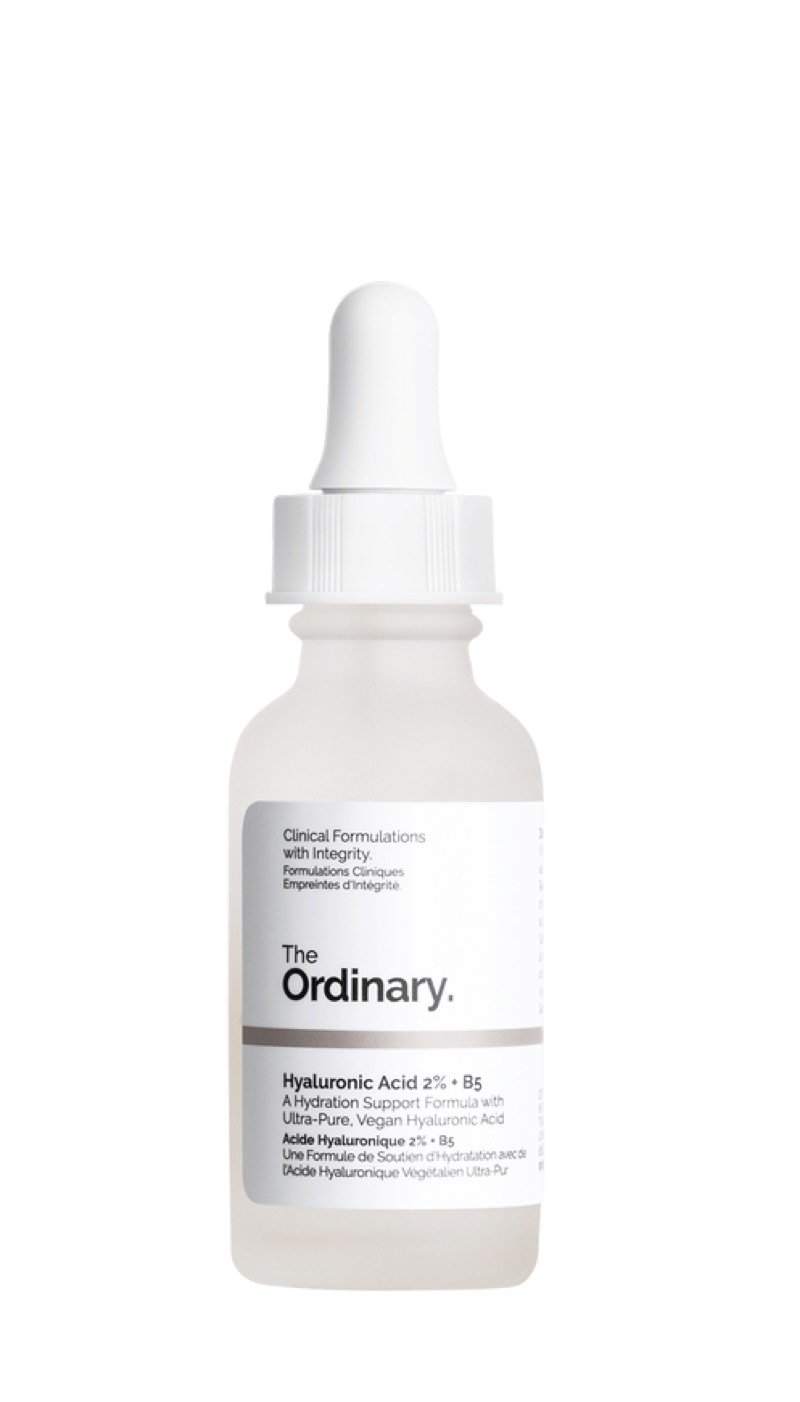
- Treatment Serums: Ingredients such as retinol, peptides, or hyaluronic acid are most effective at night. Retinoids, in particular, accelerate cell turnover and collagen production but can increase sun sensitivity, making nighttime application essential.
- Night Cream or Moisturizer: Rich, nourishing formulations with ceramides, peptides, or hyaluronic acid help repair and restore skin overnight.
Why Evening Skincare Matters
Nighttime routines focus on repair, hydration, and rejuvenation. Applying actives like retinol or growth factors at night aligns with your skin’s repair cycle, maximizing their effectiveness and improving long-term texture, tone, and radiance.
Skincare Timing by Product
Not all products are created equal, and knowing when’s the best time to do skincare for specific activities can help avoid irritation and improve results.
Product | Best Time | Why |
Vitamin C | Morning | Neutralizes free radicals and protects against UV damage |
Retinol | Night | Promotes cell turnover without UV exposure |
Coffee Scrub / Exfoliants | Night | Removes buildup and dead cells when skin is in repair mode |
Sunscreen | Morning (reapply midday) | Shields skin from UV rays |
Moisturizer | Both | Hydrates skin and maintains barrier function |
Understanding this timing ensures that each product works optimally and reduces the risk of irritation or diminished efficacy.
Simple Routines for Beginners
For those just starting, keeping it simple is key. A basic skincare routine ensures you stay consistent and helps identify which products work best for your skin.
Morning:
- Cleanser
- Moisturizer
- Sunscreen
Evening:
- Cleanser
- Moisturizer
- Optional: gentle exfoliant 2–3 times/week
Once comfortable, you can add targeted treatments like serums, retinoids, or antioxidants.
Common Skincare Mistakes to Avoid
Even the best products won’t work if used incorrectly. Avoid these pitfalls:
- Skipping sunscreen: Daily UV protection is essential to prevent premature aging.
- Overloading products: Introducing too many new products at once can irritate.
- Incorrect product timing: Retinol in the morning can cause redness; sunscreen at night is ineffective.
- Not removing makeup: Leaving makeup overnight clogs pores and dulls skin.
- Over-exfoliating: Stripping the skin can damage the barrier and lead to sensitivity.
By avoiding these mistakes, you’ll ensure that your skincare is both safe and effective.
How Age Affects Skincare Timing
As skin ages, cell turnover slows, and moisture retention decreases. Timing becomes even more critical:
- Younger Skin: Focus on daytime protection and hydration; nighttime treatments may be less intensive.
- Mature Skin: Emphasize nighttime hydration and repair with actives like peptides, retinoids, and collagen-boosting ingredients.
Aligning routines with your skin’s stage ensures that products work when they are needed most.
Lifestyle Factors That Boost Skin Health
Even with perfect timing, lifestyle choices can make or break your results:
- Hydration: Drinking 8–10 glasses of water daily keeps skin plump and resilient.
- Healthy Diet: Fruits, vegetables, nuts, and omega-3 fatty acids reduce inflammation and support skin health.
- Good Sleep: 7–9 hours of sleep allows proper cell regeneration.
- Minimal Face-Touching: Reduces transfer of germs and oils that cause breakouts.
- Tracking Changes: A skincare journal can help monitor what works best for your skin.
Expert Tips for Glowing Skin
- Consistency is Key: Skincare timing is only effective if routines are followed regularly.
- Use Gentle Products: Avoid harsh cleansers or exfoliants that disrupt the skin barrier.
- Adjust Seasonally: Skin may need richer moisturizers in winter and lighter products in summer.
- Consult Professionals: For persistent concerns, a dermatologist can recommend targeted products and timing.
By combining proper timing with a consistent, tailored approach, you can achieve long-term glow and health for your skin.

Final Thoughts: When’s the Best Time to Do Skincare?
So, when’s the best time to do skincare? The answer is twice daily:
- Morning: Focus on protection, hydration, and prevention.
- Evening: Focus on repair, treatment, and rejuvenation.
By respecting your skin’s natural circadian rhythm, following product-specific timing, and maintaining a consistent routine, you’ll maximize results and enjoy radiant, healthy skin. Skincare is not just about products; it’s about strategy, timing, and lifestyle, all working together to give your skin the glow it deserves.
Whether you’re a beginner or a skincare enthusiast, understanding when’s the best time to do skincare transforms your routine from a habit into a science-backed pathway to glowing skin.