If you’ve ever finished a masking session and wondered, “Can you reuse face masks skincare?”, you’re not alone. With rising beauty costs and growing environmental awareness, many skincare lovers are looking for ways to stretch their products further. But when it comes to face masks, reuse isn’t always safe or effective. The answer depends entirely on the type of mask, how it’s formulated, how it’s stored, and how carefully it’s handled.
Dermatologists and skincare specialists consistently emphasize one thing: while some masks are designed for multiple uses, others should never be reapplied once they’ve touched your skin. Reusing the wrong product can introduce bacteria, degrade active ingredients, and trigger irritation or breakouts.
In this guide, we’ll break down exactly which face masks can be reused, which should be discarded after one use, and what experts recommend to protect both your skin and your investment.
Can You Reuse Face Masks Skincare? It Depends on the Type
Not all face masks are created equal. Before deciding whether reuse is safe, you need to identify which category your mask falls into. Generally, skincare masks fit into five main types:
- Sheet masks
- Clay or mud masks
- Cream and gel masks
- Peel-off and exfoliating masks
- DIY or homemade masks
Each type has different contamination risks, ingredient stability, and shelf-life considerations. Let’s look at them individually.
Sheet Masks: Strictly Single-Use
Sheet masks are among the most popular and the most misunderstood when it comes to reuse.
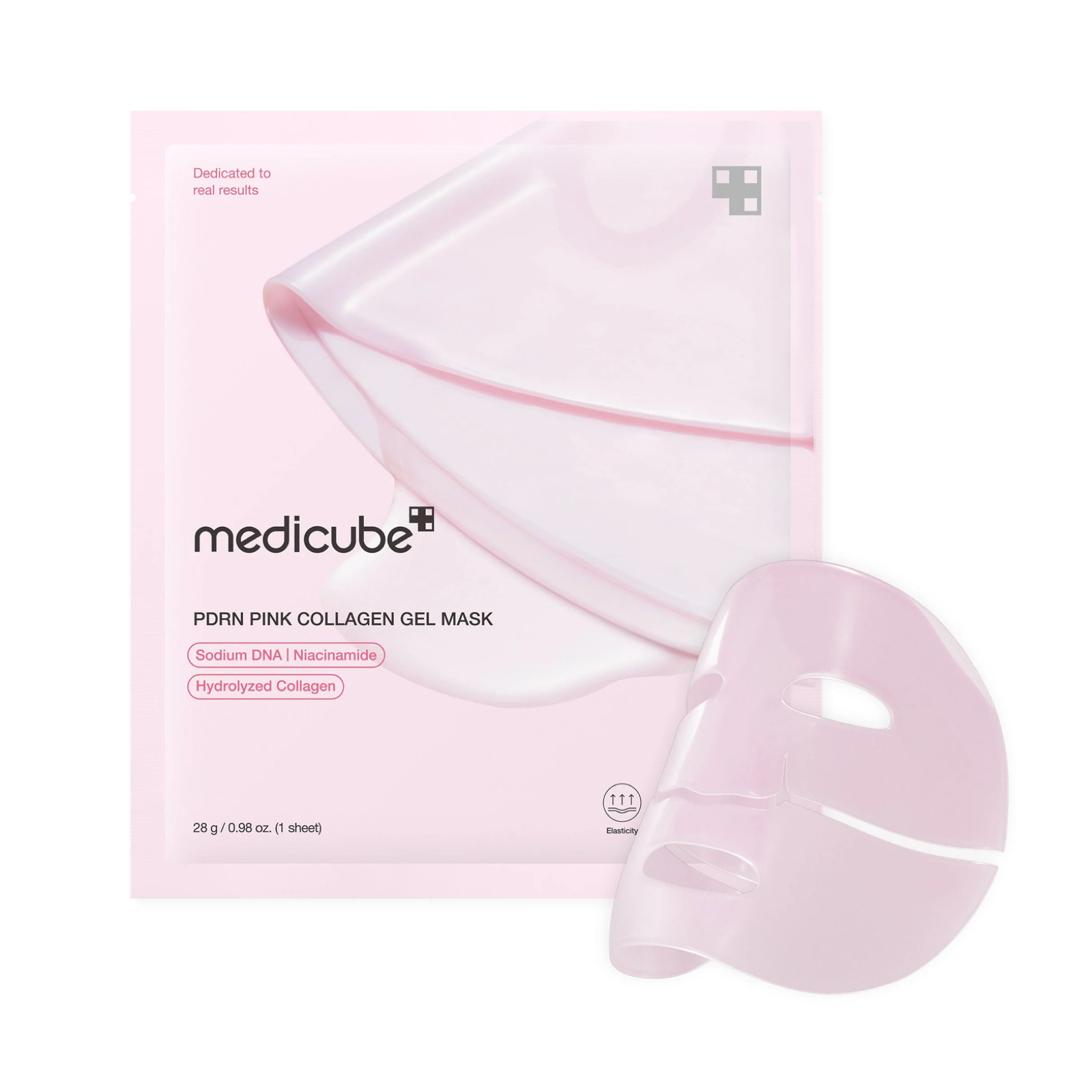
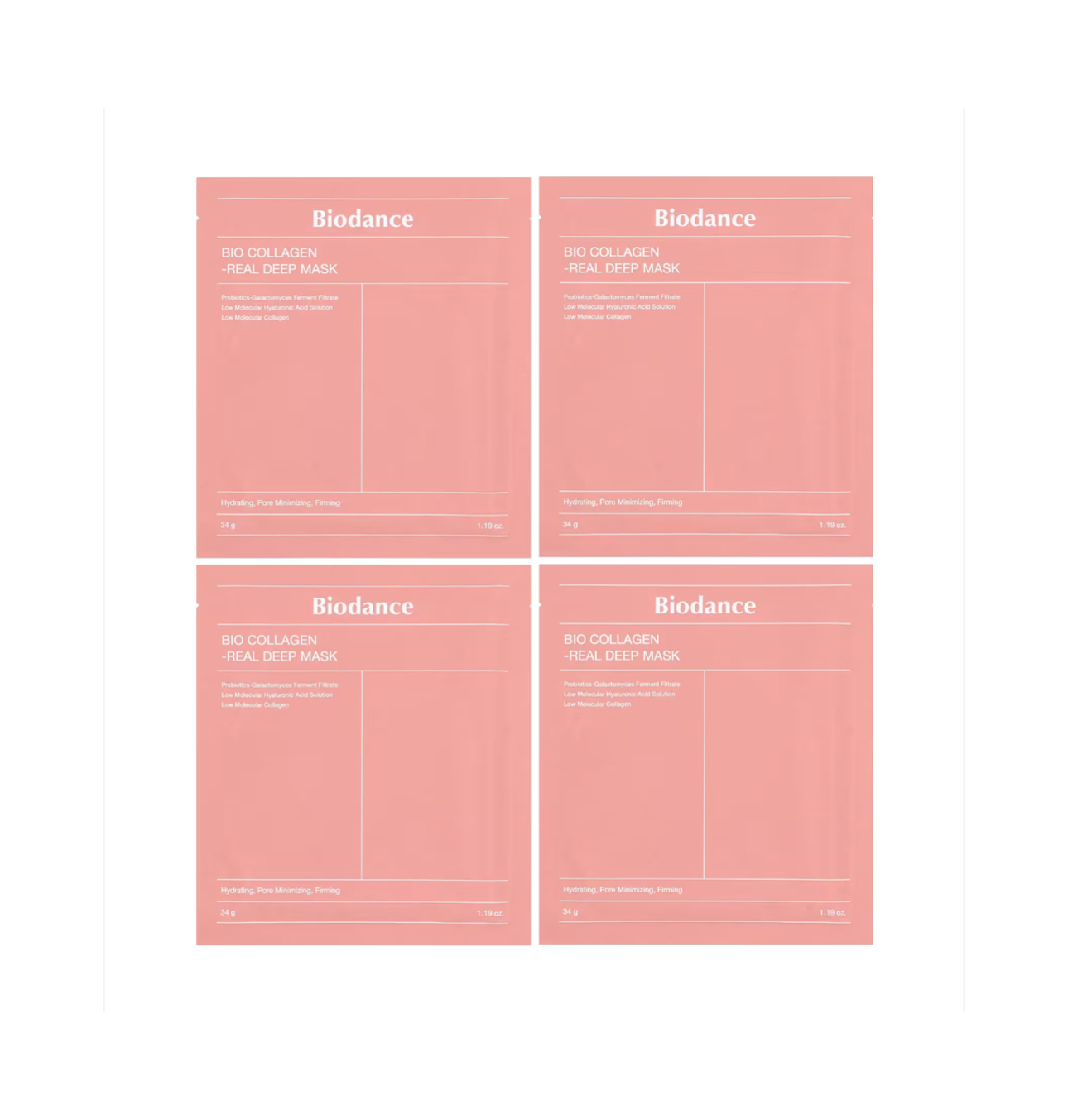
These masks are pre-soaked in a concentrated serum and designed for a single 15–20 minute application. Once placed on your face, the sheet absorbs oils, dead skin cells, and bacteria from your skin. Even if it still feels wet afterward, it is no longer sterile.
Why Experts Say No to Reuse
Dermatologists and cosmetic chemists strongly advise against reusing disposable sheet masks for several reasons:
- Bacterial contamination: Once exposed to your skin and air, microbes begin multiplying.
- Refrigeration isn’t enough: Storing a used sheet mask in the fridge slows bacterial growth, but doesn’t stop it.
- Degraded active ingredients: Antioxidants and other active compounds begin breaking down once exposed to oxygen.
- Reduced effectiveness: The mask loses structural integrity and adhesion, limiting serum absorption.
Reapplying a used sheet mask can increase the risk of acne, redness, irritation, or even infection, especially if you have sensitive or acne-prone skin.
What About Leftover Serum?
There is one safe exception: leftover serum inside the packet can be applied immediately to your neck, décolletage, or hands, provided you haven’t contaminated it. However, storing the open pouch for later use is not recommended.
Bottom line: Sheet masks are one-and-done products.
Clay and Mud Masks: Reusable With Proper Hygiene
Clay and mud masks, often packaged in jars, are more forgiving when it comes to reuse.
These formulas are typically low in water content, which naturally reduces microbial growth compared to water-based products. They are designed for multiple applications over several months.
How to Safely Reuse Clay Masks
To reuse safely:
- Always use a clean spatula or applicator (never dip fingers directly into the jar).
- Seal the container tightly after each use.
- Store in a cool, dry place away from heat and humidity.
- Monitor for changes in smell, texture, or color.
Most high-quality clay masks remain safe for 6–12 months after opening, depending on the product’s “Period After Opening” (PAO) symbol.
When handled properly, clay and mud masks are among the safest reusable face masks in skincare routines.
Cream, Gel, and Overnight Masks: Designed for Multiple Uses
Cream and gel masks are formulated for repeated use—but they require careful handling.
Because these masks contain water, humectants, and emollients, they are more prone to contamination if improperly stored. However, manufacturers include preservative systems specifically calibrated for ongoing use.
Safe Reuse Guidelines
- Apply with clean hands or a sanitized brush.
- Never introduce water into the container.
- Do not share with others.
- Discard if you notice odor changes, separation, or visible mold.
Overnight masks require extra caution. Since they remain on your skin for hours, product integrity is crucial. If a jar has been open for several months, consider patch testing before applying it again.
When stored and handled correctly, these masks can be reused safely within their labeled shelf life.
Peel-Off and Exfoliating Masks: No Reusing After Application
Peel-off masks and exfoliating treatments (including those with AHAs or BHAs) cannot be reused once applied.
After drying and peeling, the mask has collected dead skin cells and debris. Reapplying the same material would be both ineffective and unhygienic.
However, the unused portion inside the tube or jar can be reused, as long as:
- The opening hasn’t touched your skin.
- The cap remains clean and sealed tightly.
One more important note: even if the product is safe to reuse, your skin barrier may not tolerate frequent exfoliation. Limit use to 2–3 times per week to avoid over-exfoliation and irritation.

DIY Face Masks: High Risk, No Reuse
Homemade masks made from ingredients like yogurt, honey, avocado, or lemon juice lack preservatives entirely. This makes them highly unstable.
Even refrigeration cannot prevent spoilage. Most DIY masks begin degrading within 24 hours.
Reusing homemade masks increases the risk of:
- Bacterial and fungal growth
- Oxidation of active ingredients
- Skin irritation and allergic reactions
If you enjoy DIY skincare, prepare only enough for one application and discard any leftovers immediately.
Why Reusing the Wrong Mask Can Harm Your Skin
When people ask, “Can you reuse face masks for skincare?” they often focus on saving money or reducing waste. But the hidden risks can outweigh the benefits.
1. Microbial Contamination
Once a product is exposed to skin, fingers, or air, microbial growth accelerates—especially in water-based formulas. Introducing contaminated product back onto your face can disrupt the skin microbiome and lead to inflammation.
2. Ingredient Degradation
Active ingredients such as antioxidants degrade quickly when exposed to oxygen and light. Even if a mask looks fine, it may no longer deliver meaningful benefits.
3. Reduced Effectiveness
A used sheet mask loses elasticity and serum saturation. An improperly stored cream mask may separate or lose potency. Reuse doesn’t just risk irritation—it can also make the treatment ineffective.
Common Mistakes People Make
Even skincare enthusiasts make these reuse errors:
Storing used sheet masks in the fridge
Cooling slows bacteria, but does not eliminate them.
Dipping unwashed fingers into jars
This introduces microbes directly into the product.
Ignoring expiration dates and PAO symbols
Products are only guaranteed safe within their designated time frame after opening.
Sharing masks with others
Cross-contamination between individuals increases infection risk.
Reusing products after illness
If you’ve had a cold sore or facial infection, discard any mask that came into contact with the affected area.
Avoiding these mistakes protects your skin barrier and prevents unnecessary breakouts.
Environmental Impact vs. Skin Safety
Sustainability concerns are one reason many people ask, Can you reuse face masks and skincare safely to reduce waste?
While environmental responsibility matters, skin health should always come first.
Instead of reusing disposable sheet masks, consider:
- Reusable silicone sheet masks paired with your own serum
- Biodegradable sheet masks
- Clay or cream masks in recyclable glass jars
- Refillable skincare systems
These alternatives reduce environmental impact without compromising hygiene or product performance.
Best Practices for Safe Mask Reuse
If you’re using a mask designed for multiple applications, follow these expert-backed guidelines:
- Use applicators, not fingers.
- Sanitize tools regularly and let them dry completely.
- Store products away from heat and humidity.
- Label the opening date on jars.
- Follow PAO recommendations strictly.
- Avoid sharing products.
If you have acne-prone, sensitive, or compromised skin, err on the side of caution. When in doubt, discard it.
What Experts Say About Reusing Face Masks
Dermatologists consistently prioritize hygiene over convenience.
They emphasize that:
- The skin microbiome is delicate.
- Contaminated products, even from your own prior use, can disrupt balance.
- The cost savings from reuse are minimal compared to the potential cost of treating breakouts or irritation.
In clinical settings, single-use protocols are standard for a reason: minimizing contamination protects skin integrity. Your at-home routine should follow the same principle.
So, Can You Reuse Face Masks Skincare Safely?
Here’s the simplified answer:
- Sheet masks: No, single-use only.
- DIY masks: No, single-use only.
- Clay and mud masks: Yes, if handled hygienically.
- Cream, gel, and overnight masks: Yes, with proper storage and care.
- Peel-off masks: Reuse the unused portion only, not what’s been applied.
Ultimately, the safety of reuse depends on formulation stability and your hygiene practices.
Final Thoughts: Prioritize Skin Health Over Convenience
The question “Can you reuse face masks skincare?” reflects a smart desire to reduce waste and save money. But skincare is about long-term skin health, not short-term savings.
Reusing disposable masks can introduce bacteria, reduce effectiveness, and trigger irritation. However, many jarred or tube-based masks are perfectly safe for repeated use when stored properly and handled with clean tools.
If you’re ever unsure, follow this rule:
When in doubt, throw it out.
Your skin barrier is delicate. Protecting it should always be your top priority.