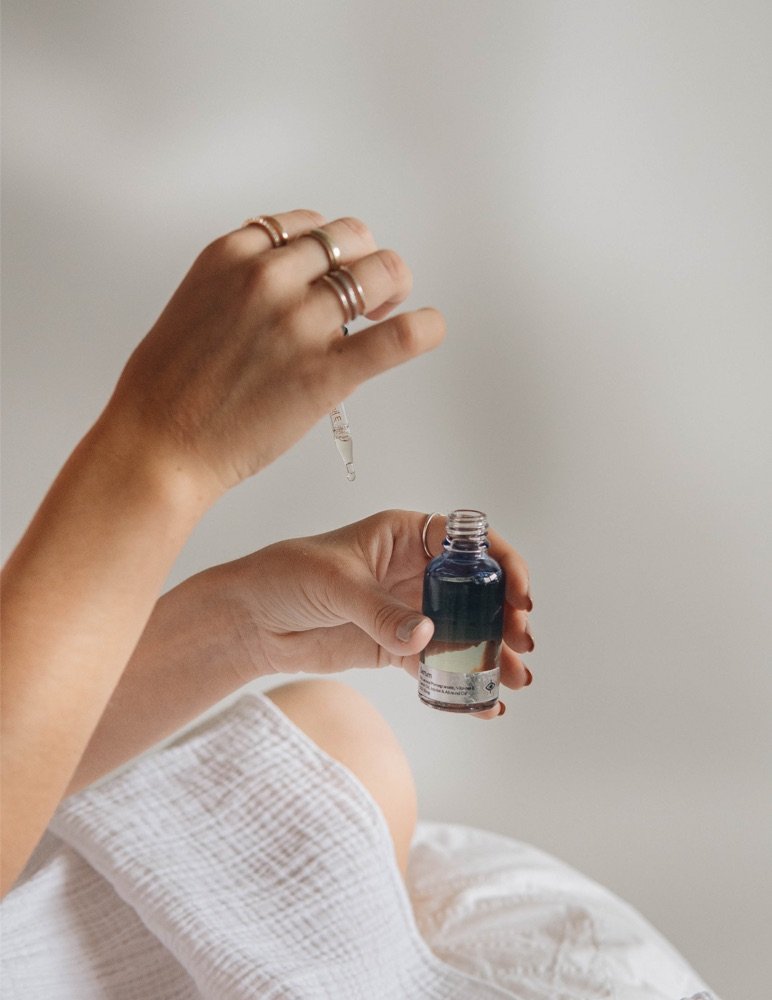
If you’ve ever paused mid-routine, wondering, moisturizer first or serum, you’re not alone. It’s one of the most common skincare questions, and surprisingly, one of the most important. The order in which you apply your products can make the difference between glowing, healthy skin and a routine that simply doesn’t deliver.
The good news? Once you understand the logic behind skincare layering, everything clicks into place. In this guide, we’ll break down the science, the correct order, and how to tailor it for your skin type so you get maximum results from every product you use.
$ 25.00
Why Skincare Order Matters More Than You Think
Skincare isn’t just about what you use; it’s about how you use it.
Each product is formulated with a specific purpose and texture. When applied in the wrong order, even the best ingredients may not penetrate properly, leaving your skin without their full benefits.
Here’s the core principle:
- Lightweight, active-rich products go first
- Heavier sealing products go last
This ensures:
- Better absorption
- Increased effectiveness
- Less product waste
So, when it comes to moisturizer first or serum, the answer lies in how these products function.
Serum vs. Moisturizer: What’s the Real Difference?
Understanding the difference between these two is key to building an effective routine.
Serums: Targeted Treatment
Serums are:
- Lightweight and fast-absorbing
- Packed with high concentrations of active ingredients
- Designed to penetrate deeply into the skin
They target specific concerns like:
- Acne
- Fine lines
- Uneven texture
- Dark spots
- Dehydration
Because of their smaller molecular structure, serums are meant to work beneath the surface.
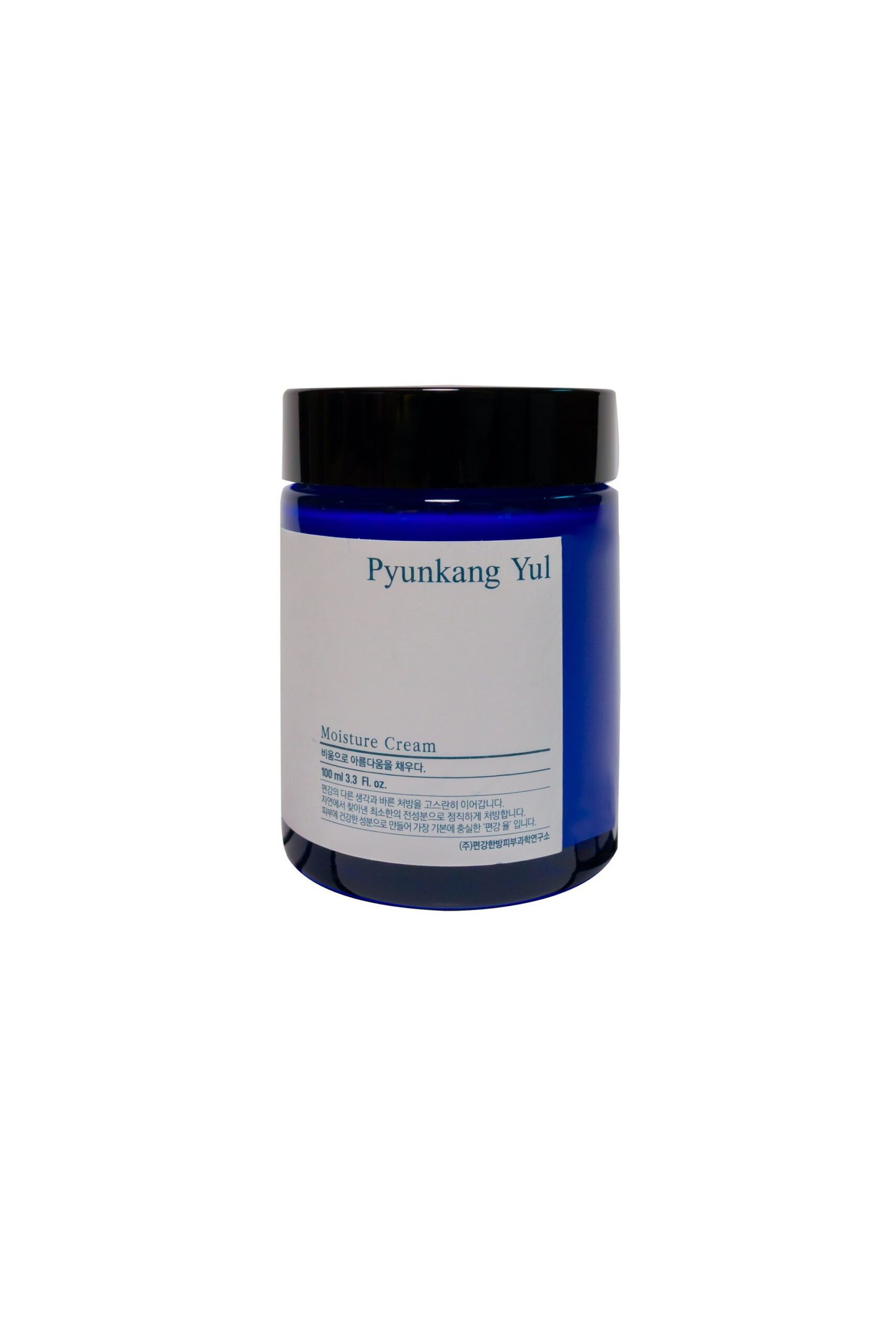
Moisturizers: Hydration and Protection
Moisturizers, on the other hand:
- Have a thicker, creamier consistency
- Sit closer to the skin’s surface
- Lock in hydration and seal previous layers
They:
- Prevent moisture loss
- Strengthen the skin barrier
- Keep skin soft and supple
In simple terms: serums treat, moisturizers protect
Moisturizer First or Serum? The Correct Answer
Let’s settle it clearly:
Serum always comes before moisturizer.
Why?
If you apply moisturizer first, it creates a barrier that blocks the serum from penetrating the skin effectively. That means all those powerful active ingredients never reach where they’re needed most.
Applying serum first allows:
- Deep absorption of actives
- Better targeting of skin concerns
- Enhanced overall results
Then, moisturizer seals everything in, locking in hydration and boosting effectiveness.
The Golden Rule: Thinnest to Thickest
Still unsure how to remember the order? Follow this simple rule:
Apply products from thinnest to thickest consistency.
This ensures each layer can absorb properly without interference.
Typical order:
- Cleanser
- Toner (optional)
- Serum
- Eye cream (if used)
- Moisturizer
- Sunscreen (morning only)
This sequence answers not just moisturizer first or serum, but also how to structure your entire routine.
How to Apply Serum and Moisturizer Correctly
Even with the right order, technique matters.
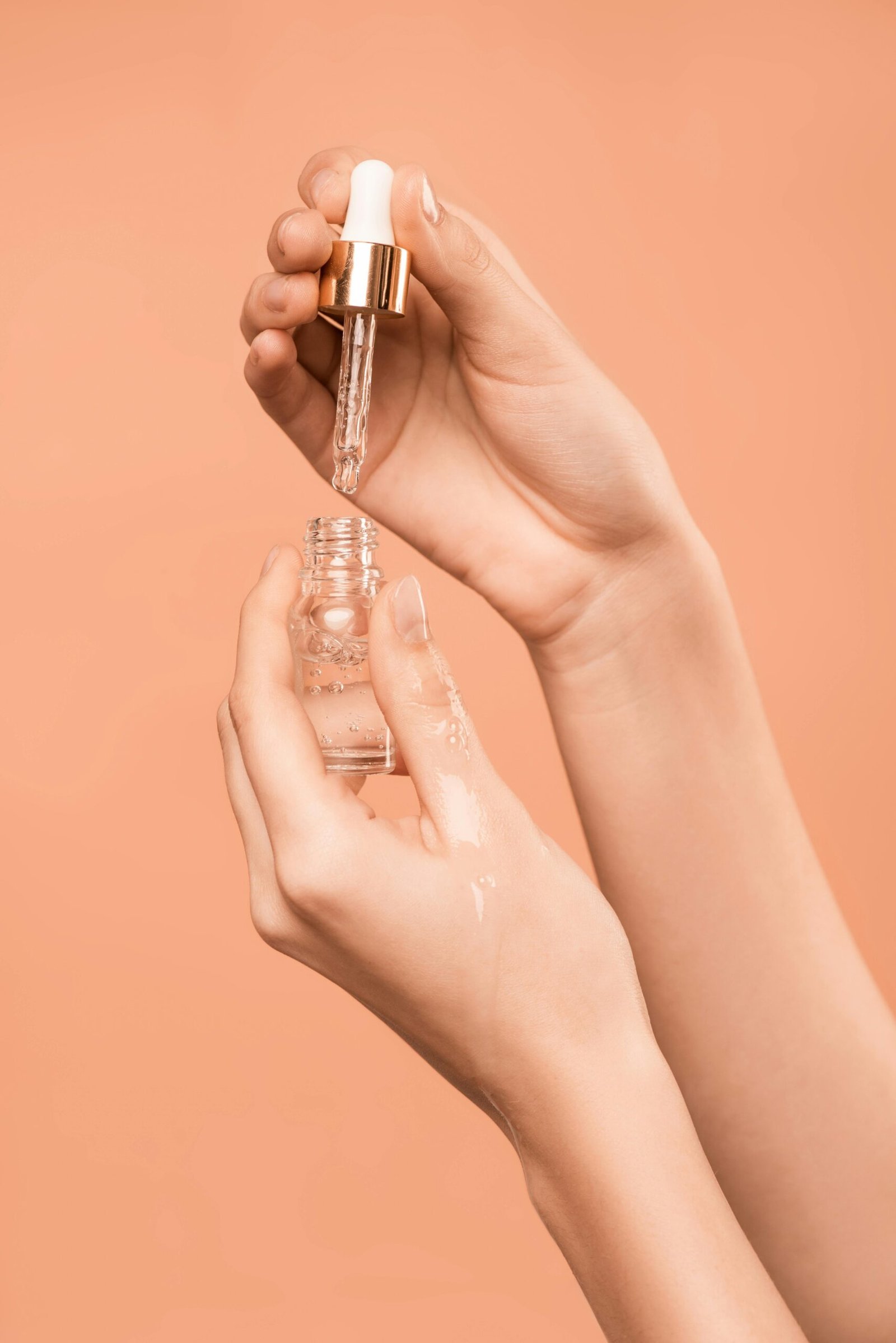
Applying Serum
- Use 2–3 drops only
- Apply to clean, slightly damp skin
- Gently pat into the skin (don’t rub)
- Wait 30–60 seconds before the next step
This helps the serum absorb deeply and evenly.
Applying Moisturizer
- Apply after serum has fully absorbed
- Use upward, gentle strokes
- Choose the amount based on your skin type
- Allow a minute or two before sunscreen or makeup
Moisturizer works best when it locks in already-absorbed ingredients.
Morning vs. Night Routine: Does the Order Change?
The order stays the same, but the products you use may differ.
Morning Routine (Protection Focus)
- Cleanser
- Serum (often vitamin C or antioxidant-based)
- Moisturizer (lightweight)
- Sunscreen
Morning skincare is all about defending your skin from environmental stressors like UV rays and pollution.
Night Routine (Repair Focus)
- Cleanser
- Serum (retinol, exfoliating acids, or treatment serums)
- Moisturizer (richer formula)
At night, your skin enters repair mode, making it the perfect time for active ingredients that improve texture and tone.
Ingredient Pairing: What Works and What Doesn’t
Layering isn’t just about order; it’s also about compatibility.
Some ingredients work beautifully together, while others can irritate your skin.
Good Pairings:
- Hyaluronic acid + moisturizer (for hydration)
- Niacinamide + most ingredients (for balance)
- Antioxidants + sunscreen (for protection)
Use With Caution:
- Retinol + vitamin C (may irritate if used together)
- Strong exfoliating acids + retinoids (can overwhelm the skin)
When in doubt, separate stronger actives into morning and night routines.
Special Case: Oil-Based Serums
Here’s where things get interesting.
Not all serums follow the same rule.
Oil-based serums:
- Are thicker than water-based ones
- Act more like sealing layers
Because of this, they’re often applied:
After moisturizer
They help lock in everything underneath, especially for dry skin types.
So while the general rule is serum before moisturizer, texture still matters.
Customizing the Routine for Your Skin Type
Not all skin behaves the same. Your routine should reflect your specific needs.
Oily Skin
- Use lightweight, non-comedogenic serums
- Look for ingredients like niacinamide or salicylic acid
- Choose gel-based moisturizers
Dry Skin
- Focus on hydrating serums (hyaluronic acid, glycerin)
- Use richer moisturizers with ceramides
- Avoid skipping moisturizer; it’s essential
Combination Skin
- Use lightweight serums that balance hydration and oil
- Apply richer moisturizer only to dry areas if needed
- Multi-tasking ingredients work best
Sensitive Skin
- Stick to gentle, fragrance-free products
- Look for soothing ingredients like aloe vera
- Avoid layering too many actives
Common Mistakes That Ruin Your Routine
Even if you know the answer to moisturizer first or serum, these mistakes can still hold you back:
- Applying products too quickly without letting them absorb
- Using too much product (more isn’t better)
- Skipping moisturizer after serum
- Ignoring sunscreen in the morning
- Mixing incompatible ingredients
Fixing these small habits can dramatically improve your results.
Final Thoughts
So, moisturizer first or serum?
The answer is simple, but powerful:
Serum first, moisturizer second.
This order ensures that your active ingredients penetrate deeply, while your moisturizer locks in hydration and protects your skin barrier.
Once you get this right, everything else becomes easier. Your products work better. Your skin responds faster. And your routine finally delivers the results you’ve been expecting.
It’s not about using more products; it’s about using them correctly.
Stick to the basics, stay consistent, and give your skin time to respond. With the right order and a little patience, smoother, clearer, and more radiant skin is well within reach.