
If you’ve been wondering if dermaplaning can cause hair growth, you’re not alone. It’s one of the most common concerns people have before trying this treatment, especially because dermaplaning involves removing peach fuzz from the face. The idea that hair might grow back thicker or darker is widespread, but the actual science behind dermaplaning tells a different story.
Dermaplaning is a professional exfoliating treatment that removes dead skin cells and vellus hair (peach fuzz) using a sterile surgical blade. It’s known for creating smoother texture, brighter skin, and better skincare absorption. But despite these benefits, confusion around facial hair regrowth continues to make people hesitate.
This guide breaks down what really happens to facial hair after dermaplaning, how regrowth actually works, and what you can realistically expect after treatment.
What Is Dermaplaning and How Does It Work?
Dermaplaning is a cosmetic skincare procedure performed by trained professionals such as dermatologists, plastic surgeons, or licensed cosmetologists. It uses a sterile, surgical-grade blade to gently exfoliate the skin’s surface.
During the treatment, the blade is held at a controlled angle and glides across the skin to:
- remove dead skin cells
- remove peach fuzz (vellus hair)
- smooth skin texture
- brighten the overall complexion
- improve absorption of skincare products
Unlike shaving, dermaplaning is not just about hair removal. It also physically exfoliates the skin, which is why many people notice an immediate glow and smoother makeup application afterward.
The treatment is considered noninvasive and typically takes around 30 to 60 minutes, depending on the area treated.
Can Dermaplaning Cause Hair Growth?
Let’s address the main concern directly: can dermaplaning cause hair growth that is thicker, darker, or faster?
The answer is no.
Dermaplaning does not affect:
- hair follicles
- hair growth cycles
- hair thickness
- hair color
It only removes hair at the surface of the skin. The follicle underneath, which controls how hair grows, remains completely unchanged.
This is why dermatology guidance from organizations like the American Academy of Dermatology confirms that cutting or shaving hair does not alter its natural growth pattern.
So even though it may feel like hair is growing differently after dermaplaning, the structure and biology of the hair remain the same.
Why People Think Dermaplaning Changes Hair Growth
Even though dermaplaning does not cause hair growth changes, many people report that regrowth feels different. This leads to the misconception that something has changed permanently.
There are a few reasons for this perception:
1. Blunt Hair Regrowth Feeling
Dermaplaning removes hair with a sharp blade, which creates a straight, blunt edge. When the hair starts to grow back, it may feel slightly coarse or “stubbly” at first.
However, this is temporary. The hair is not thicker; it simply lacks its natural tapered tip during early regrowth.
2. Regrowth Timing
Facial peach fuzz typically grows back within 2 to 4 weeks. During this cycle, short regrowth is more noticeable when you touch the skin, which can create the impression of increased hair presence.
3. Increased Skin Smoothness Contrast
After dermaplaning, the skin is extremely smooth and exfoliated. As hair begins to grow back, even fine vellus hair becomes more noticeable simply because the skin underneath is so clean and polished.
Vellus Hair vs Terminal Hair: Why It Matters
Understanding the difference between hair types helps clarify why dermaplaning does not cause permanent changes in facial hair.
Vellus Hair (Peach Fuzz)
- soft and fine
- lightly pigmented or blonde
- grows on most areas of the face
- removed during dermaplaning
Terminal Hair
- thicker and darker
- found on scalp, eyebrows, underarms, etc.
- hormonally influenced
Dermaplaning only targets vellus hair. It does not convert it into terminal hair or stimulate follicle changes. The structure beneath the skin remains untouched.
Does Dermaplaning Make Hair Grow Back Thicker or Darker?
A major myth surrounding dermaplaning is that it makes hair grow back thicker or darker. This is false.
Hair regrowth after dermaplaning:
- follows the same growth cycle
- maintains the same color
- maintains the same thickness
If someone notices changes in facial hair density or darkness unrelated to treatment timing, it may be linked to hormonal changes or other medical conditions—not dermaplaning itself.
What Happens to Facial Hair After Dermaplaning?
After a dermaplaning session, facial hair goes through a predictable regrowth cycle.
1. Immediate Removal
The treatment removes visible vellus hair and dead skin cells, leaving the skin smooth and bright.
2. Normal Regrowth Phase (2–4 Weeks)
Hair begins to regrow at its natural rate. There is no acceleration or delay caused by dermaplaning.
3. Temporary Texture Change
As hair grows back with a blunt tip, it may feel slightly different to the touch, but this is temporary.
4. Return to Baseline
Over time, hair returns to its natural softness and appearance without any long-term change.
Does Dermaplaning Affect Hair Color or Thickness?
Dermaplaning does not affect melanin production or follicle structure. That means:
- Hair does not become darker
- Hair does not become thicker
- Hair does not become denser
The appearance of change is purely due to surface-level regrowth and the contrast with newly exfoliated skin.
Benefits of Dermaplaning Beyond Hair Removal
Even though many people focus on hair growth concerns, dermaplaning is primarily a skin rejuvenation treatment.
Benefits include:
- smoother skin texture
- brighter complexion
- improved makeup application
- enhanced skincare absorption
- reduction in surface dullness
- removal of dead skin buildup
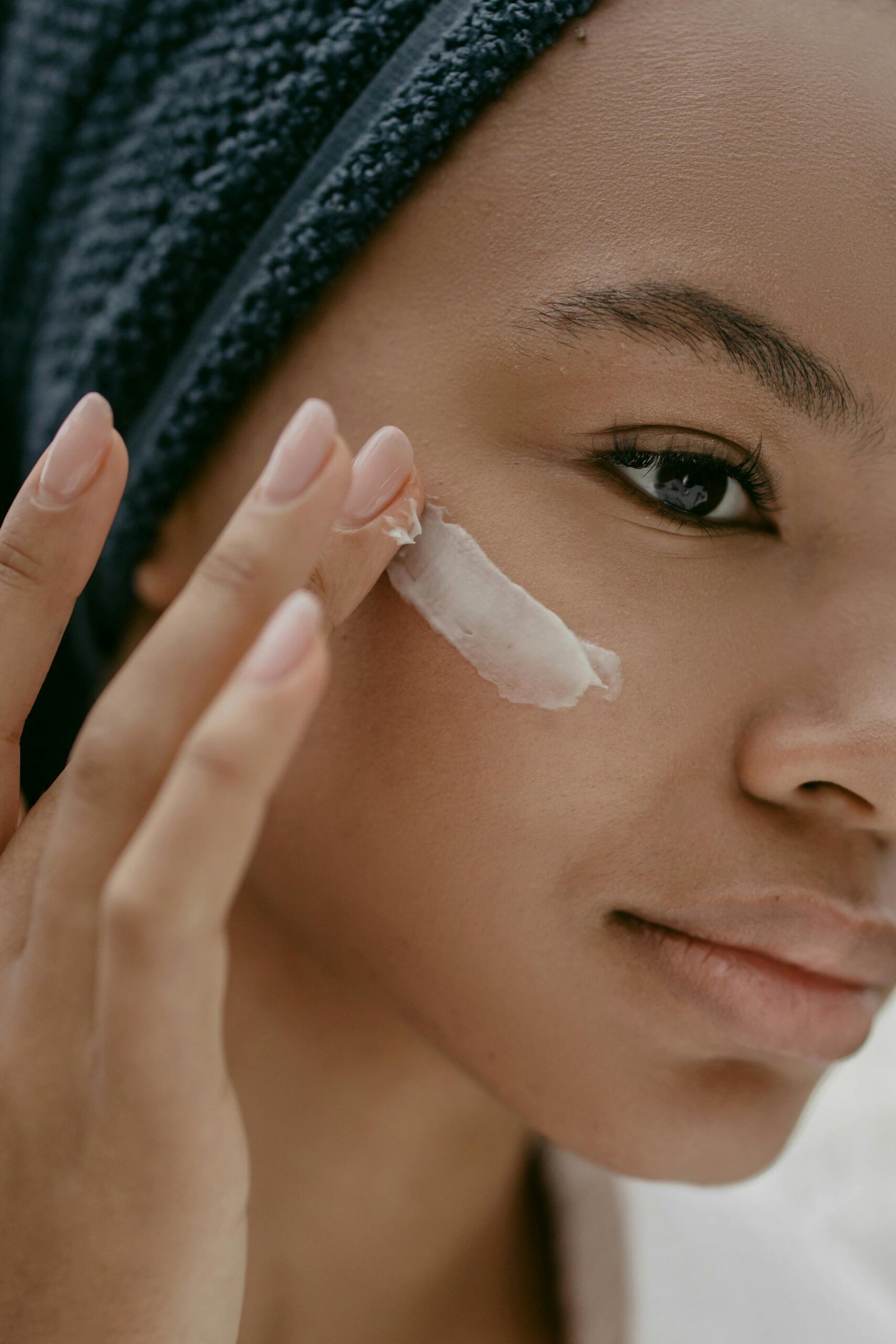
Because the skin is exfoliated, products such as moisturizers and serums can penetrate more effectively after treatment.
Does Dermaplaning Cause Breakouts?
Another concern often linked to hair regrowth is breakouts. Dermaplaning does not inherently cause acne, but results depend on how the procedure is performed.
When done correctly by a licensed professional, dermaplaning may actually help reduce breakouts by:
- removing dead skin buildup
- clearing surface debris
- preventing clogged pores
However, if tools are not sterile or if the procedure is performed over active acne, it may:
- spread bacteria
- irritate the skin
- worsen existing breakouts
This is why professional treatment is strongly recommended.
Who Should Avoid Dermaplaning?
Dermaplaning is not suitable for everyone. It is generally avoided in individuals with:
- active acne or inflamed breakouts
- rosacea
- eczema or psoriasis
- sunburned or irritated skin
It is also recommended to avoid dermaplaning if:
- You are on certain acne medications (such as isotretinoin)
- Your skin barrier is currently compromised
In these cases, treating underlying skin conditions first is more important than exfoliation.
Professional Dermaplaning vs At-Home Tools
One of the biggest factors affecting results and safety is whether dermaplaning is done professionally.
Professional Dermaplaning
- performed by trained specialists
- uses sterile surgical-grade tools
- customized to skin type
- lower risk of irritation or infection
At-Home Dermaplaning
- uses consumer-grade tools
- A higher risk of cuts or uneven results
- less control over pressure and angle
Because dermaplaning involves a sharp blade, professional treatment is generally considered safer and more effective.
How Often Should You Dermaplane?
Dermaplaning is typically done:
- every 3 to 4 weeks
This timing aligns with the natural skin and hair renewal cycle. Overdoing treatments may lead to unnecessary irritation without improving results.
Consistency, not frequency, is what produces the best long-term skin benefits.
Aftercare for Best Results
After dermaplaning, the skin is more sensitive and absorbent, so aftercare is essential.
Recommended aftercare includes:
- gentle cleansing
- daily moisturizing
- avoiding harsh exfoliants
- avoiding direct sun exposure
- applying sunscreen regularly
Because the skin is newly exfoliated, SPF protection is especially important to prevent irritation or damage.
Final Verdict: Can Dermaplaning Cause Hair Growth?
So, returning to the original question, can dermaplaning cause hair growth?
The clear answer is no. Dermaplaning does not increase hair growth, change hair thickness, or alter hair color. Any differences in texture or feel are temporary and caused by how hair regrows at the surface level after being cut.
What dermaplaning reliably does is improve skin texture, brightness, and smoothness while removing peach fuzz and dead skin cells.
When performed by a trained professional and paired with proper skincare, dermaplaning is a safe and effective treatment that enhances overall skin appearance, without changing how your facial hair naturally grows.