If you’ve ever asked yourself, “Can I use BHA and vitamin C together?”, you’re not alone. These two skincare ingredients are among the most popular actives for achieving clearer, brighter, and smoother-looking skin. But because both are considered powerful ingredients, many people worry about irritation, sensitivity, or whether layering them could actually do more harm than good.
The good news? Yes, you can use BHA and vitamin C together, and when used correctly, they can complement each other beautifully. In fact, this combination can help improve clogged pores, uneven skin tone, dullness, acne marks, and even early signs of aging.
The key is knowing how to layer them safely and choosing the right routine for your skin type.
In this guide, we’ll break down exactly how BHA and vitamin C work, the benefits of combining them, how to avoid irritation, and the best way to incorporate both into your skincare routine.
What Is BHA?
BHA stands for beta hydroxy acid, and the most common form used in skincare is salicylic acid. Unlike many exfoliants that only work on the surface of the skin, BHA is oil-soluble, meaning it can travel deeper into pores to remove excess oil, dead skin cells, and buildup.
This makes BHA especially beneficial for:
- Oily skin
- Acne-prone skin
- Blackheads and whiteheads
- Congested pores
- Uneven texture
One of the reasons BHA is so widely loved is that it exfoliates while also helping calm inflammation. That’s why it’s often recommended for people dealing with acne, redness, or recurring breakouts.
By clearing out clogged pores and smoothing dead skin buildup, BHA creates a cleaner surface that allows other skincare ingredients to absorb more effectively.
What Is Vitamin C?
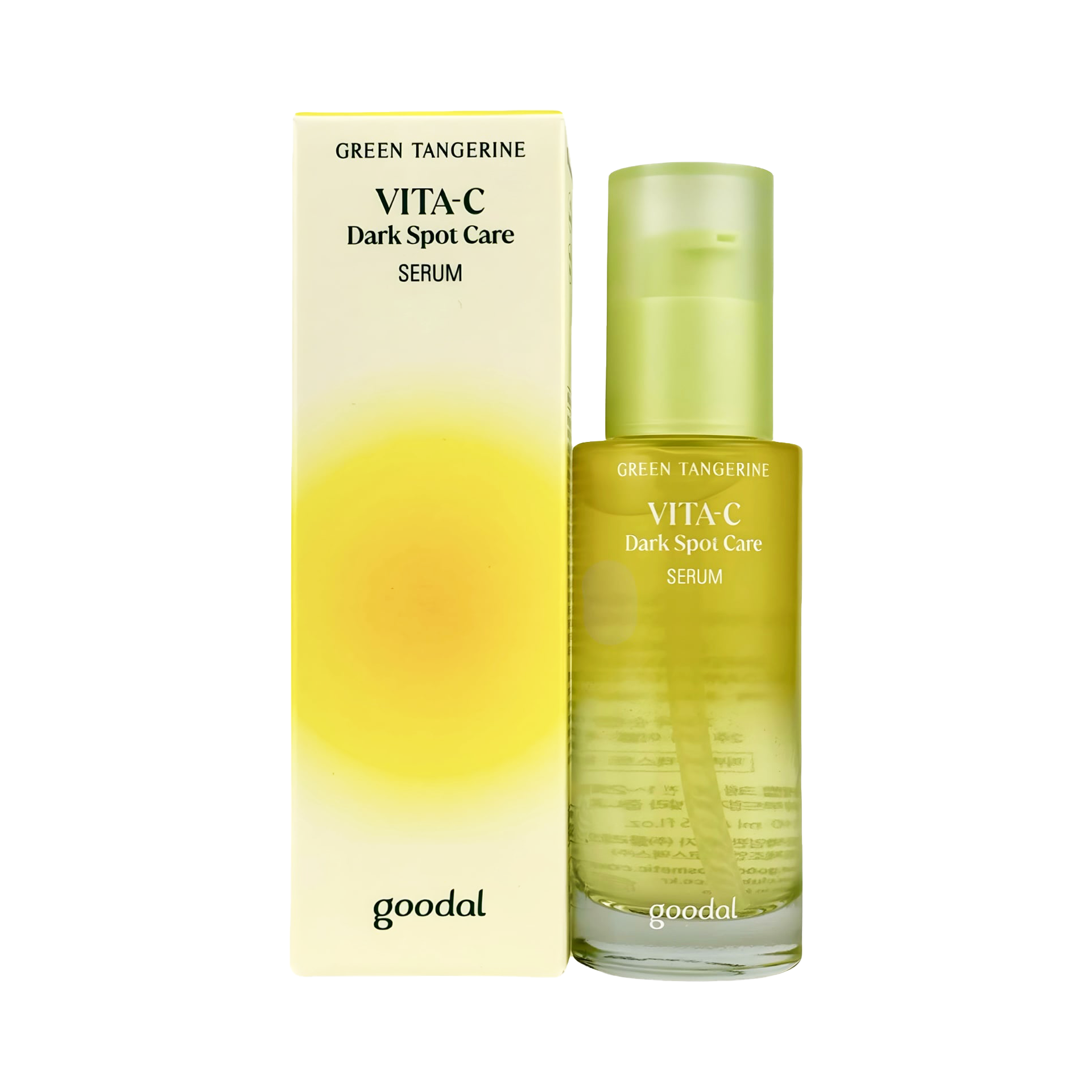
Vitamin C, also known as ascorbic acid, is a powerful antioxidant that helps protect the skin from environmental stressors like pollution and UV-related free radical damage.
But its benefits go far beyond antioxidant protection.
Vitamin C is known for helping:
- Brighten dull skin
- Fade dark spots and hyperpigmentation
- Even out skin tone
- Support collagen production
- Improve skin texture
- Reduce the appearance of fine lines
It’s often considered one of the best ingredients for achieving radiant, healthy-looking skin because it addresses both prevention and correction.
Another major benefit of vitamin C is its ability to strengthen the skin barrier and improve hydration retention, helping the skin appear smoother and healthier over time.
Can I Use BHA and Vitamin C Together?
Yes, the answer is absolutely.
In fact, these two ingredients can work synergistically when layered properly.
Here’s why they pair so well:
- BHA exfoliates dead skin cells and unclogs pores
- This allows vitamin C to penetrate more effectively
- Vitamin C helps brighten and calm the skin
- Together, they target texture, acne, dullness, and discoloration
Many skincare enthusiasts use this combination to achieve clearer pores and a brighter complexion at the same time.
However, because both ingredients are active treatments, using them incorrectly can lead to irritation, especially for sensitive skin types.
That’s why understanding how to layer them safely matters.
Benefits of Using BHA and Vitamin C Together
Combining these two powerhouse ingredients can deliver multiple skin benefits at once.
1. Clearer Pores and Fewer Breakouts
BHA penetrates deep into pores to dissolve oil and debris that can lead to acne. Regular use can help minimize blackheads, whiteheads, and congestion.
When your pores are cleaner, the skin often appears smoother and more refined.
2. Brighter, More Radiant Skin
Vitamin C helps fade dark spots and uneven pigmentation while improving overall skin brightness.
Using BHA first can help remove dull surface buildup, making the brightening effects of vitamin C even more noticeable.
3. Improved Skin Texture
Dead skin accumulation can leave skin rough or uneven. BHA exfoliates the surface while vitamin C supports smoother, healthier-looking skin.
Together, they can help create a softer, more polished complexion.
4. Anti-Aging Support
Vitamin C supports collagen production, which is essential for maintaining firm, youthful-looking skin.
At the same time, exfoliation from BHA can help skin look fresher and more refined.
5. Better Product Absorption
One overlooked benefit of BHA is that it prepares the skin for other products.
Removing buildup and clearing pores, it helps vitamin C absorb more effectively into the skin.
How to Layer BHA and Vitamin C Safely
If you plan to use both ingredients in the same routine, application order matters.
Step 1: Cleanse Your Skin
Start with a gentle cleanser to remove dirt, oil, sunscreen, and makeup.
Avoid harsh cleansers that leave your skin feeling tight or stripped.
Step 2: Apply BHA First
BHA should generally go on before vitamin C because it exfoliates the skin and clears away dead cells.
Applying vitamin C first and then exfoliating afterward may reduce its effectiveness.
Use a thin layer and avoid over-applying.
Step 3: Wait if Needed
If you have sensitive skin, allowing a few minutes between products may help reduce irritation.
Not everyone needs to wait, but spacing out applications can help reactive skin tolerate the combination better.
Step 4: Apply Vitamin C
Once your BHA has absorbed, apply your vitamin C serum or treatment.
Vitamin C works best when used consistently, so regular application is key for visible brightening and tone-evening benefits.
Step 5: Moisturize
Finish with a moisturizer to support hydration and protect the skin barrier.
Hydration is especially important when using active ingredients.
Step 6: Use Sunscreen During the Day
Both BHA and vitamin C can increase sun sensitivity, making sunscreen essential.
A broad-spectrum SPF should always be the final step of your morning routine.

Should You Use BHA and Vitamin C at Different Times?
For some people, yes.
While many skin types can tolerate layering these ingredients, others may prefer using them separately to reduce the risk of irritation.
A popular approach is:
- Vitamin C in the morning
- BHA at night
This routine works well because vitamin C provides antioxidant protection during the day, while BHA exfoliates and clears pores overnight.
If your skin tends to become red, dry, or sensitive easily, separating the two ingredients may be the better option.
Who Should Be Careful Combining BHA and Vitamin C?
Although this combination works well for many people, some skin types should introduce these ingredients slowly.
You may need extra caution if you have:
- Sensitive skin
- A damaged skin barrier
- Rosacea-prone skin
- Very dry skin
- Skin that reacts easily to active ingredients
Signs you may be overdoing it include:
- Burning or stinging
- Redness
- Flaking
- Tightness
- Increased sensitivity
If that happens, reduce frequency and focus on hydration and barrier support.
Tips for Using BHA and Vitamin C Without Irritation
Start Slowly
Don’t begin by using both ingredients every day.
Start with a few times per week and gradually increase frequency as your skin adjusts.
Patch Test First
Always test new products on a small area before applying them to your full face.
Avoid Too Many Actives at Once
Using BHA, vitamin C, retinol, and strong acids all together can overwhelm the skin.
Keep the rest of your routine simple as you introduce these ingredients.
Prioritize Hydration
Hydrating toners, moisturizers, ceramides, and gentle skincare products can help maintain a healthy skin barrier.
Listen to Your Skin
More isn’t always better.
If your skin feels irritated, scale back and simplify your routine temporarily.
Choosing the Right Products
Not all BHA and vitamin C products are formulated the same way.
When shopping for products, consider:
For BHA:
- Lower concentrations if you’re a beginner
- Gentle formulas for sensitive skin
- Products designed for your skin type
For Vitamin C:
- Stable formulas
- Lightweight serums for oily skin
- Hydrating formulas for dry skin
Consistency matters more than using the strongest product possible.
Best Routine Example for Beginners
If you’re new to combining these ingredients, here’s a simple beginner-friendly routine:
Morning
- Gentle cleanser
- Vitamin C serum
- Moisturizer
- Sunscreen
Evening
- Cleanser
- BHA exfoliant
- Moisturizer
This approach allows you to enjoy the benefits of both ingredients while minimizing the risk of irritation.
Common Mistakes to Avoid
Over-Exfoliating
Using BHA too frequently can damage the skin barrier and lead to dryness or sensitivity.
Skipping Sunscreen
This is one of the biggest mistakes people make when using active ingredients.
Daily SPF is non-negotiable.
Introducing Too Many Products at Once
If irritation occurs, it becomes difficult to know which product is responsible.
Ignoring Your Skin Barrier
Healthy skin is balanced skin. Hydration and barrier care are just as important as active ingredients.
Final Thoughts: Can I Use BHA and Vitamin C Together?
So, can you use BHA and vitamin C together?
Yes, and when used properly, they can become one of the most effective combinations in your skincare routine.
BHA helps exfoliate, clear pores, and smooth texture, while vitamin C brightens the skin, supports collagen production, and protects against environmental stressors.
Together, they can help you achieve skin that looks clearer, healthier, brighter, and more refined.
The secret is to introduce them gradually, avoid overloading your routine, prioritize hydration, and always wear sunscreen.
Whether you decide to layer them in the same routine or use them at different times of day, consistency and balance are what truly deliver long-term results.