If you’ve ever wondered whether glycolic acid and sensitive skin can actually work together, you’re not alone. Glycolic acid is one of the most talked-about skincare ingredients thanks to its ability to exfoliate, brighten, smooth, and improve overall skin texture. But for people with sensitive skin, the idea of using an acid on the face can sound intimidating.
The good news is that glycolic acid does not automatically mean irritation. When used correctly, even sensitive skin types can enjoy the benefits of this powerful ingredient. The key lies in understanding how glycolic acid works, choosing the right products, introducing it gradually, and supporting your skin barrier properly.
In this guide, we’ll break down everything you need to know about glycolic acid, how it affects sensitive skin, the benefits it offers, the precautions to take, and how to build a safe skincare routine around it.
What Is Glycolic Acid?
Glycolic acid is a type of alpha-hydroxy acid (AHA) derived from sugarcane. AHAs are water-soluble acids commonly used in skincare for exfoliation and skin renewal.
Among all AHAs, glycolic acid has the smallest molecular size, which allows it to penetrate the skin more effectively than many other exfoliating acids.
Its main function is to:
- Loosen dead skin cells
- Remove buildup from the skin’s surface
- Encourage skin cell turnover
- Reveal fresher, smoother skin underneath
Because of its deep penetration abilities, glycolic acid is considered one of the most effective chemical exfoliants available in skincare.
Why Glycolic Acid Is So Popular in Skincare
Glycolic acid is used in cleansers, toners, serums, creams, and chemical peels because it addresses multiple skin concerns at once.
Unlike physical scrubs that manually buff the skin, glycolic acid exfoliates chemically by dissolving the bonds between dead skin cells. This creates a smoother appearance without harsh scrubbing.
Many people use glycolic acid to improve:
- Dullness
- Uneven texture
- Fine lines
- Dark spots
- Mild acne
- Clogged pores
- Early signs of aging
Its versatility is one reason it remains one of the most common active ingredients in modern skincare products.
Glycolic Acid and Sensitive Skin: Is It Safe?
One of the biggest skincare concerns people have is whether glycolic acid and sensitive skin are compatible.
The answer is yes, but with caution.
Sensitive skin reacts more easily to active ingredients, especially exfoliating acids. This means using glycolic acid incorrectly can lead to:
- Redness
- Dryness
- Stinging
- Irritation
- Peeling
However, when introduced slowly and used properly, many people with sensitive skin can still benefit from glycolic acid safely.
The key is moderation and barrier support.
How Glycolic Acid Works on Sensitive Skin
For sensitive skin, glycolic acid works by gently dissolving the outer layer of dead skin cells without the need for abrasive scrubbing.
This gradual exfoliation can help:
- Smooth rough texture
- Improve radiance
- Fade mild discoloration
- Unclog pores
- Support skin renewal
Because sensitive skin has a weaker tolerance for active ingredients, low concentrations and controlled use are extremely important.
Pairing glycolic acid with calming ingredients can also help reduce irritation.
Helpful supporting ingredients include:
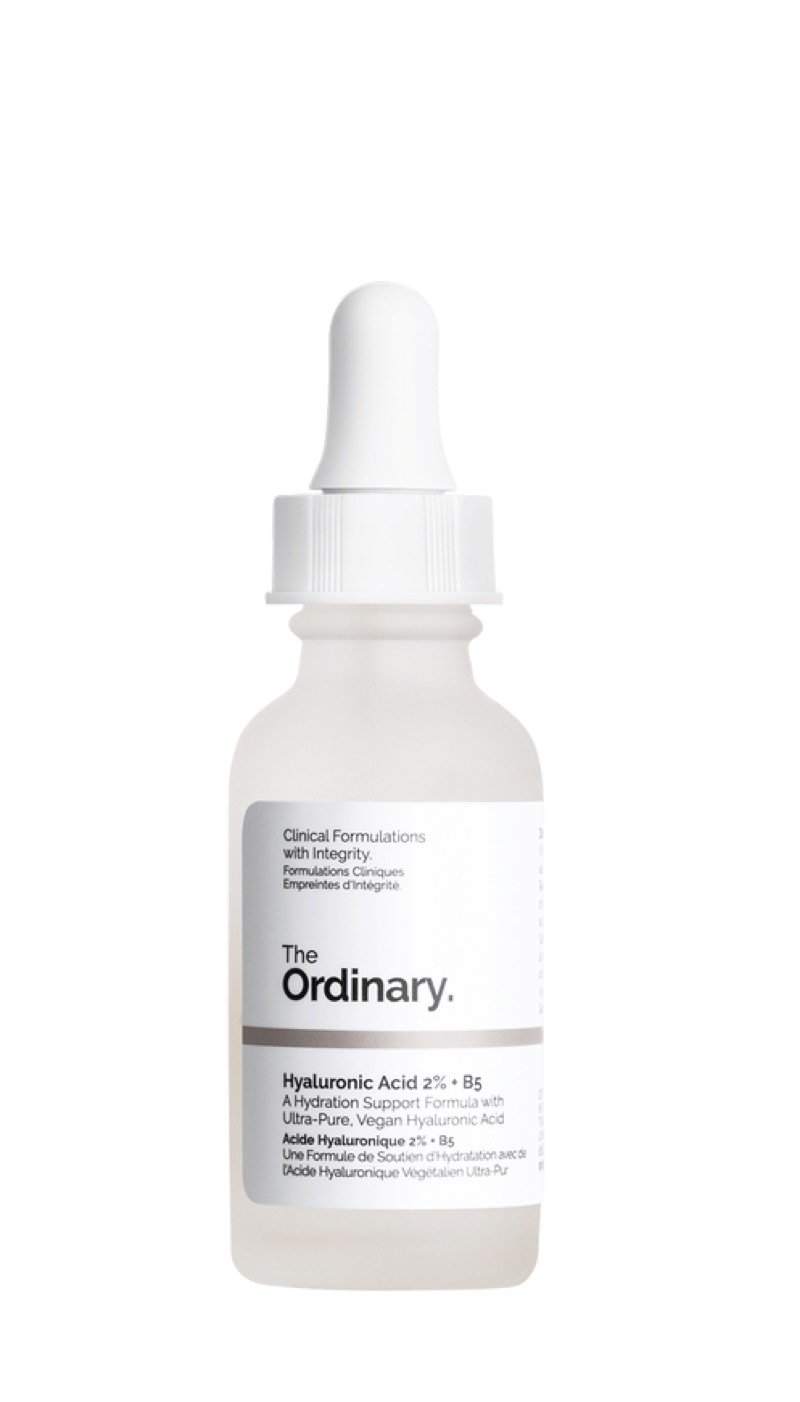
- Hyaluronic acid
- Aloe vera
- Niacinamide
- Ceramides
These ingredients help hydrate and strengthen the skin barrier while glycolic acid performs its exfoliating role.
Benefits of Glycolic Acid for Sensitive Skin
When used carefully, glycolic acid can provide several benefits even for delicate skin types.
1. Gentle Exfoliation
Dead skin buildup can make sensitive skin look rough, flaky, and dull.
Glycolic acid helps remove this buildup gently, improving softness and texture over time.
2. Brighter, More Radiant Skin
One major reason people use glycolic acid is for its brightening effect.
By removing dull surface cells, it helps reveal fresher skin underneath, making the complexion appear:
- More radiant
- More even
- Healthier-looking
3. Improved Skin Texture
Sensitive skin can still experience uneven texture, rough patches, and congestion.
Consistent glycolic acid use may help smooth the skin’s surface and improve overall texture gradually.
4. Reduction in Dark Spots and Hyperpigmentation
Glycolic acid supports skin cell turnover, which can help fade:
- Post-acne marks
- Mild sun damage
- Uneven pigmentation
- Dark spots
It may also improve the appearance of melasma over time when used consistently and carefully.
5. Anti-Aging Support
Glycolic acid can stimulate collagen production, helping improve:
- Fine lines
- Skin firmness
- Overall skin smoothness
This makes it a popular ingredient in anti-aging skincare routines.
6. Better Absorption of Other Products
Exfoliating away dead skin cells allows hydrating and nourishing ingredients to penetrate more effectively.
This can improve the performance of moisturizers and serums in your routine.

Who Should Be Extra Careful With Glycolic Acid?
Although glycolic acid can work for many skin types, some people need to be more cautious.
Extra care is recommended for those with:
- Very sensitive skin
- Rosacea
- Eczema
- Active skin irritation
- Broken skin
- Skin infections
- Extremely dry skin
If your skin barrier is already compromised, introducing exfoliating acids too aggressively can worsen irritation.
How to Introduce Glycolic Acid Safely
The most important rule when using glycolic acid on sensitive skin is to start slowly.
Begin With Low Concentrations
Lower-strength formulas are generally easier for sensitive skin to tolerate.
Starting mild allows your skin to adapt gradually without overwhelming the barrier.
Use It Only Once or Twice Weekly at First
Instead of daily application, begin with:
- 1–2 uses per week
If your skin tolerates it well, you can slowly increase frequency over time.
Sensitive skin does not usually need aggressive exfoliation to see results.
Patch Test Before Full Application
Before applying glycolic acid to your entire face:
- Test a small amount on one area
- Wait 24–48 hours
- Watch for irritation or excessive redness
Patch testing helps prevent widespread reactions.
Avoid Overusing Other Active Ingredients
One of the biggest mistakes people make is combining too many strong skincare ingredients at once.
When first introducing glycolic acid, avoid layering it with:
- Retinol
- Vitamin C serums
- Salicylic acid
- Lactic acid
- Strong exfoliants
Using too many active ingredients together can overwhelm sensitive skin and damage the skin barrier.
The Importance of Sunscreen
One of the most critical parts of using glycolic acid safely is sun protection.
Glycolic acid increases the skin’s sensitivity to UV rays, which means skipping sunscreen can lead to:
- Sunburn
- Irritation
- Worsened pigmentation
- Skin damage
Daily sunscreen use is essential.
A broad-spectrum SPF 30 or higher should become a non-negotiable part of your routine whenever you use exfoliating acids.
Morning Routine for Sensitive Skin Using Glycolic Acid
Keeping your morning routine simple can help minimize irritation.
Recommended Morning Routine
- Gentle cleanser
- Lightweight moisturizer
- Broad-spectrum sunscreen
Avoid overloading sensitive skin with too many active ingredients during the daytime.
Evening Routine for Glycolic Acid and Sensitive Skin
Nighttime is usually the best time to apply glycolic acid because the skin naturally repairs itself overnight.
Recommended Evening Routine
- Mild cleanser
- Low-concentration glycolic acid product
- Hydrating serum or soothing moisturizer
This routine helps balance exfoliation with hydration and barrier repair.
Common Side Effects of Glycolic Acid
Even when used correctly, some temporary side effects can occur during the adjustment period.
These may include:
- Mild redness
- Temporary stinging
- Dryness
- Slight peeling
- Increased sun sensitivity
In many cases, these reactions improve as the skin adapts.
However, severe irritation, burning, or persistent redness may indicate overuse or a damaged skin barrier.
Professional Glycolic Acid Treatments vs. At-Home Products
There’s a major difference between professional glycolic acid peels and over-the-counter products.
At-Home Glycolic Acid Products
- Lower concentrations
- Safer for beginners
- Gradual results
- Better suited for sensitive skin
Professional Glycolic Acid Peels
- Much stronger concentrations
- Faster and more dramatic results
- Higher risk of irritation
- Often used for stubborn pigmentation or texture issues
Sensitive skin types should usually begin with mild home-use formulas before considering professional treatments.
Can Glycolic Acid Help Acne-Prone Sensitive Skin?
Yes, glycolic acid may help sensitive skin that also struggles with mild acne or clogged pores.
Because it removes dead skin buildup and supports pore clarity, it can help reduce:
- Blackheads
- Congestion
- Mild breakouts
However, overuse can worsen inflammation, so balance is important.
Tips for Using Glycolic Acid Without Irritation
If you want to safely combine glycolic acid and sensitive skin, follow these important guidelines:
- Start with low-strength formulas
- Introduce it gradually
- Use it at night
- Always wear sunscreen
- Avoid harsh scrubs
- Keep your routine simple
- Focus on hydration
- Don’t mix too many actives initially
- Watch your skin’s response carefully
Consistency and patience are more effective than aggressive exfoliation.
Signs You’re Overusing Glycolic Acid
Sometimes people mistake over-exfoliation for “purging” or assume stronger results mean the product is working better.
Common signs of overuse include:
- Excessive redness
- Burning
- Tightness
- Flaking
- Sensitivity
- Increased breakouts
- Skin that feels raw or irritated
If this happens, stop exfoliating temporarily and focus on repairing your skin barrier with soothing, hydrating products.
Final Thoughts on Glycolic Acid and Sensitive Skin
Using glycolic acid and sensitive skin together safely is absolutely possible when approached carefully.
Despite its reputation as a strong exfoliating acid, glycolic acid can provide impressive benefits for sensitive skin types when used correctly. From brighter skin and smoother texture to improved pigmentation and gentle anti-aging support, it offers a wide range of skincare advantages.
The key is to avoid rushing the process. Start slowly, choose mild formulas, prioritize hydration, and never skip sunscreen.
Healthy skin is not about using the strongest products possible; it’s about building a routine your skin can tolerate consistently over time.
With the right approach, glycolic acid can become a valuable part of a balanced and effective sensitive skincare routine.