Melasma is a really tough skin problem that shows up as brown or gray-brown patches on your face, like on your cheeks, forehead, upper lip, and chin. It can happen to anyone. It is more common in women and people with medium to darker skin. Melasma can be triggered by things like being in the sun, hormonal changes, pregnancy, or taking certain medicines.
The good news is that using Korean skincare for melasma can really help make the discoloration less noticeable, improve your overall skin tone, and keep your skin healthy in the long run.
Korean skincare is known around the world for being gentle, having new and interesting ingredients, and focusing on keeping your skin’s barrier healthy, which makes it perfect for dealing with melasma.
In this guide, we will talk about the Korean skincare ingredients, the steps you should follow, and the types of products you should use to build a skincare routine that really works for treating melasma in 2026.
What Is Melasma?
Melasma is a type of skin discoloration that happens when your skin makes too much melanin. It is different from the discoloration that happens after you get acne or hurt your skin because melasma is usually caused by changes and being out in the sun.
Some common things that can trigger melasma include:
- Being pregnant
- Taking birth control pills
- Having changes
- Being out in the sun
- Being in the heat
- Irritating your skin
Melasma usually shows up as symmetrical patches, rather than small dark spots. It can be harder to treat than other types of discoloration because it starts deeper in your skin.
Why Korean Skincare for Melasma Works
One reason why Korean skincare for melasma is so popular is that it focuses on preventing the problem, keeping your skin hydrated, and making improvements rather than using harsh treatments that can irritate your skin.
Korean skincare routines usually include:
- Cleaning your skin
- Keeping your skin hydrated
- Repairing your skin’s barrier
- Using ingredients that brighten your skin
- Protecting your skin from the sun every day
This approach is perfect for skin that’s prone to melasma because irritating your skin can make the discoloration worse. Of stripping your skin of its natural oils, Korean skincare focuses on keeping your skin’s barrier healthy while targeting the excess melanin that causes the discoloration.
The Effective Korean Skincare Ingredients for Melasma
When you are choosing products,s look for ingredients that have been proven to help with discoloration.
Tranexamic Acid
Tranexamic acid is one of the recommended ingredients for melasma.
It can help:
- Reduce the amount of pigment your skin produces
- Make existing dark patches less noticeable
- Fix discoloration caused by sun damage
- It is safe to use for a time
Many Korean brightening serums now contain 2% to 6% tranexamic acid, which makes it easy to add to your routine.
Niacinamide
Niacinamide is another ingredient that is commonly found in Korean skincare products.
It can help:
- Reduce the amount of pigment that transfers to the surface of your skin
- Make your skin’s barrier stronger
- Improve your skin tone
- Make your pores look smaller
- Keep your skin hydrated
Research shows that using it consistently can really improve discoloration over weeks.
Vitamin C
Vitamin C is one of the effective ingredients for brightening your skin.
It can help:
- Reduce spots
- Help your skin produce collagen
- Protect your skin from damage caused by free radicals
- Make your sunscreen work better
- Make your skin look more radiant
Vitamin C is especially effective when you use it during the day under your sunscreen.
Azelaic Acid
Although it is usually used to treat acne and rosacea, azelaic acid is also really good for melasma.
It can help:
- Regulate the amount of pigment your skin produces
- Reduce inflammation
- Improve your skin tone
- It is gentle enough for the skin
This ingredient is especially useful for people who are dealing with both discoloration and redness.
Kojic Acid
Kojic acid is another ingredient for brightening your skin that is found in many Korean products.
It can help:
- Stop your skin from producing much melanin
- Make stubborn dark spots less noticeable
- Brighten your skin overall
Because it can be strong, you should introduce it to your skin gradually.
Licorice Root Extract
Licorice root is an ingredient in Korean skincare.
It can help:
- * Brighten your skin naturally
- * Reduce discoloration
- * Soothe skin
- * Make your skin tone more even
For people who are looking for gentler options, licorice root can be a great choice.
The Korean Skincare Routine for Melasma
You do not need a lot of products to create an effective routine. A simple, consistent routine usually gives the results.
Step 1: Gentle Cleanser
The first step in any skincare for melasma routine is to clean your skin.
A gentle cleanser should:
- Remove dirt and oil from your skin
- Keep your skin hydrated
- Not disrupt your skin’s barrier
Harsh cleansers can irritate your skin, which can make discoloration worse.
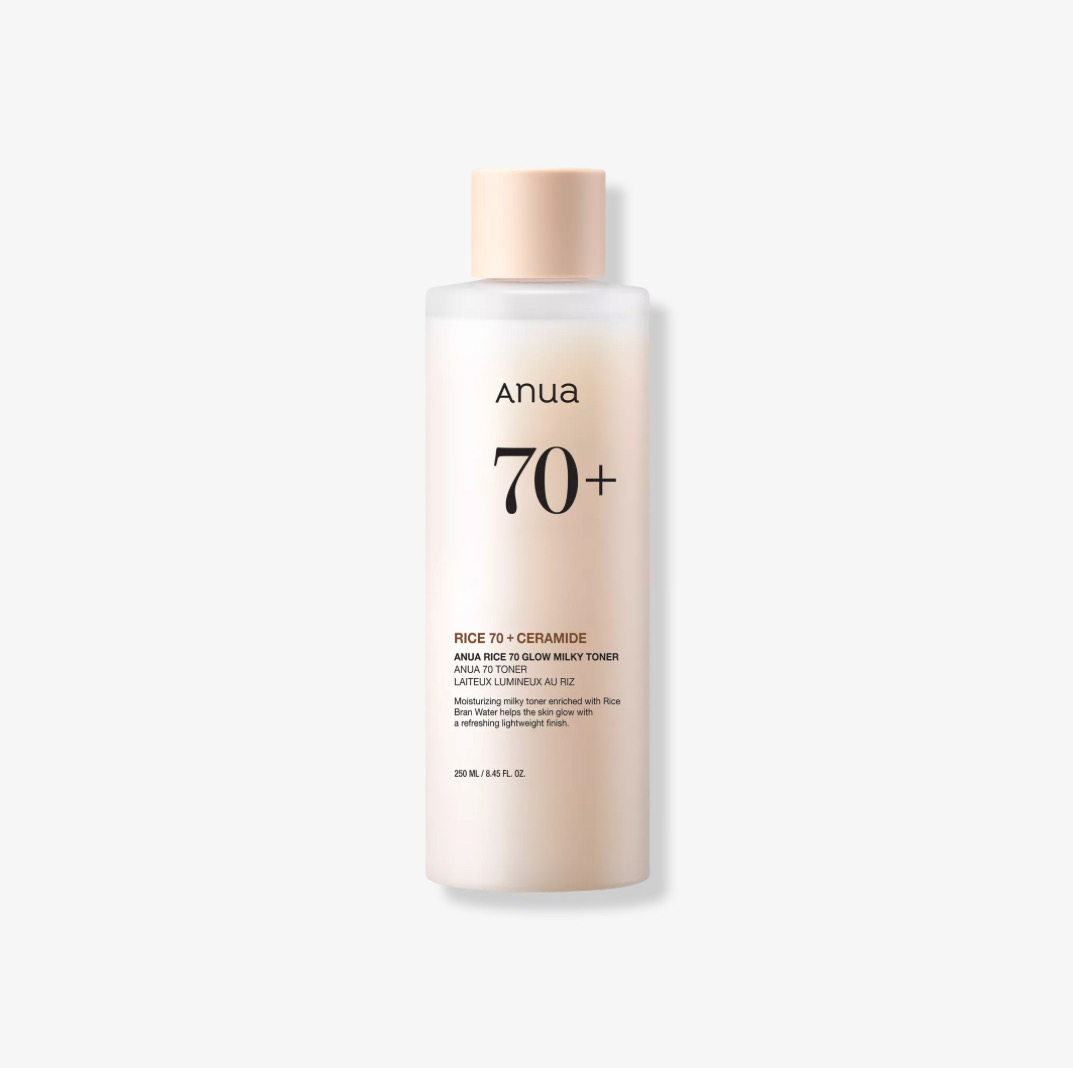
Step 2: Hydrating Toner
Hydrating your skin is essential for keeping your skin’s barrier
A good Korean toner should:
- Add moisture to your skin
- Soothe skin
- Help your skin absorb treatment products better
Toners that do not have fragrances are often preferred for skin that is prone to discoloration.
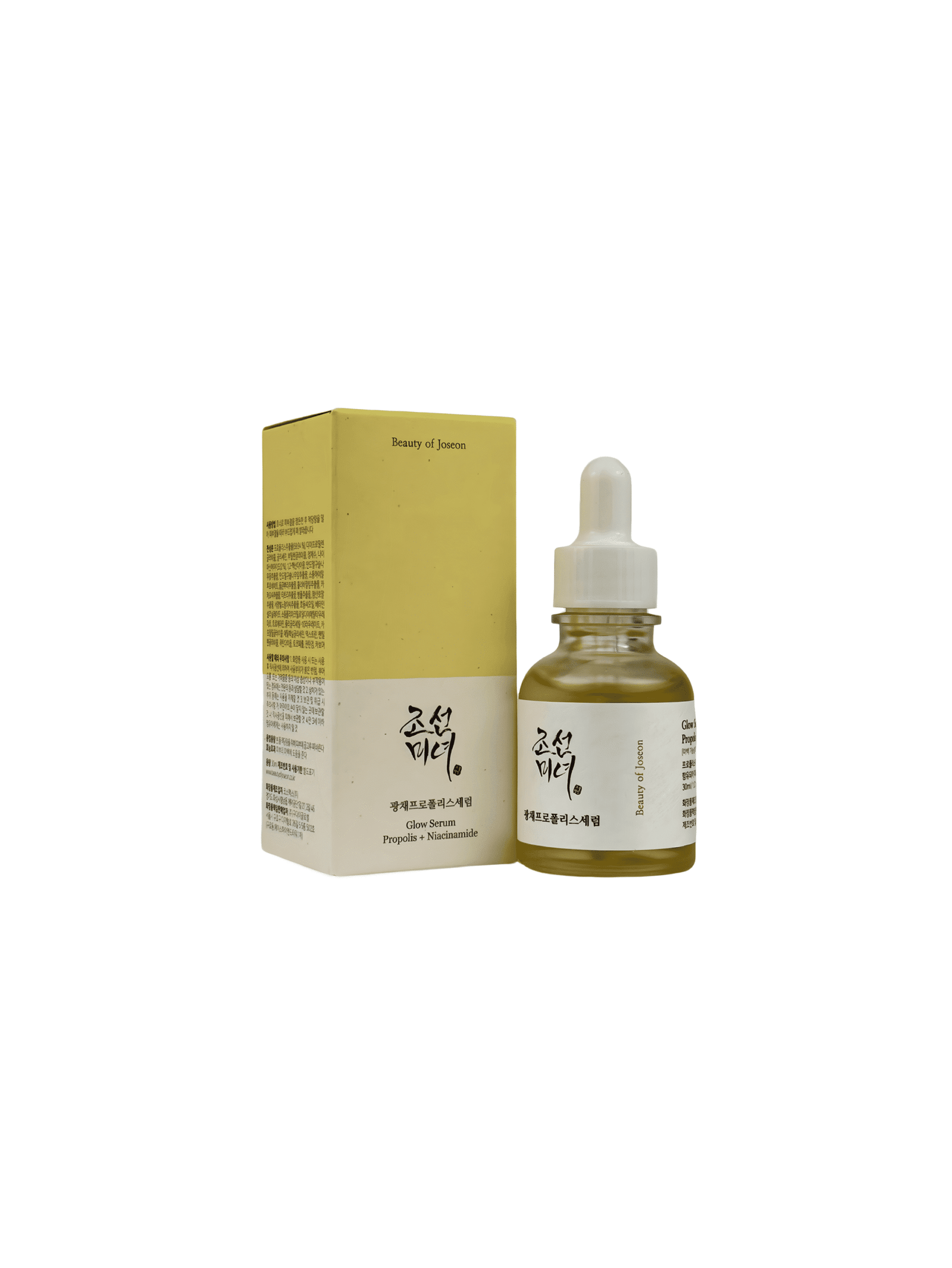
Step 3: Brightening Treatment Serum
This is the important treatment step.
Look for serums that contain:
- Tranexamic Acid
- Niacinamide
- Vitamin C
- Alpha Arbutin
- Azelaic Acid
These ingredients target melasma in ways that make them really effective when you use them consistently.
Step 4: Lightweight Moisturizer
Many people make the mistake of skipping moisturizer when they are dealing with discoloration.
A lightweight moisturizer can help:
- Support your skin’s barrier
- Reduce irritation
- Make your skin more tolerant of ingredients
- Keep your skin hydrated
Healthy skin heals and responds to treatments
Step 5: Sunscreen (The Important Step)
If there is one product you should never skip, it is sunscreen.
Being out in the sun is one of the triggers for melasma, and it can quickly undo months of progress.
Choose a broad-spectrum sunscreen that offers:
- SPF 30 to SPF 50
- Protection from UVA and UVB rays
- Comfortable to wear every day
Many Korean sunscreens also contain ingredients that brighten your skin and have textures that make it easy to use them every day.
How Long Does Korean Skincare Take to Improve Melasma?
It is important to have expectations.
With a routine, you may notice:
Weeks 2–4
- Your skin is more hydrated
- Your skin texture is smoother
- Your complexion is more radiant
Months 3–6
- The melasma patches are fading
- Your skin tone is even
- Discoloration is less noticeable
Up to 12 Months
- You will see continued improvement
- You will be better able to prevent melasma from coming
- Your skin will be brighter in the run
Because melasma is a chronic condition that can recur, it is essential to maintain your routine even after you see improvement.
Common Mistakes That Make Melasma Worse
Many people unintentionally worsen their discoloration.
Skipping sunscreen
The best brightening serum cannot overcome the damage caused by daily sun exposure.
Using Many Active Ingredients
Combining multiple strong acids and treatments can irritate your skin, which can lead to more discoloration.
Picking at Your Skin
Irritating your skin can increase production and make discoloration worse.
Expecting Overnight Results
Melasma requires patience. Most studies look at how pigmentation improves over months, not weeks.
Additional Ingredients Worth Considering
There are new ingredients that show promise for managing discoloration.
Alpha Arbutin
It can help stop melanin production while being relatively gentle.
Glutathione
It is an antioxidant that supports brighter, more even skin.
Brightening Peptides
New peptides may help:
- Regulate pigmentation pathways
- Reduce melanin transfer
- Support skin repair
These ingredients are increasingly being used in serums and treatment products.
When to See a Dermatologist
While many cases of melasma can be improved with skincare, some may require treatment.
You should consider seeing a dermatologist if:
- Your melasma does not improve after 3–4 months
- The discoloration continues to spread
- Over-the-counter products do not work
- You think hormonal changes are causing your melasma
- Professional options may include:
- Chemical peels
- Prescription treatment
- Laser procedures
- Combination therapies
These treatments should always be done under the supervision of a professional for people with darker skin tones.
Final Thoughts: Is Skincare Good for Melasma?
The answer is yes. The best Korean skincare for melasma combines barrier-supporting formulas with scientifically backed brightening ingredients like tranexamic acid, niacinamide, vitamin C, azelaic acid, and kojic acid.
Unlike relying on harsh treatments, Korean skincare focuses on gradual improvement, hydration, and prevention, which is perfect for long-term melasma management.
Remember that sunscreen is the foundation of every pigmentation routine. When you combine it with the use of targeted ingredients and realistic expectations, Korean skincare can really improve melasma and promote healthier, more radiant skin overall.
If you are looking to build a routine in 2026, prioritize hydration, barrier support, brightening ingredients, and daily sun protection. With patience and consistency, you can see improvement.