If you’ve spent any time exploring Asian beauty, you’ve probably wondered whether Japanese or Korean skincare is the better choice. Both J-Beauty and K-Beauty have gained global popularity for their effective formulations, innovative ingredients, and focus on long-term skin health.
Yet, despite their similarities, these two skincare philosophies take very different approaches to achieving healthy, beautiful skin.
So, when it comes to Japanese vs Korean skincare, which one should you choose?
The truth is that neither is universally better. Instead, each offers unique benefits depending on your skin type, lifestyle, budget, and skincare goals.
While Japanese skincare emphasizes simplicity, consistency, and timeless formulations, Korean skincare is known for innovation, customization, and trend-driven products.
In this guide, we’ll explore the key differences between Japanese and Korean skincare routines, ingredients, philosophies, and results to help you determine which approach is best for your needs.
Japanese vs Korean Skincare: Key Differences
At first glance, Japanese and Korean skincare may seem very similar. Both prioritize hydration, sun protection, and prevention rather than waiting for skin concerns to develop.
However, their core philosophies differ significantly.
Japanese skincare focuses on minimalism and refinement. The goal is to maintain healthy skin through a streamlined routine built around high-quality products and proven ingredients.
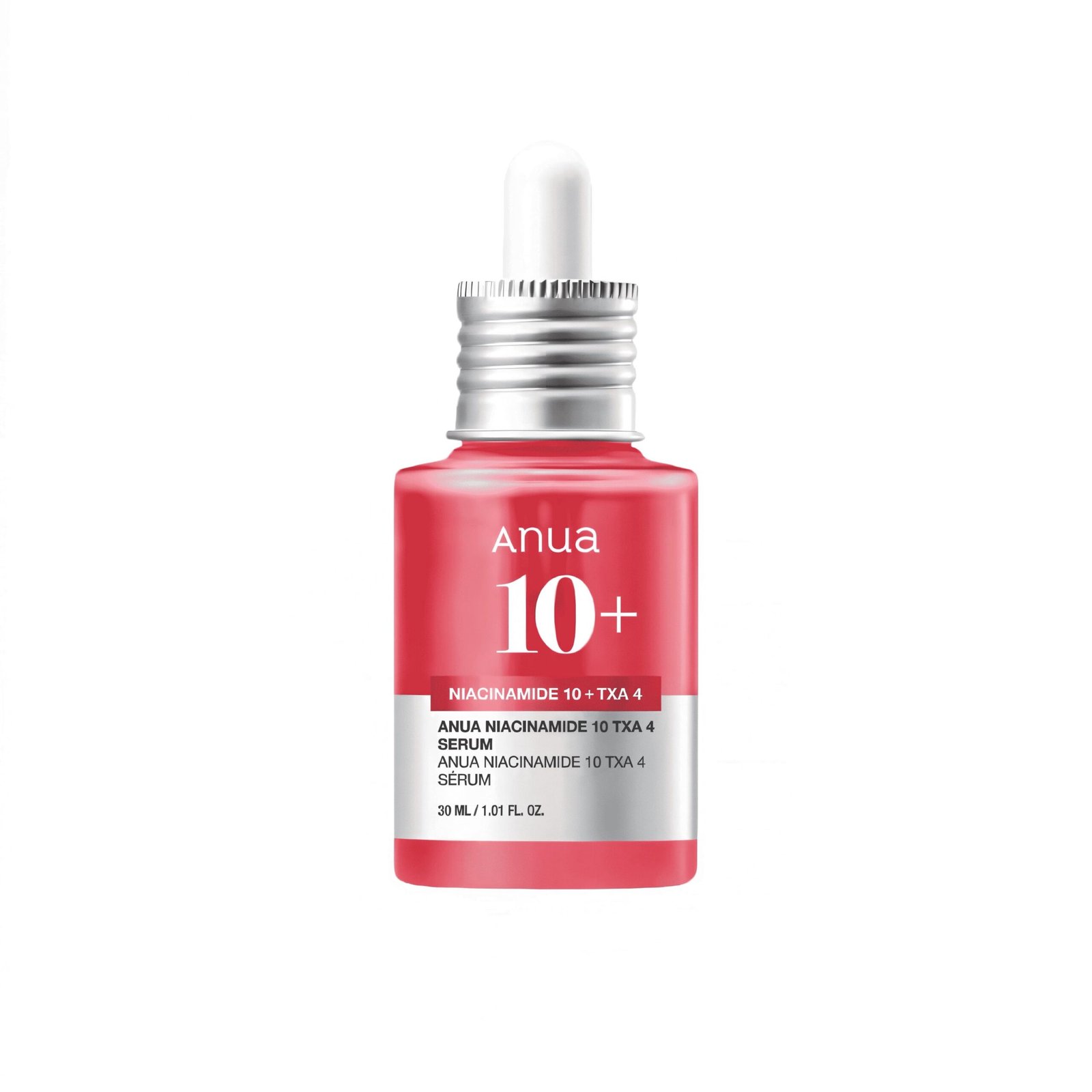
Korean skincare, on the other hand, emphasizes customization and innovation. Products are layered strategically to address specific concerns such as acne, pigmentation, dryness, or signs of aging.
In simple terms:
- J-Beauty focuses on simplicity and consistency.
- K-Beauty focuses on personalization and experimentation.
- Japanese skincare values long-term reliability.
- Korean skincare embraces rapid innovation and trends.
Understanding these differences is the first step in deciding whether Japanese or Korean skincare aligns better with your skincare philosophy.
Japanese Skincare Routine vs Korean Skincare Routine
One of the most noticeable distinctions between J-Beauty and K-Beauty is the structure of the skincare routine itself.
Japanese Skincare Routine
The traditional Japanese skincare routine typically consists of four to six steps:
- Oil cleanser
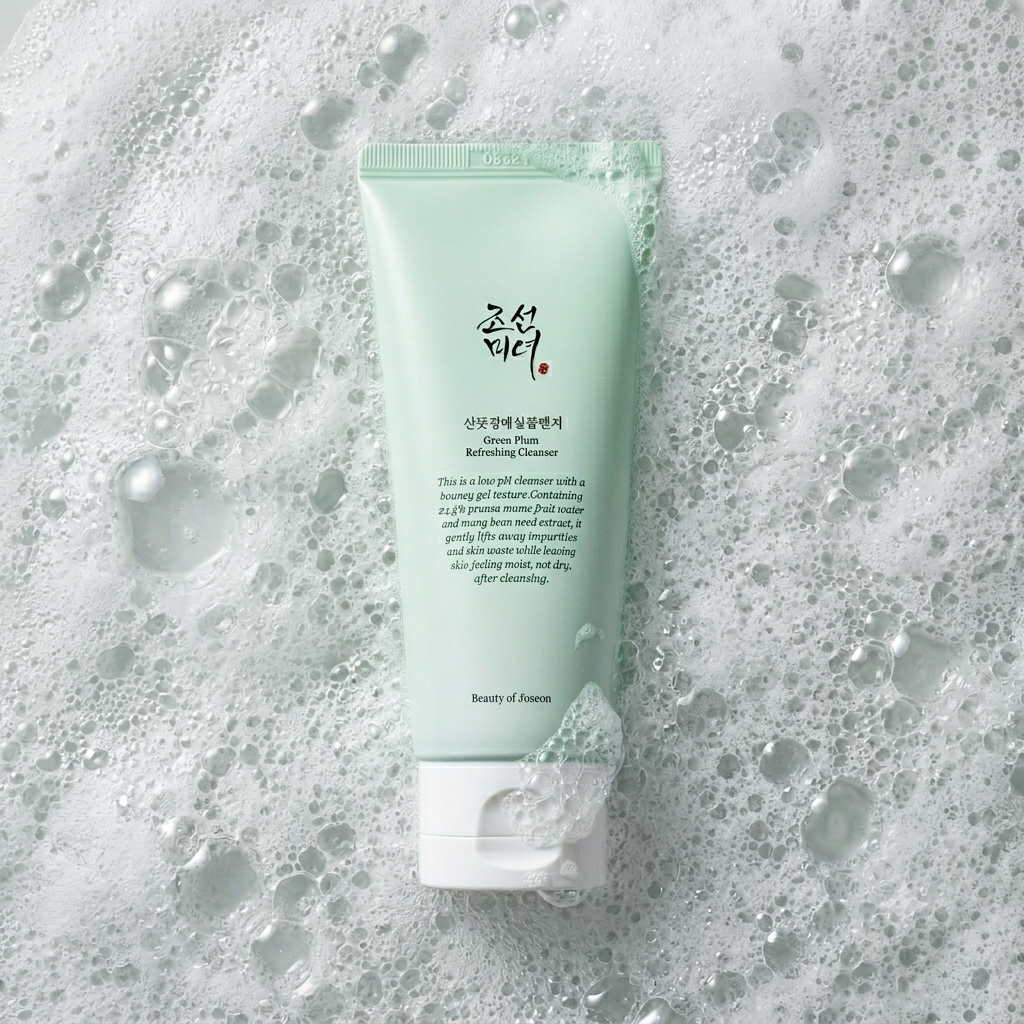
- Foam cleanser
- Hydrating lotion or softener
- Essence or serum
- Emulsion or moisturizer
- Sunscreen
The focus is on thorough cleansing, deep hydration, and skin barrier protection.
Rather than relying on numerous treatment products, Japanese skincare emphasizes consistency and high-quality formulations to maintain skin health over time.
Korean Skincare Routine
The Korean skincare routine is famous for its multi-step approach, often ranging from five to ten steps:
- Oil cleanser
- Water-based cleanser
- Exfoliator
- Toner
- Essence
- Serum or ampoule
- Sheet mask
- Eye cream
- Moisturizer
- Sunscreen
The purpose of this routine is to address multiple skin concerns through targeted products.
While the famous 10-step routine receives a lot of attention, many K-Beauty enthusiasts adapt it to fit their lifestyle and only use the steps their skin actually needs.
Glass Skin vs Mochi Skin: Different Beauty Goals
The contrast between glass skin vs mochi skin perfectly illustrates the differences between Korean and Japanese skincare philosophies.
What Is Glass Skin?
Glass skin is a hallmark of Korean skincare.
The goal is to achieve:
- Intense hydration
- High radiance
- Clear complexion
- Smooth texture
- Dewy finish
Skin appears luminous and reflective, almost as if it glows from within.
This look is achieved through multiple layers of hydration and targeted treatments that boost moisture levels and improve skin clarity.
What Is Mochi Skin?
Mochi skin is the ideal result in Japanese skincare.
Inspired by the soft texture of mochi rice cakes, mochi skin is:
- Smooth
- Plump
- Elastic
- Firm
- Deeply hydrated
Instead of emphasizing shine and radiance, mochi skin prioritizes resilience, softness, and bounce.
While both approaches promote healthy skin, glass skin focuses more on luminosity, while mochi skin emphasizes texture and firmness.
Japanese Skincare Ingredients vs Korean Skincare Ingredients
Ingredients play a major role in distinguishing Japanese and Korean skincare products.
Popular Japanese Skincare Ingredients
Japanese skincare ingredients often combine traditional beauty wisdom with scientifically proven actives.
Some of the most common include:
Rice Bran
Rich in ceramides, rice bran helps strengthen the skin barrier and maintain hydration.
Hyaluronic Acid
Known for its remarkable ability to retain water, hyaluronic acid helps create plump, hydrated skin.
Tranexamic Acid
Frequently used to target hyperpigmentation, dark spots, and uneven skin tone.
Arbutin
A brightening ingredient commonly used to improve discoloration and post-acne marks.
Vitamin C
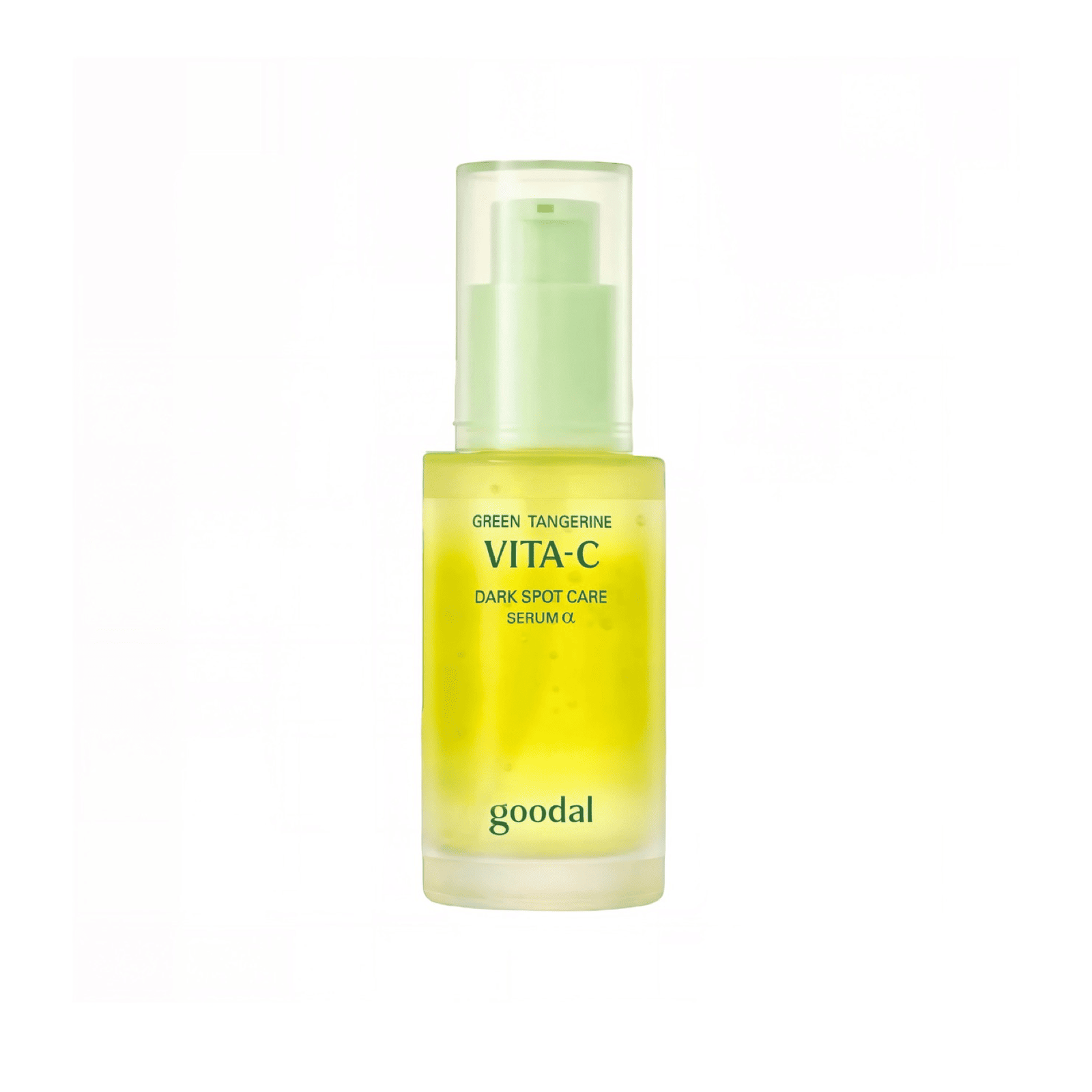
Supports brighter, smoother skin while addressing signs of aging and environmental damage.
These ingredients reflect Japan’s focus on hydration, brightening, and long-term skin maintenance.
Popular Korean Skincare Ingredients
Korean skincare ingredients tend to focus on soothing, repairing, and innovative treatments.
Centella Asiatica (Cica)
Widely used for calming irritated skin and supporting skin barrier repair.
Snail Mucin
A unique ingredient known for hydration, skin regeneration, and improving elasticity.
Niacinamide
A multitasking ingredient that helps improve skin tone, reduce oiliness, and strengthen the skin barrier.
Rice Water
Rich in antioxidants and vitamins that support brighter-looking skin.
Fermented Ingredients
Frequently used to enhance absorption and maximize ingredient effectiveness.
Korean skincare is often among the first to introduce new trending ingredients to the global beauty market.
Product Development: Tradition vs Innovation
Another major difference between Japanese and Korean skincare lies in how products are developed.
Japanese Skincare Philosophy
Japanese brands tend to perfect existing formulations rather than constantly releasing new ones.
Products may remain on the market for decades, receiving gradual improvements over time.
This approach emphasizes:
- Stability
- Safety
- Consistency
- Long-term results
Consumers often remain loyal to the same products for years.
Korean Skincare Philosophy
Korean skincare brands are known for rapid innovation.
New ingredients, textures, and formulations are regularly introduced to meet changing consumer preferences.
This focus on innovation has helped popularize ingredients such as:
- Snail mucin
- Centella asiatica
- Fermented extracts
- Advanced peptide blends
For skincare enthusiasts who enjoy discovering new products, K-Beauty offers endless opportunities to experiment.
Japanese or Korean Skincare for Different Skin Types
Choosing between Japanese and Korean skincare often comes down to your individual skin concerns.
For Dry Skin
Both skincare philosophies prioritize hydration, but Japanese skincare may appeal more to those seeking a simpler routine focused on moisture retention and barrier support.
For Sensitive Skin
Japanese skincare’s minimalist approach and emphasis on proven ingredients often make it appealing for sensitive skin types.
However, Korean skincare also offers many soothing products featuring centella asiatica and calming plant extracts.
For Oily Skin
Korean skincare tends to provide a wider range of products targeting oil control, enlarged pores, and acne-prone skin.
For Aging Skin
Both approaches perform well.
Japanese skincare focuses heavily on prevention and maintaining skin resilience, while Korean skincare frequently incorporates innovative anti-aging ingredients and targeted treatments.
Japanese Skincare Brands vs Korean Skincare Brands
The reputation of both Japanese skincare brands and Korean skincare brands has contributed significantly to their worldwide popularity.
Japanese brands are often associated with:
- Heritage
- Scientific research
- Premium quality
- Consistency
Korean brands are known for:
- Accessibility
- Innovation
- Affordable pricing
- Trend-driven formulations
Both offer excellent products across multiple price points, making them accessible to a wide range of consumers.
Price Comparison: Which Offers Better Value?
One reason both J-Beauty and K-Beauty have become so popular globally is their strong value proposition.
Japanese Skincare Pricing
Japanese products often occupy the mid-to-premium market.
Consumers are paying for:
- Research and development
- Product refinement
- High-quality formulations
- Long-term reliability
Korean Skincare Pricing
Korean skincare is widely recognized for offering advanced formulations at affordable prices.
Benefits include:
- Lower average prices
- Frequent promotions
- Wide product selection
- Easier experimentation
For shoppers looking to build a complete routine without spending heavily, K-Beauty often offers more options.
Can You Combine Japanese and Korean Skincare?
Absolutely.
Many skincare enthusiasts combine products from both traditions to create a personalized routine.
For example:
- A Japanese cleansing oil can provide gentle yet effective cleansing.
- A Korean essence can add layers of hydration.
- A Japanese sunscreen can offer daily protection.
- A Korean serum can target specific concerns like pigmentation or acne.
Because both approaches emphasize hydration and skin health, many products work well together.
Combining the strengths of both philosophies allows you to create a skincare routine tailored to your unique needs.
Why Are Both Japanese and Korean Skincare So Effective?
The success of both skincare systems comes down to several shared principles:
Prevention Over Correction
Rather than waiting for skin issues to develop, both cultures emphasize maintaining healthy skin from an early age.
Gentle Daily Care
Neither approach relies heavily on harsh treatments or aggressive exfoliation.
Strong Focus on Hydration
Hydration remains the foundation of healthy, resilient skin.
Advanced Formulation Science
Both countries invest heavily in skincare research and product development.
Consistency
Perhaps most importantly, both philosophies recognize that healthy skin is achieved through consistent daily care rather than quick fixes.
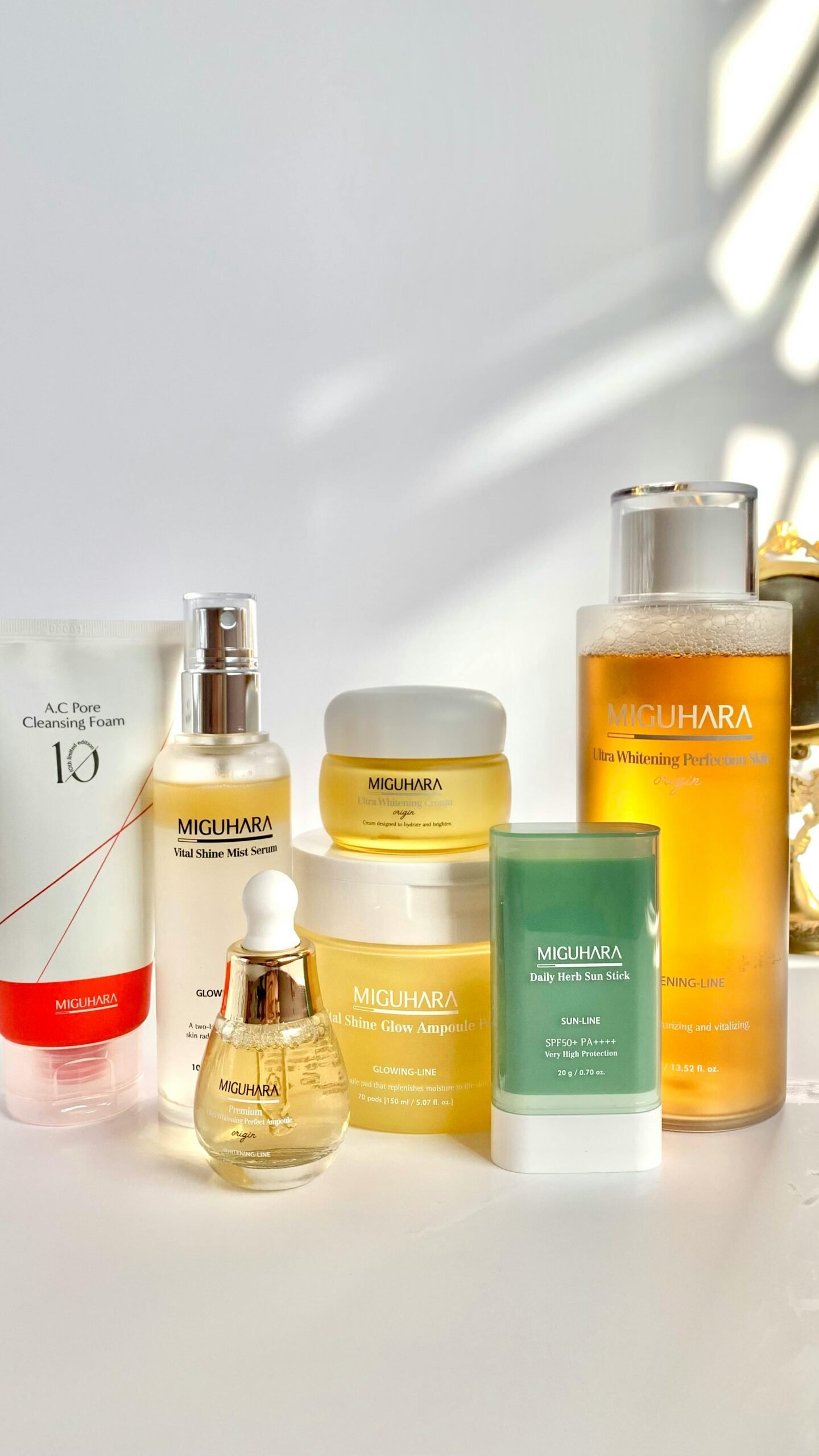
So, Which Is Better: Japanese or Korean Skincare?
When comparing Japanese or Korean skincare, there is no universal winner.
If you value:
- Simplicity
- Minimal routines
- Proven ingredients
- Long-term consistency
Then Japanese skincare may be the better fit.
If you enjoy:
- Trying new products
- Addressing specific skin concerns
- Layering skincare
- Following beauty innovations
Then Korean skincare may suit you better.
Ultimately, the best skincare routine is the one you can maintain consistently and that meets your skin’s unique needs.
Many people find that combining elements of both J-Beauty and K-Beauty gives them the best of both worlds.
Whether your goal is achieving radiant glass skin or soft, bouncy mochi skin, both Japanese and Korean skincare offer effective paths to healthier, more beautiful skin.