
If you’ve ever applied a new skincare product only to be greeted by redness, stinging, or itchy dry patches, you’re not alone. Finding soothing, natural skincare for sensitive skin can feel overwhelming when so many products promise gentle results but leave your skin feeling worse.
The good news is that a thoughtful routine built around skin-friendly, natural ingredients can help calm irritation, strengthen your skin barrier, and keep flare-ups to a minimum.
By understanding which ingredients nourish sensitive skin and which ones to avoid, you can create a simple routine that keeps your complexion healthy, comfortable, and balanced.
Why Sensitive Skin Needs Extra Care
Sensitive skin is more reactive than normal skin. Instead of tolerating environmental stressors and skincare products with ease, it often responds with redness, burning, itching, dryness, or irritation.
This usually happens because the skin barrier, the outermost protective layer of your skin, is weakened. When the barrier isn’t functioning properly, moisture escapes more easily, while irritants, allergens, and pollutants penetrate the skin more readily.
Several factors can contribute to sensitive skin, including:
- Genetics
- Over-exfoliation
- Harsh skincare ingredients
- Weather changes
- Pollution
- Stress
- Certain skin conditions, like eczema or rosacea
Supporting the skin barrier should always be the primary goal of any skincare routine designed for sensitive skin.
Why Natural Ingredients Are Better for Sensitive Skin
Natural skincare isn’t automatically better simply because it’s plant-based, but many botanical ingredients have soothing, hydrating, and anti-inflammatory properties that work alongside your skin instead of overwhelming it.
Unlike harsh detergents or heavily fragranced formulas, carefully selected natural ingredients can:
- Calm redness and irritation
- Improve hydration
- Strengthen the skin barrier
- Reduce inflammation
- Support long-term skin health
The key is choosing products that combine gentle botanical ingredients with simple, fragrance-free formulations.
The Best Natural Ingredients for Sensitive Skin
Not every natural ingredient is suitable for reactive skin, but several have earned a reputation for being particularly gentle and effective.
Aloe Vera: Nature’s Instant Soother
Aloe vera is one of the most trusted ingredients for calming irritated skin.
Its cooling gel provides immediate relief from redness while helping to replenish moisture. Rich in vitamins, antioxidants, and polysaccharides, aloe vera also supports the skin’s natural healing process.
Benefits include:
- Soothes irritation
- Reduces redness
- Hydrates dry skin
- Supports skin barrier repair
Aloe vera is especially helpful after sun exposure or during seasonal flare-ups.
Chamomile: Calm for Your Skin
Chamomile isn’t just relaxing in tea; it’s equally beneficial in skincare.
Rich in natural flavonoids and antioxidants, chamomile helps reduce inflammation and calm reactive skin. People with redness, rosacea-prone skin, or occasional irritation often find chamomile particularly soothing.
Chamomile may help:
- Reduce inflammation
- Calm redness
- Relieve skin discomfort
- Protect against environmental stress
Calendula: Gentle Healing Support
Calendula has been used in traditional skincare for generations thanks to its soothing and restorative properties.
It’s ideal for skin that’s dry, irritated, or recovering from environmental damage.
Calendula helps:
- Support skin healing
- Reduce visible redness
- Improve skin comfort
- Nourish dry patches
It’s commonly found in moisturisers designed for delicate or sensitive complexions.
Colloidal Oatmeal: Barrier Protection at Its Best
Colloidal oatmeal is one of the most dermatologist-recommended ingredients for sensitive skin.
It creates a protective layer over the skin while helping lock in moisture. It also gently cleanses without stripping away the skin’s natural oils.
Colloidal oatmeal is particularly beneficial for:
- Dry skin
- Itchy skin
- Eczema-prone skin
- Barrier repair
Rose Hydrolat: Gentle Hydration
Rose hydrolat, often called rose water, is produced through steam distillation of rose petals.
Unlike alcohol-based toners, pure rose hydrolat helps balance the skin while calming irritation and providing lightweight hydration.
It can:
- Refresh sensitive skin
- Reduce inflammation
- Balance skin pH
- Prepare skin for moisturiser
Shea Butter: Deep Nourishment Without Irritation
Shea butter provides long-lasting moisture while helping reinforce the skin barrier.
Despite its rich texture, high-quality shea butter is generally well tolerated by sensitive skin and helps soften rough, dry areas without clogging pores.
Ingredients to Avoid if You Have Sensitive Skin
Knowing what to avoid is just as important as knowing what to use.
Fragrance
Fragrance is one of the leading causes of cosmetic irritation.
Both synthetic fragrances and certain natural essential oils can trigger redness, itching, or stinging in reactive skin.
Choosing fragrance-free skincare is often one of the easiest ways to minimise irritation.
Sulphates (SLS and SLES)
Sulphates are cleansing agents commonly used to create rich foam.
Unfortunately, they can also strip away your skin’s natural protective oils, leaving the barrier compromised and more vulnerable to irritation.
Drying Alcohols
Ingredients such as denatured alcohol or SD alcohol may make products feel lightweight, but they often dry out sensitive skin and increase discomfort.
Parabens and Phenoxyethanol
These preservatives are widely used in cosmetics. While many products containing them are considered safe within regulated limits, some people with highly reactive skin may find simpler preservative systems better tolerated.
Strong Essential Oils
Although essential oils are natural, that doesn’t automatically make them suitable for sensitive skin.
Peppermint, citrus, tea tree, and similar oils may trigger stinging or redness in very reactive skin.

How to Build a Gentle Skincare Routine
One of the biggest mistakes people make is using too many products.
Sensitive skin often responds best to consistency rather than complexity.
Step 1: Cleanse Gently
Choose a mild, soap-free cleanser that removes dirt without disrupting your skin barrier.
Avoid:
- Harsh scrubs
- Strong foaming cleansers
- Over-cleansing
Wash with lukewarm water instead of hot water to prevent unnecessary irritation.
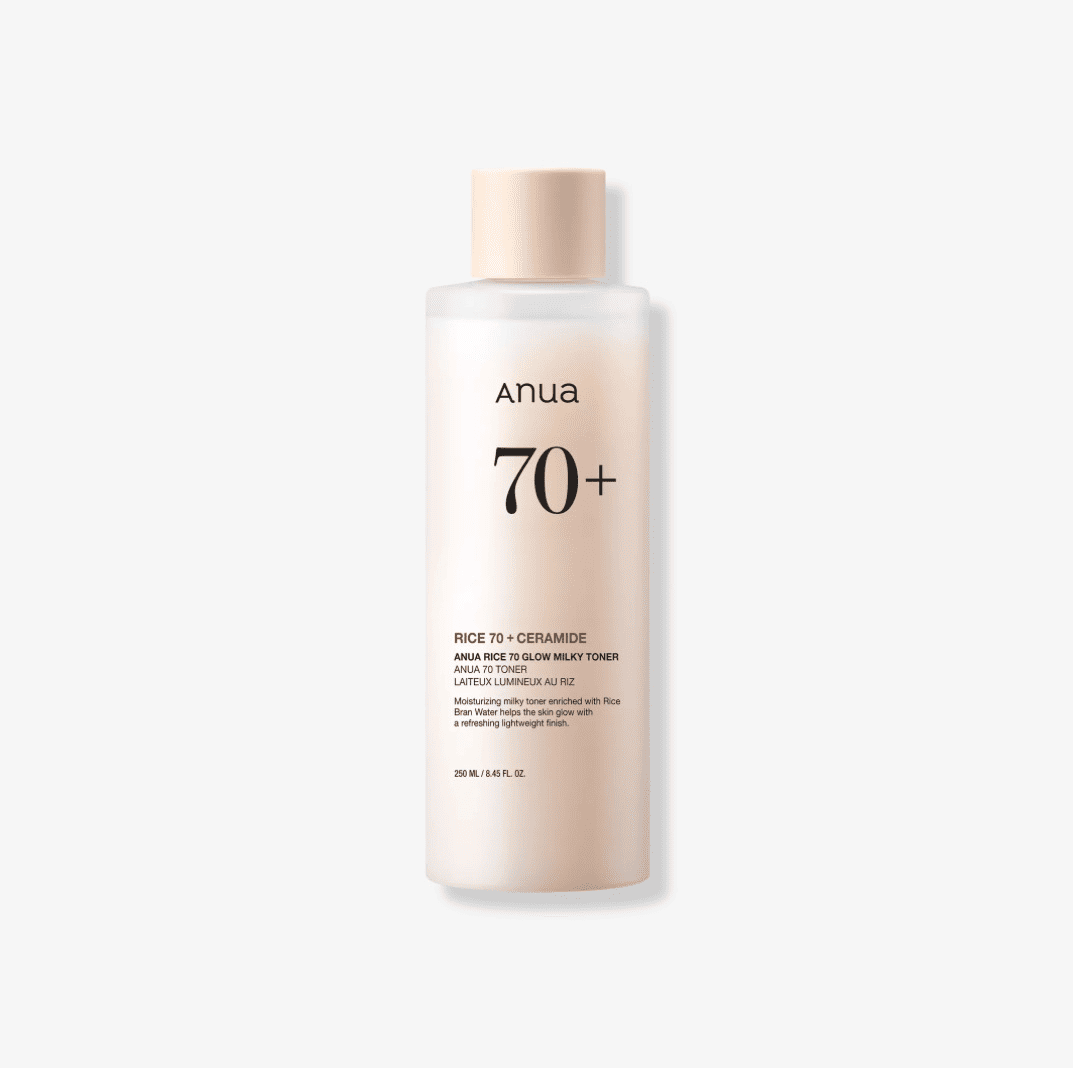
Step 2: Apply a Soothing Toner
If you enjoy using a toner, opt for alcohol-free formulas containing ingredients like rose hydrolat or aloe vera.
These help refresh the skin without causing dryness.
Step 3: Moisturise Daily
Hydration is essential for repairing the skin barrier.
Look for moisturisers containing:
- Calendula
- Colloidal oatmeal
- Shea butter
- Ceramides
- Hyaluronic acid
- Jojoba oil
- Rosehip oil
A well-formulated moisturiser helps lock in hydration while protecting the skin throughout the day.
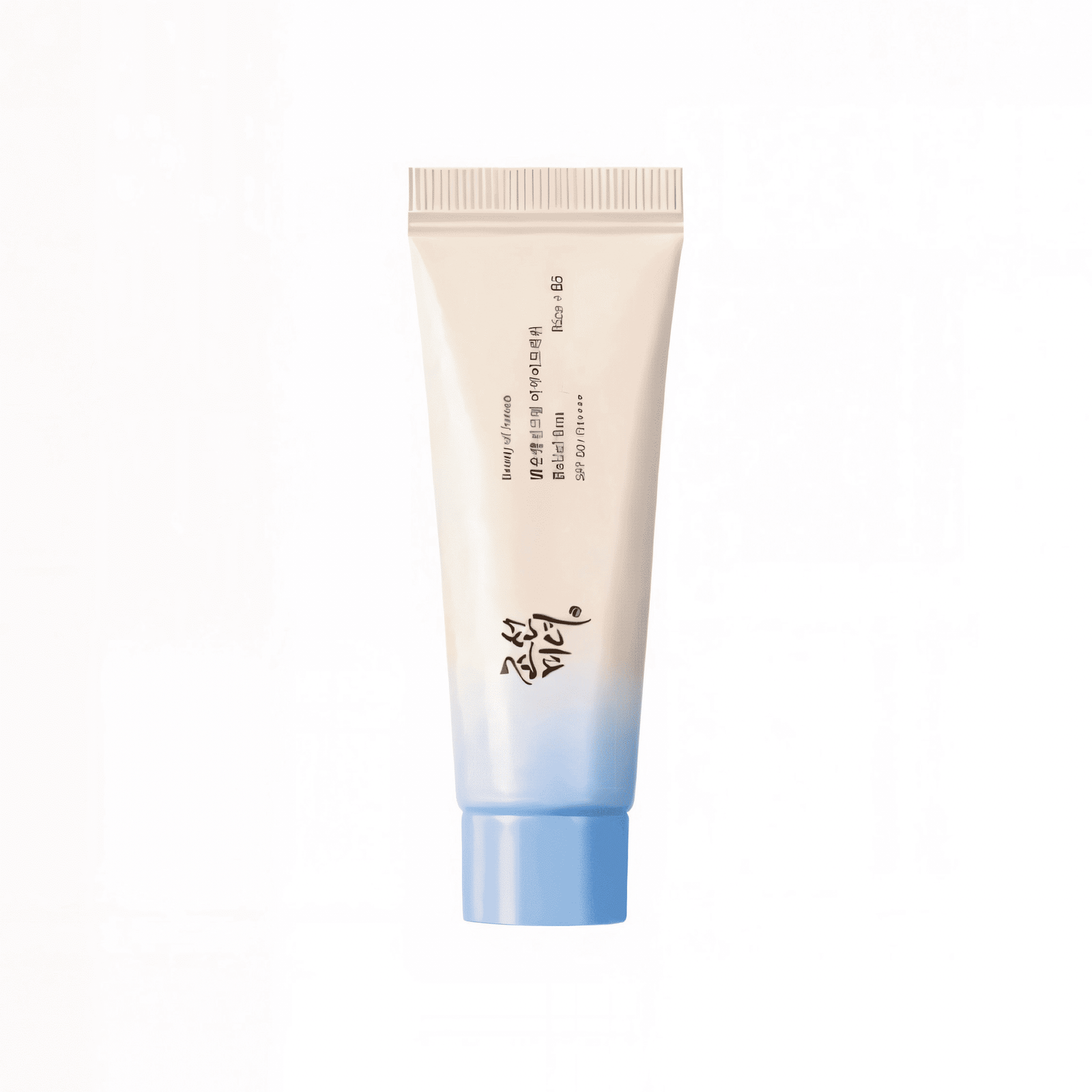
Step 4: Never Skip Sunscreen
Sun exposure can worsen redness and sensitivity.
Mineral sunscreens containing zinc oxide or titanium dioxide are often better tolerated than chemical filters because they sit on top of the skin rather than being absorbed.
Keep Your Routine Simple
One of the most effective approaches to soothing natural skincare for sensitive skin is embracing a minimalist routine.
Instead of using ten products, focus on a few essentials:
- Gentle cleanser
- Hydrating moisturiser
- Mineral sunscreen
- Optional calming toner
Using fewer products makes it easier to identify potential triggers and allows your skin to recover.
Introduce New Products Slowly
Even gentle skincare deserves a careful introduction.
Whenever you try a new product:
- Perform a patch test for 24 hours.
- Introduce only one new product at a time.
- Wait at least a week before adding another.
This approach makes it much easier to identify ingredients that your skin loves or dislikes.
Natural Skincare Tips for Common Sensitive Skin Concerns
For Dry, Tight Skin
Focus on ingredients that deeply hydrate while reinforcing the skin barrier, including:
- Colloidal oatmeal
- Shea butter
- Aloe vera
- Ceramides
Avoid over-cleansing, which can worsen dryness.
For Redness
Choose calming botanical ingredients such as:
- Chamomile
- Calendula
- Aloe vera
- Rose hydrolat
These ingredients help reduce visible redness while improving overall skin comfort.
For Eczema-Prone Skin
People with eczema often benefit from fragrance-free skincare combined with colloidal oatmeal and rich moisturisers that help reduce moisture loss.
For Rosacea-Prone Skin
Keep routines simple and avoid common triggers such as:
- Fragrance
- Alcohol
- Harsh exfoliants
- Strong essential oils
Gentle hydration and mineral sunscreen can help minimise flare-ups.
Common Mistakes to Avoid
Even the best ingredients won’t help if your skincare habits work against your skin.
Avoid these common mistakes:
- Using too many active ingredients
- Over-exfoliating
- Washing with hot water
- Frequently changing products
- Choosing heavily fragranced skincare
- Ignoring sunscreen
Consistency is often more effective than constantly searching for the next miracle product.
Frequently Asked Questions
Is natural skincare always safe for sensitive skin?
Not necessarily. Some natural ingredients, including certain essential oils, can still irritate sensitive skin. Always choose products with simple ingredient lists and patch test before regular use.
How long does it take to see improvements?
Most people notice healthier, calmer skin within four to six weeks of consistently following a gentle skincare routine, although results vary depending on individual skin concerns.
Can I exfoliate sensitive skin?
Yes, but gently and infrequently. Avoid harsh physical scrubs and aggressive exfoliating acids. Once every week or two is often enough for many people with sensitive skin.
Should I use fragrance-free skincare?
Yes. Fragrance is one of the most common skincare irritants. Choosing fragrance-free products significantly reduces the risk of reactions.
Can sensitive skin benefit from botanical ingredients?
Absolutely. Ingredients like aloe vera, chamomile, calendula, colloidal oatmeal, and rose hydrolat are widely recognised for their soothing and skin-supporting properties when used in well-formulated products.
Final Thoughts
Creating an effective routine for sensitive skin doesn’t require dozens of products or complicated regimens. The secret to soothing natural skincare for sensitive skin is choosing gentle, nourishing ingredients that strengthen your skin barrier while avoiding common irritants like fragrance, sulphates, drying alcohols, and overly harsh formulations.
By focusing on proven botanical ingredients such as aloe vera, chamomile, calendula, colloidal oatmeal, rose hydrolat, and shea butter, you can help your skin feel calmer, healthier, and more resilient over time. Pair these ingredients with a simple routine, consistent hydration, and daily sun protection, and you’ll give your sensitive skin exactly what it needs to thrive.
Remember, healthy skin is rarely achieved overnight. Patience, consistency, and thoughtfully chosen products will always deliver better long-term results than chasing quick fixes. Listen to your skin, introduce products gradually, and let gentle, natural skincare become the foundation of your daily routine.