
If your skin suddenly feels tight, flaky, red, itchy, stingy, or unusually sensitive, adding another strong active may be the last thing you need.
The better approach is often Korean skincare for skin barrier repair: a simplified routine built around gentle cleansing, hydration, soothing ingredients, moisturization, and daily sun protection. This approach is particularly relevant for sensitive skin.
The goal isn’t to use the most products possible. It is to help your damaged skin barrier become comfortable and resilient again.
Korean skincare works particularly well with this approach because many K-beauty routines emphasize gentle formulas, layered hydration, soothing botanical ingredients, and barrier-supportive moisturizers.
Despite the popularity of 10-step routines, a damaged skin barrier usually benefits from less stimulation, not more products.
In this guide, you’ll learn how to recognize a compromised skin barrier, which Korean skincare ingredients to look for, what to avoid, how to build a simple barrier-repair routine, and which Korean skincare products available at MoskinLocker fit different skin types.
Quick Answer: What Is the Best Korean Skincare for Skin Barrier Repair?
The best Korean skincare routine for a compromised skin barrier is usually simple:
Gentle cleanser → soothing/hydrating toner → optional hydrating serum → barrier-supportive moisturizer → sunscreen in the morning.
Look for ingredients such as ceramides, panthenol, hyaluronic acid, glycerin, centella asiatica, beta-glucan, squalane, and other skin-compatible lipids or humectants.
If your skin is actively irritated, prioritize comfort over exfoliation. Strong acids, scrubs, frequent retinoid use, and excessive product layering can make an already reactive routine harder to tolerate.
Most importantly, hydration and soothing are not the same as barrier repair. A toner can add water and calming ingredients, but a moisturizer is often the more important step for reducing moisture loss and supporting the skin barrier.
What Is the Skin Barrier?
The skin barrier is the outer protective layer of the skin, primarily associated with the stratum corneum. It helps limit water loss while protecting the skin underneath from environmental stressors and irritants.
The barrier contains skin cells surrounded by lipids, including ceramides, cholesterol, and fatty acids. Think of the structure as a protective wall: the cells provide the “bricks,” while lipids help fill the spaces between them.
When the barrier is functioning normally, skin tends to feel comfortable, hydrated, smooth, and relatively resilient.
When it becomes compromised, even products you’ve used for months may suddenly sting.
Common signs of a damaged skin barrier
- Dry, flaky, or peeling skin
- Tightness after cleansing
- Persistent redness
- Itching or discomfort
- Increased sensitivity
- Rough or uneven texture
- Stinging when applying skincare
- Skin that looks oily but feels dehydrated
- Breakouts accompanied by irritation
If these symptoms appear after you’ve increased exfoliation or added several new actives, simplifying your routine may be more useful than adding another treatment.
What Causes a Damaged Skin Barrier?
Understanding the cause is just as important as choosing the right products.
1. Over-Exfoliation
Frequent use of AHAs, BHAs, scrubs, peeling treatments, or other exfoliants can leave irritated skin less comfortable and more sensitive.
Exfoliation isn’t inherently bad, but frequency and tolerance matter. If your skin is already stinging or peeling, temporarily reducing exfoliation makes sense.
2. Too Many Active Ingredients
Retinoids, vitamin C, exfoliating acids, and other active ingredients can have a place in a skincare routine. Problems often arise when several potent products are introduced together or used too frequently.
A barrier-repair phase is a good time to simplify rather than experiment.
3. Over-Cleansing
Cleansing removes dirt, sunscreen, makeup, and excess oil, but excessive cleansing can leave dry or sensitive skin feeling stripped.
Use lukewarm water and a gentle cleanser rather than hot water and aggressive rubbing.
4. Environmental Stress
UV exposure, dry air, cold weather, heat, and pollution can all contribute to skin stress.
This is one reason sunscreen remains important even when your primary goal is barrier recovery.
5. Irritating Products
Fragrance and other ingredients can bother some people’s sensitive skin. If you know your skin reacts to a particular ingredient, avoiding it is more useful than following a blanket “natural versus synthetic” rule.
For very dry or sensitive skin, the American Academy of Dermatology recommends paying attention to moisturizing ingredients such as ceramides and hyaluronic acid and avoiding fragrance when it irritates.
Best Korean Skincare Ingredients for Skin Barrier Repair
Instead of choosing products because they are trending, evaluate what their formulas actually contribute to your routine.
Ceramides: The Barrier-Support Essential
Ceramides are naturally occurring lipids found in the skin barrier. Topical ceramide products can help replenish barrier lipids and support moisture retention.
For very dry or compromised skin, a ceramide-containing moisturizer may be more valuable than adding another toner or serum.
Panthenol: Hydration and Comfort
Panthenol, also known as provitamin B5, is commonly used for moisturizing and soothing purposes.
It fits naturally into a minimalist routine because it can provide hydration without requiring an aggressive treatment step.
Hyaluronic Acid and Glycerin: Humectant Hydration
Hyaluronic acid and glycerin are humectants. They help attract and hold water, making them useful for dehydrated skin.
But remember:
Hydration is not identical to barrier repair.
A hydrating toner or serum can help skin feel more comfortable, while a moisturizer helps reduce moisture loss and supports the barrier. Ceramides, humectants, and occlusive ingredients can complement one another in a moisturizer.
Centella Asiatica: Soothing Support
Centella asiatica, often called cica, is widely used in Korean skincare designed for sensitive or stressed skin.
It is particularly relevant when your priority is a calming routine rather than aggressive exfoliation.
Heartleaf: Lightweight Soothing Skincare
Heartleaf, or Houttuynia cordata, is another popular K-beauty ingredient used in soothing-focused formulas.
This makes heartleaf toners particularly interesting for people who want lightweight hydration and a calming step without the richness of a cream.
Squalane: Moisture and Skin Comfort
Squalane is an emollient that can help soften skin and support a comfortable, moisturized feel.
It can be especially useful in richer moisturizers for dry skin.
Best Korean Skincare for Skin Barrier Repair at MoskinLocker
You don’t need an entire 10-step routine to support your skin barrier. The better strategy is to choose one effective product for each essential role: cleanse, hydrate, moisturize, and protect.
Here are the strongest options currently available at MoskinLocker for building that routine.
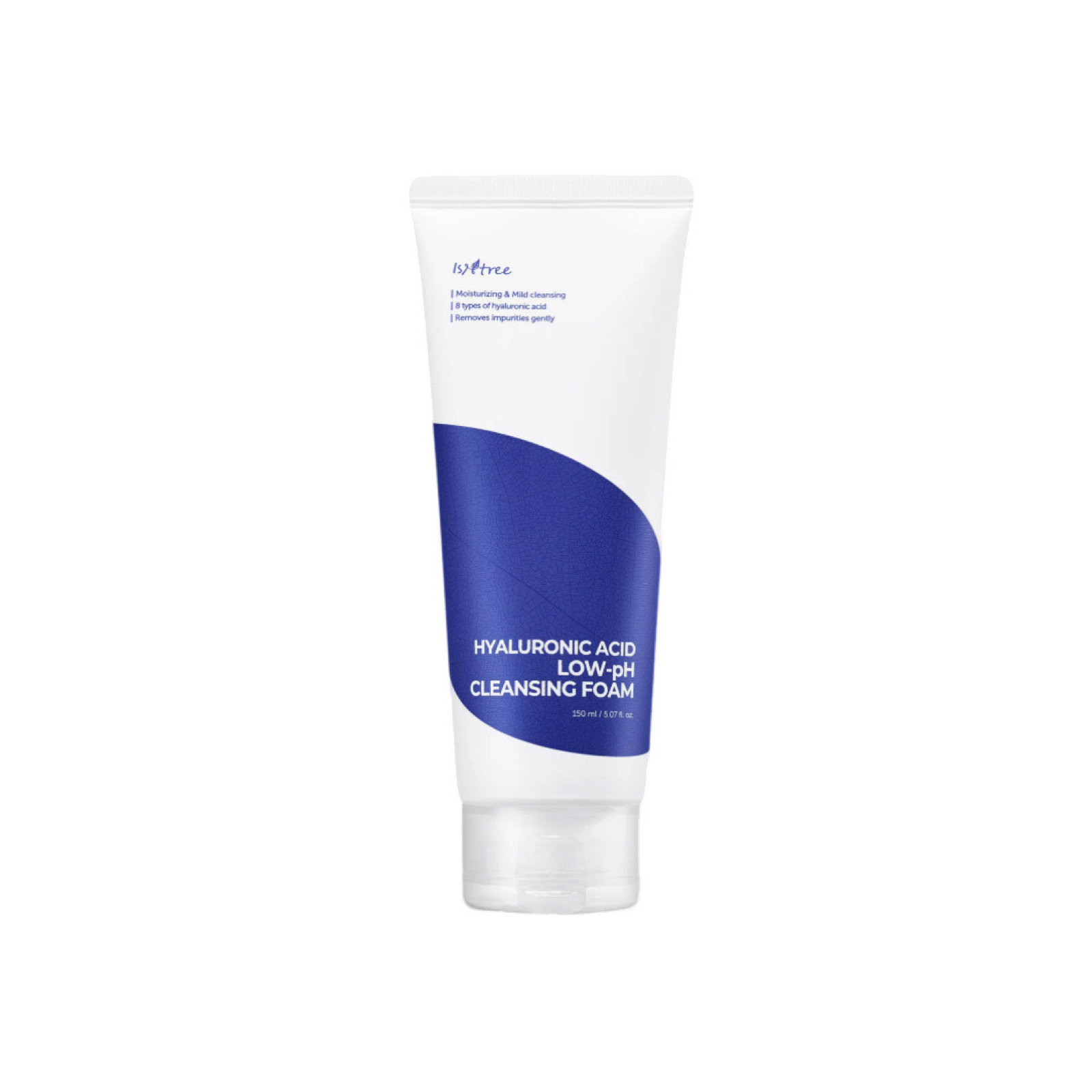
1. Isntree Hyaluronic Acid Low pH Cleansing Foam: Best Gentle Cleanser
The Isntree Hyaluronic Acid Low pH Cleansing Foam is a logical starting point because barrier care begins with cleansing.
Why it fits a barrier-focused routine: it combines cleansing with hydration-focused ingredients rather than making exfoliation the main purpose.
Use lukewarm water and massage gently rather than scrubbing.
Best for: sensitive, dry, dehydrated, normal, combination, and oily skin that prefers a gentle cleanser.
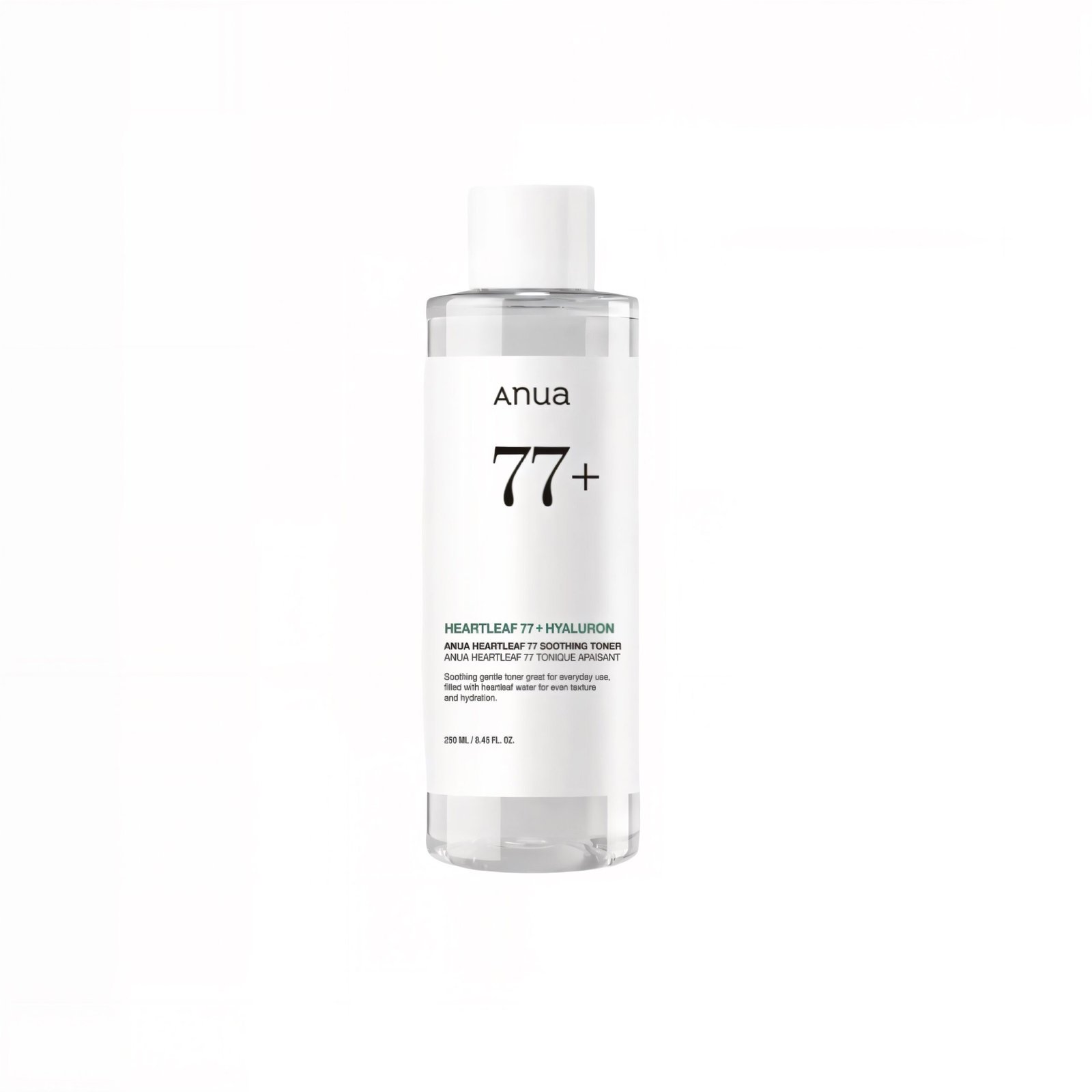
2. Anua Heartleaf 77% Soothing Toner: Best Lightweight Soothing Toner
The Anua Heartleaf 77% Soothing Toner is a particularly relevant option when you want a lightweight hydration step.
It contains 77% Houttuynia cordata (heartleaf) extract, along with glycerin, betaine, panthenol, and centella asiatica in the formula. It is currently listed in a 250ml size.
This makes it more appropriate as a soothing and hydrating toner than as your sole barrier-repair product.
That’s an important distinction.
If your skin is severely dry, peeling, or highly reactive, don’t rely on toner alone. Follow it with a moisturizer designed to help retain moisture.
Apply it gently with your hands if your skin is sensitive; there is no need to repeatedly drag a cotton pad across irritated skin.
Best for: combination, oily, dehydrated, sensitive, and redness-prone skin that prefers lightweight hydration.
3. Beauty of Joseon Dynasty Cream: Best Rich Moisturizer
If your skin is dry, dehydrated, or uncomfortable after cleansing, the Beauty of Joseon Dynasty Cream may be a better investment than adding multiple hydrating serums.
It’s described as a rich formula containing rice bran water, ginseng root water, glycerin, niacinamide, squalane, several forms of hyaluronic acid, and ceramide NP.
It is particularly suited to people who prefer a richer moisturizing finish.
Best for: dry, dehydrated, and normal skin; combination skin that tolerates richer creams.
4. COSRX Birch Sap Oil-Free Ultra Moisturizing Lotion: Best Lightweight Moisturizer
If rich creams feel too heavy, the COSRX Birch Sap Oil-Free Ultra Moisturizing Lotion offers a lighter alternative.
It contains birch sap, glycerin, dimethicone, allantoin, panthenol, sodium hyaluronate, and other moisturizing ingredients. The store specifically categorizes it for oily or combination skin.
This makes it a useful option when you want moisture without a heavy cream texture.
Best for: oily, combination, and dehydrated skin that dislikes rich moisturizers.
5. SKIN1004 Hyalu-Cica Water-Fit Sun Serum SPF50+ PA++++: Best Lightweight SPF
Sunscreen is the final essential step in a daytime barrier-focused routine.
It’s described as a lightweight chemical sunscreen with SPF50+ PA++++ and a serum-like texture, with centella asiatica and hyaluronic acid ingredients.
Choose a sunscreen you will comfortably apply every day. For sensitive skin, pay attention to how your individual skin responds rather than assuming one sunscreen type works for everyone.
Best for: people who prefer a lightweight, hydrating sunscreen texture.
The Best Korean Skin Barrier Repair Routine
The ideal routine depends on how dry or reactive your skin is, but the basic structure is simple.
Morning Skincare Routine
- Gentle cleanse
Use a mild cleanser if you need one. If your skin is extremely dry, you may prefer a lighter morning cleanse.
- Soothing toner
Apply Anua Heartleaf 77% Soothing Toner with clean hands and gently press it into the skin.
- Optional hydrating serum
Only add a serum if your skin tolerates it and actually needs the additional step.
- Moisturizer
Choose a richer cream such as Beauty of Joseon Dynasty Cream for dry skin, or COSRX Birch Sap Lotion for a lighter finish.
- Sunscreen
Finish with broad-spectrum SPF.
Evening Skincare Routine
If you wore makeup or sunscreen:
First cleanse → gentle cleanser → soothing toner → moisturizer
Add one serum only if necessary.
If you didn’t wear makeup or sunscreen and your skin is very dry, you may not need an elaborate double-cleansing routine.
The principle is straightforward:
Clean enough to remove what needs removing, but don’t keep stripping the skin.
Which Korean Barrier-Repair Products Are Best for Your Skin Type?
This is where choosing products becomes much easier.
Skin type | Prioritize | MoskinLocker option |
Dry | Rich moisturizer + hydration | Beauty of Joseon Dynasty Cream |
Dehydrated | Humectants + moisturizer | Anua Toner + Dynasty Cream |
Oily | Lightweight hydration + lotion | Anua Toner + COSRX Birch Sap Lotion |
Combination | Balance hydration and texture | Anua Toner + COSRX Birch Sap Lotion |
Sensitive | Simple, soothing routine | Isntree Cleanser + Anua Toner |
Very dry/compromised | Minimal routine + richer moisturizer | Isntree Cleanser + Dynasty Cream |
Your skin type can also change temporarily when the barrier is compromised. Someone who normally has oily skin may suddenly feel tight and dehydrated, so choose products based on how your skin behaves now, not only how it normally behaves.
What Should You Avoid During Skin Barrier Repair?
When your skin is actively irritated, consider temporarily reducing:
- Strong AHAs and BHAs
- Physical scrubs
- Harsh cleansing brushes
- Retinoids if they are contributing to irritation
- Multiple strong active treatments
- Excessive toner or serum layering
- Fragranced products that irritate your skin
- Constantly changing products
This does not mean AHAs, BHAs, retinoids, or vitamin C are inherently bad skincare ingredients.
It means they may not be the priority while your skin is already struggling.
One important example is the Beauty of Joseon Glow Propolis Serum. Although it contains hydrating and soothing ingredients, its formula also includes 0.5% betaine salicylate (BHA).
Therefore, it may make sense for pore or oil concerns in a normal routine, but it isn’t our first choice for an actively compromised skin barrier.
Once your skin feels stable again, reintroduce stronger actives gradually rather than returning to everything at once.
How Long Does Skin Barrier Repair Take?
There is no reliable universal timetable.
Mild irritation may improve after you remove the trigger and simplify your routine, while more significant irritation can take considerably longer.
Focus on signs of improvement rather than a fixed deadline:
- Less tightness
- Less stinging
- Less flaking
- Reduced sensitivity
- More consistent hydration
- Better tolerance of your normal skincare
If persistent redness, pain, severe itching, swelling, cracking, or other concerning symptoms continue, don’t assume they’re simply a “damaged barrier.”
Conditions such as eczema, rosacea, acne, or other skin disorders can also cause similar symptoms and may require professional evaluation.
Is Korean Skincare Good for a Damaged Skin Barrier?
Yes, but the Korean label isn’t what makes a product barrier-friendly.
The important factors are the formula, ingredients, texture, your skin’s condition, and how your skin responds.
A good Korean skin barrier repair routine generally prioritizes:
- Gentle cleansing
- Lightweight or rich hydration according to skin type
- Soothing ingredients
- Appropriate moisturization
- Daily sunscreen
- Minimal irritation
- Gradual reintroduction of active ingredients
This is why the most effective K-beauty barrier routine may actually feel surprisingly boring.
Calm first. Treat later.
Who Should Use Korean Skincare for Skin Barrier Repair?
A simplified Korean skincare routine may be particularly useful if your skin is:
- Dry or dehydrated
- Sensitive or reactive
- Tight after cleansing
- Red or uncomfortable
- Flaky after over-exfoliation
- Irritated after introducing multiple active ingredients
- Oily but dehydrated
- Combination and easily irritated
It can also help if your routine has simply become too complicated.
If you can’t identify which product is irritating, temporarily reducing your routine to cleanser, moisturizer, and sunscreen may be more useful than adding another product.
Frequently Asked Questions
What is the best Korean skincare for a damaged skin barrier?
The best routine is usually a gentle cleanser, soothing or hydrating product, moisturizer, and sunscreen. For ingredients, look for options such as ceramides, panthenol, glycerin, hyaluronic acid, centella asiatica, beta-glucan, and squalane.
Is Anua Heartleaf 77 Toner good for a damaged skin barrier?
It can be a useful lightweight soothing and hydrating step, particularly for people who dislike heavy products. However, it should complement, not replace, a moisturizer when the barrier is significantly compromised.
Should I use toner when my skin barrier is damaged?
You can if your skin tolerates it. Choose a gentle hydrating or soothing toner rather than an exfoliating toner. If even gentle products sting, simplify the routine further.
Is hyaluronic acid good for skin barrier repair?
Hyaluronic acid is useful for hydration, but hydration and barrier repair are different. A humectant-based toner or serum works best as part of a routine that also includes an appropriate moisturizer.
How many products should I use during barrier repair?
You don’t need 10 steps. Start with a gentle cleanser, moisturizer, and sunscreen. Add a soothing toner or hydrating serum only if your skin tolerates it.
Shop Korean Skincare for Skin Barrier Repair at MoskinLocker
Ready to build a simpler Korean skincare routine for dry, dehydrated, sensitive, or barrier-compromised skin?
Explore MoskinLocker’s Korean skincare collection to find products for gentle cleansing, soothing hydration, moisturization, targeted skincare, and daily sun protection. Whether you’re looking for a lightweight toner such as Anua Heartleaf 77%, a richer moisturizer such as Beauty of Joseon Dynasty Cream, or a lightweight Korean sunscreen, choose products based on what your skin needs most.
Shop Korean Skincare at MoskinLocker
You can also explore:
Final Verdict: Keep Your Skin Barrier Routine Simple
The best Korean Skincare for Skin Barrier Repair isn’t the routine with the most steps. It’s the routine your skin can tolerate consistently.
Start with gentle cleansing. Add lightweight hydration if your skin needs it. Use one soothing serum only when necessary. Follow with a moisturizer suited to your skin type, and apply sunscreen every morning.
Most importantly, don’t confuse a temporary glow with a healthy skin barrier. A strong, comfortable barrier is the foundation that allows your skin to tolerate the rest of your skincare routine.
If your skin is currently irritated, give it less to fight and more support to recover.
Explore MoskinLocker’s Korean skincare collection and build your barrier-friendly routine around what your skin actually needs.