
Finding the best Korean moisturizers for oily skin can feel surprisingly difficult. You want enough hydration to keep your skin comfortable, but you probably don’t want a heavy cream that leaves your face looking shiny a few hours later. If your skin also experiences clogged pores, occasional breakouts, or dehydration, choosing the right moisturizer becomes even more important.
The good news is that oily skin doesn’t need to skip moisturizer. The key is finding a formula that hydrates without feeling unnecessarily heavy. Korean skincare offers plenty of options, from lightweight gel moisturizers and fast-absorbing lotions to richer creams designed to support the skin barrier.
But which type should you choose? And are oil-free moisturizers always better for oily skin?
In this guide, we’ll explain what to look for, compare different moisturizer textures, explore ingredients that suit oily and combination skin, and help you build a simple routine around your skin’s actual needs.


Quick Answer: What Is the Best Korean Moisturizer for Oily Skin?
The best Korean moisturizer for oily skin provides enough hydration without leaving an uncomfortable or overly greasy finish. Lightweight lotions and gel moisturizers are often a good starting point, but the right choice depends on your skin’s hydration needs and personal preference.
Here are two options available at MoskinLocker to consider:
- Best lightweight lotion: COSRX Birch Sap Oil-Free Ultra Moisturizing Lotion — a lightweight moisturizing option formulated for oily and combination skin.
- Best richer cream option to consider: Pyunkang Yul Moisture Cream — a more substantial moisturizing formula for skin that needs additional comfort and moisture.
Neither product is automatically the best choice for everyone. Your skin’s response, the rest of your routine, and the finish you prefer should guide your decision.
Why Does Oily Skin Still Need Moisturizer?
Oily skin produces more sebum than some other skin types, which can leave the face looking shiny, especially around the forehead, nose, and chin. However, sebum production and skin hydration are not the same thing.
Sebum is the skin’s natural oil. Hydration refers to the water content of the outer layers of the skin. You can have oily skin that is also dehydrated, particularly if you use strong cleansers, exfoliating acids, or acne treatments that leave your skin feeling tight.
Skipping moisturizer may seem like a straightforward way to reduce shine, but it can leave your skin feeling uncomfortable and make it harder to maintain a balanced routine.
A suitable moisturizer helps maintain hydration, softens the skin, and supports the skin barrier. The goal isn’t to eliminate natural oil production. It’s to keep your skin comfortable without adding a texture or finish you dislike.
Signs Your Oily Skin May Need More Hydration
You may benefit from adjusting your moisturizer if you notice:
- Tightness after cleansing.
- Flaky patches alongside an oily T-zone.
- Makeup clinging to dry areas.
- A shiny forehead but uncomfortable cheeks.
- Dryness after using salicylic acid or other acne treatments.
- Skin that feels greasy on the surface but uncomfortable underneath.
These signs don’t automatically mean you have dehydrated skin, but they can indicate that your routine needs reassessment.
Gel vs Lotion vs Cream: Which Is Best for Oily Skin?
One of the easiest ways to narrow down your options is to start with texture.
Moisturizer type | Texture and finish | Best suited for |
Gel moisturizer | Lightweight, often fresh and cooling | Oily skin that dislikes rich textures |
Lotion | Fluid, spreadable, usually lighter than a cream | Oily or combination skin needing everyday hydration |
Cream | Thicker and more substantial | Dry, dehydrated, or combination skin needing extra moisture |
Gel-cream | A middle ground between a gel and a cream | Skin that needs hydration without a very rich finish |
These categories are useful starting points, not strict rules. A gel can still feel sticky, a lotion can contain rich emollients, and some creams absorb comfortably into oily skin.
Pay attention to the complete formula rather than choosing a product based on the word “gel” or “oil-free” alone.
1. Gel Moisturizers for Oily Skin
Gel moisturizers are popular because they often spread easily and feel light on the skin. Many contain humectants such as glycerin or hyaluronic acid to help attract moisture, alongside ingredients that soften the skin.
A gel may be a good choice if your skin becomes shiny quickly or you dislike the feeling of a traditional cream.
However, a lightweight gel isn’t necessarily enough for every oily skin type. If your face feels tight soon after application, you may need a more substantial lotion or cream.
Choose a gel if: your main priority is lightweight hydration and a fresh finish.
2. Lotion Moisturizers for Oily Skin
Lotions often provide a useful balance between hydration and a lightweight texture. They can contain humectants, emollients, and ingredients that help reduce moisture loss without feeling as rich as some creams.
For oily and combination skin, a lotion can be a practical everyday option, especially when your routine already includes hydrating toners or serums.
Choose a lotion if: you want everyday hydration without the heaviness of a richer cream.
3. Cream Moisturizers for Oily Skin
Creams are usually thicker than gels and lotions, but that doesn’t mean oily skin can never use them.
If your skin is oily but dehydrated, or if acne treatments leave it dry and uncomfortable, a cream may provide the extra moisture you need.
The important consideration is whether the formula feels comfortable and works well with your skin. You don’t need to force yourself to use a rich cream if a lighter lotion provides enough hydration.
Choose a cream if: your skin needs more substantial moisture or feels dry despite producing oil.
Best Korean Moisturizers for Oily Skin at MoskinLocker
When choosing a Korean moisturizer, focus on the product’s formulation, texture, and intended use rather than assuming every product from a particular brand will suit oily skin.
Here are two MoskinLocker products worth considering for different hydration needs.
1. COSRX Birch Sap Oil-Free Ultra Moisturizing Lotion
Best for: Oily, combination, and dehydrated skin that prefers a lighter lotion.
Shop COSRX Birch Sap Oil-Free Ultra Moisturizing Lotion
The COSRX Birch Sap Oil-Free Ultra Moisturizing Lotion is a useful starting point if rich creams tend to feel too heavy on your skin.
The formula features birch sap, glycerin, betaine, dimethicone, panthenol, allantoin, and sodium hyaluronate. Together, these ingredients contribute to hydration, skin conditioning, and a more comfortable skin feel.
Why consider it for oily skin?
- Its lotion format is a practical option for people who prefer lighter moisturizers.
- Glycerin and sodium hyaluronate help attract and retain moisture.
- Panthenol and allantoin contribute to skin conditioning and comfort.
- Dimethicone helps soften the skin and reduce moisture loss.
Despite the oil-free name, the product still contains moisturizing ingredients that help keep skin comfortable. Oil-free doesn’t mean moisture-free, nor does it automatically guarantee that a product won’t cause breakouts.
How to use it: After cleansing and applying any toner or serum, spread an appropriate amount over your face. Use it before sunscreen in the morning, and adjust the amount according to your skin’s needs.
If your skin is very dry or you use several drying treatments, you may need a richer moisturizer instead.
2. Pyunkang Yul Moisture Cream
Best for: Skin that needs more substantial moisture and prefers a cream texture.
Shop Pyunkang Yul Moisture Cream
Although lightweight products are often the first recommendation for oily skin, some people need a cream to maintain comfortable hydration.
Pyunkang Yul Moisture Cream is a richer option that includes ingredients such as butylene glycol, shea butter, macadamia seed oil, and coptis japonica root extract.
Its formulation is designed to moisturize and condition the skin rather than simply provide a watery layer of hydration.
Why consider it?
- It offers a more substantial moisturizing texture than a lightweight lotion.
- Emollient ingredients help soften the skin.
- It may suit skin that feels tight or dry despite being oily in certain areas.
- It can be worth considering when your routine includes products that leave your skin feeling dry.
Because it contains richer emollients, it may feel heavier than a gel or lightweight lotion. If your skin becomes shiny quickly or you dislike creamy textures, start by considering whether you actually need this level of moisture.
How to use it: Apply a suitable amount after cleansing and any treatment or hydrating steps. If you have combination skin, you can experiment with applying a lighter layer to oilier areas while paying attention to the comfort of drier areas.
Remember that texture preference is personal. A richer cream isn’t inherently bad for oily skin, but it may not be the most comfortable choice for everyone.

Which Ingredients Should You Look for in Korean Moisturizers for Oily Skin?
The ingredient list can tell you more about a moisturizer than its marketing claims.
Glycerin: Everyday Hydration
Glycerin is a humectant that helps attract water to the outer layers of the skin. It’s widely used in moisturizers because it provides hydration without requiring a heavy, oily texture.
For oily skin that feels tight after cleansing, glycerin can be a useful ingredient to look for.
Hyaluronic Acid: Moisture Attraction
Hyaluronic acid is another humectant used in hydrating skincare products. It helps attract water, making it useful in lightweight lotions, gels, and serums.
It can be particularly helpful when oily skin also feels dehydrated. However, hyaluronic acid alone doesn’t replace the role of a moisturizer in reducing moisture loss.
Panthenol: Hydration and Skin Comfort
Panthenol, also known as provitamin B5, is commonly included in skincare formulations to help moisturize and condition the skin.
It can be a useful addition when your routine includes exfoliating acids or acne products that leave your skin feeling dry.
Niacinamide: A Useful Supporting Ingredient
Niacinamide is a form of vitamin B3 used in skincare for several purposes, including supporting the skin barrier and improving the appearance of uneven skin tone.
It may also help improve the appearance of excess oiliness for some people, depending on the formulation and concentration.
You don’t necessarily need a separate niacinamide serum if your moisturizer already contains it or your routine is working well without one.
Ceramides: Barrier Support
Ceramides are lipids naturally found in the skin barrier. In topical skincare, they help support the barrier and reduce moisture loss.
They can be particularly useful if your skin is oily but also dry, sensitive, or uncomfortable after using acne treatments.
Centella Asiatica: Soothing Skincare
Centella asiatica, also known as cica, is a popular ingredient in Korean skincare products designed for soothing and skin comfort.
If your skin is easily irritated, a well-formulated moisturizer containing centella may be worth considering. However, even products marketed as soothing can irritate individual users.
Ingredients and Formulas to Approach Carefully
There is no universal list of ingredients that every person with oily skin must avoid.
Instead, pay attention to your own response. Heavy-feeling formulas, fragranced products, or certain botanical extracts may not suit you, but the presence of an oil or fragrance alone doesn’t establish that a product will cause breakouts.
If you’re acne-prone, introduce new products gradually and evaluate how your skin responds over time.
How to Choose the Best Korean Moisturizer for Your Skin Type
Oily skin isn’t identical for everyone. Use your main concern to narrow down your options.
If your skin is very oily: Start with a lightweight gel or lotion and see whether it provides enough hydration without leaving an uncomfortable finish.
If your skin is oily and dehydrated: Look for humectants such as glycerin or hyaluronic acid, followed by a moisturizer that helps reduce moisture loss.
If your skin is oily and acne-prone: Choose a formula that feels comfortable and doesn’t appear to aggravate your breakouts. Look for clear ingredient information, and avoid assuming that an oil-free label guarantees a non-comedogenic product.
If your skin is combination: You may prefer a lotion for your overall face, with a richer cream on areas that feel dry if needed.
If your skin is oily and sensitive: Keep your routine simple. A gentle cleanser and a moisturizer you tolerate well may be more useful than adding several new serums or exfoliants.
How to Use a Korean Moisturizer for Oily Skin
Even a suitable moisturizer can feel uncomfortable if you use too much or layer several products unnecessarily.
Morning Routine
- Cleanse gently, or use a lighter morning cleanse if appropriate for your skin.
- Apply a hydrating toner or serum if you use one.
- Apply your moisturizer in a thin, even layer.
- Finish with broad-spectrum sunscreen rated SPF 30 or higher.
Allowing each layer to settle can help you find a comfortable finish. You don’t need to wait a fixed amount of time between every product unless its instructions specify otherwise.
Evening Routine
- Remove makeup and sunscreen with a suitable cleanser, using a first cleanse if necessary.
- Use your regular gentle cleanser.
- Apply your chosen treatment or hydrating serum, if needed.
- Finish with your moisturizer.
If you use retinoids, salicylic acid, or other active treatments, consider their instructions and your skin’s tolerance when building the routine.
The aim is to moisturize consistently without adding unnecessary steps.
Common Moisturizer Mistakes to Avoid
Skipping Moisturizer Because Your Skin Is Oily
Oil production doesn’t eliminate the need for hydration. If your skin feels tight or flaky, reassess your cleanser and moisturizer rather than automatically removing moisturizing products.
Choosing Products Only Because They Say Oil-Free
An oil-free label can help narrow your choices, but it doesn’t tell you everything about a formula’s texture or how your skin will respond.
Applying Too Much Product
You don’t need a thick layer of moisturizer if a smaller amount provides enough coverage and comfort. Adjust the quantity to the product instructions and your skin’s needs.
Using Too Many Active Ingredients
Layering multiple exfoliating acids, retinoids, and acne treatments can increase irritation. A moisturizer can support skin comfort, but it won’t necessarily prevent irritation from an overly aggressive routine.
Expecting a Moisturizer to Treat Every Concern
A moisturizer primarily hydrates and conditions the skin. It may complement a routine for acne or uneven tone, but it isn’t automatically a replacement for targeted treatments.
Frequently Asked Questions
What is the best Korean moisturizer for oily skin?
The best option depends on your skin’s hydration needs and preferred texture. A lightweight lotion, such as COSRX Birch Sap Oil-Free Ultra Moisturizing Lotion, is a reasonable starting point if you prefer lighter hydration. If your skin needs more moisture, a richer cream may be more suitable.
Are Korean gel moisturizers good for oily skin?
They can be. Gel moisturizers often have lightweight textures that suit people who dislike rich creams. However, the full formula matters, and some skin types need more substantial moisture than a gel provides.
Should oily skin use a moisturizer every day?
Generally, yes. A suitable moisturizer helps maintain hydration and supports the skin barrier. Choose a texture that feels comfortable and use it according to the product’s instructions.
Is oil-free moisturizer better for acne-prone skin?
Not necessarily. Oil-free moisturizers can be useful if you prefer a lighter feel, but the label alone doesn’t guarantee that a product won’t clog pores or irritate your skin. Consider the whole formulation and your individual response.
Can oily skin use a cream instead of a gel?
Yes. Oily skin can use a cream if it needs additional moisture and tolerates the formula comfortably. A gel or lotion may feel better for some people, but texture should be guided by your skin’s needs rather than a strict rule.
Should I apply moisturizer before or after serum?
In a typical routine, apply serum before moisturizer. The moisturizer then helps condition the skin and reduce moisture loss. Follow any product-specific directions that differ from this general order.
Can moisturizer make oily skin less shiny?
A suitable moisturizer may help improve comfort and the overall appearance of the skin, but it won’t necessarily reduce natural sebum production. If shine is your main concern, look for a finish you like and consider other factors such as cleansing, sunscreen texture, and makeup.
Build Your Korean Skincare Routine With MoskinLocker
Your skincare routine doesn’t need to follow whatever product is currently going viral on social media.
The better approach is to choose products based on your skin type, your concerns, and the role each product plays in your routine.
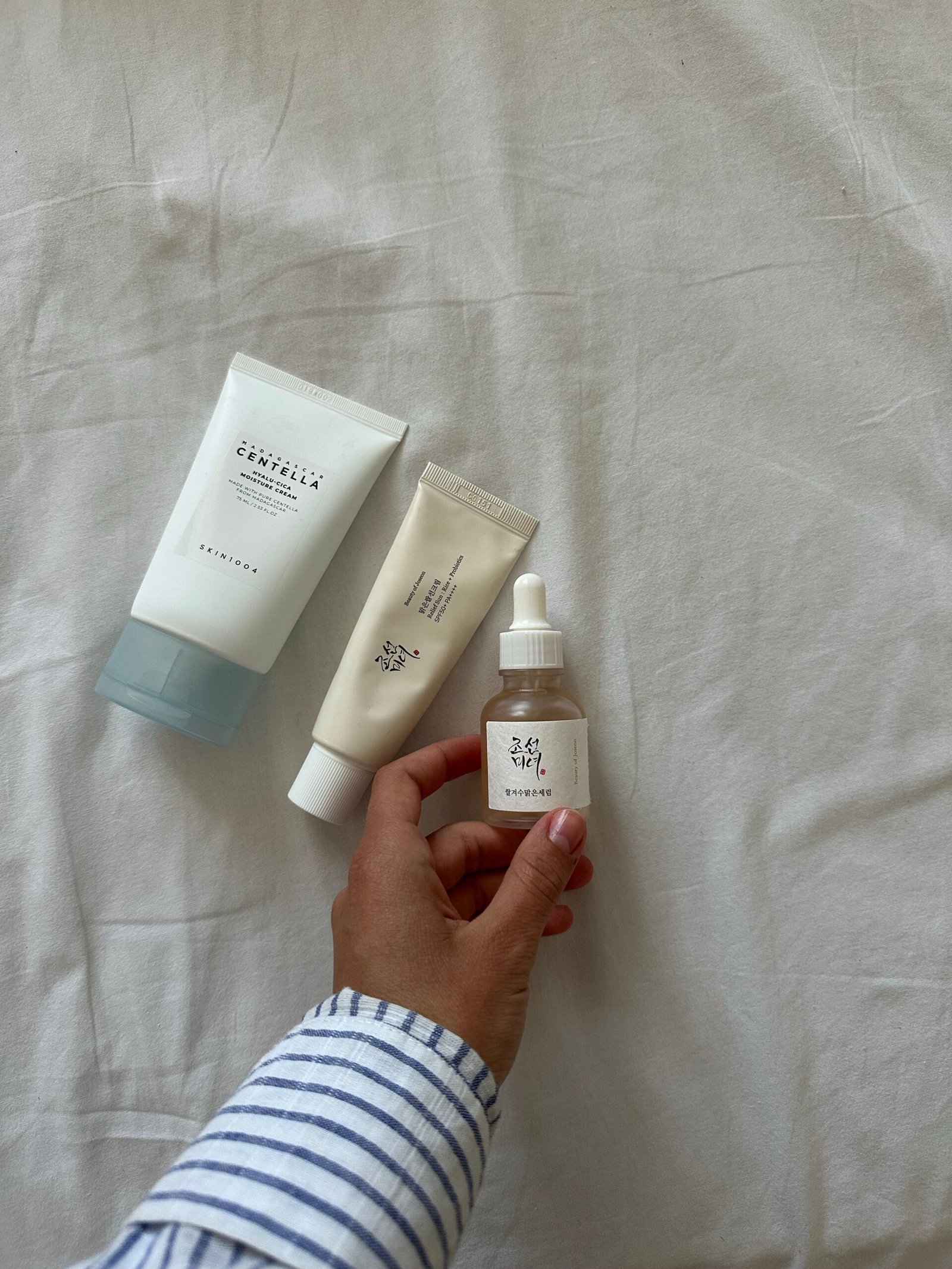
At MoskinLocker, you can explore authentic Korean skincare across categories including:
- Korean toners
- Korean serums
- Korean cleansers
- Korean moisturizers
- Korean sunscreens
If you prefer lightweight daily hydration, explore the COSRX Birch Sap Oil-Free Ultra Moisturizing Lotion. If your skin needs a richer moisturizing step, consider the Pyunkang Yul Moisture Cream.
Explore Korean skincare at MoskinLocker and build a routine around what your skin actually needs.
Final Thoughts
The best Korean moisturizers for oily skin aren’t necessarily the lightest products on the market or the ones with the most popular ingredients. They’re the formulas that provide enough hydration while feeling comfortable on your skin.
If your main concern is excess shine, a lightweight gel or lotion may be a good starting point. If your skin is oily but dehydrated, look for humectants and a moisturizer that helps maintain moisture. If your skin feels dry or irritated, don’t automatically rule out a cream.
Start with one suitable moisturizer, use it consistently, and pay attention to how your skin responds. You don’t need a complicated routine to keep oily skin hydrated.
Ultimately, choosing a moisturizer should make your skincare routine easier, more comfortable, and more consistent—not add another product you feel you have to work around.