Healthy, radiant skin is something many people strive for, yet it can often feel difficult to achieve. With so many products available and endless advice online, building the right skincare routine can become overwhelming. The key to long-lasting results lies in balancing skin care products so that your skin receives the right combination of hydration, nourishment, and protection.
When products work together instead of competing against each other, the skin can maintain its natural barrier, stay hydrated, and appear clearer and more vibrant.
Many common skin concerns, including dullness, irritation, breakouts, and fine lines, can be traced back to an imbalance in the skincare routine. Using overly harsh cleansers, skipping hydration, or layering incompatible products can weaken the skin’s protective barrier and lead to dehydration.
By focusing on balance and choosing products that complement one another, it becomes much easier to achieve healthy, glowing skin.
This guide explores why balancing skincare products matters, how hydration affects skin health, and how to build a routine that supports both clear and well-hydrated skin.
Why Balancing Skin Care Products Matters
Your skin functions best when its natural barrier is strong and stable. This barrier protects against environmental stressors, retains moisture, and prevents irritants from penetrating deeper layers of the skin.
However, skincare routines that are not properly balanced can disrupt this protective layer. For example, using products that strip natural oils may leave the skin feeling clean initially, but over time, it can result in dryness, sensitivity, and increased oil production as the skin tries to compensate.
Balancing skin care products helps ensure that each step in your routine serves a purpose without harming the skin barrier. When your routine includes gentle cleansing, effective hydration, and protective ingredients, the skin can maintain a healthy balance between oil and water.
This balance is essential for keeping the skin smooth, clear, and resilient.
Understanding the Difference Between Dry and Dehydrated Skin
Before building a balanced skincare routine, it’s important to understand the difference between dry skin and dehydrated skin.
Dry skin is considered a skin type. It occurs when the skin produces insufficient natural oils, also known as sebum. People with dry skin often experience flakiness, rough texture, tightness, and itching.
Dehydrated skin, on the other hand, is a temporary condition caused by a lack of water in the skin. It can affect any skin type, including oily or combination skin. When skin becomes dehydrated, it may appear dull, feel tight, and develop more visible fine lines.
External factors such as weather conditions, lifestyle habits, lack of sleep, and sun exposure can contribute to dehydration. When the skin loses water, it may even produce excess oil to compensate, which can sometimes lead to clogged pores or breakouts.
Balancing skin care products helps address both dryness and dehydration by restoring moisture levels while maintaining the skin’s natural oil balance.
The Importance of Oil and Water Balance in Skin Health
A healthy complexion relies on the right balance between oil and water. Many people assume oil should always be minimized in skincare, but natural oils play a critical role in maintaining skin health.
Sebum helps form a protective barrier on the skin’s surface. This barrier shields the skin from pollutants, environmental damage, and moisture loss. Without enough oil, the skin may become dry, sensitive, and prone to irritation.
Water, meanwhile, supports the skin’s elasticity and plump appearance. Adequate hydration helps reduce the appearance of fine lines and gives skin a smoother, more radiant look.
When oil and water levels are balanced, the skin becomes more resilient and better equipped to maintain a youthful glow. But when this balance is disrupted, either by lack of hydration or excessive oil removal, the skin may send signals such as dryness, irritation, or breakouts.
Balancing skin care products helps maintain this essential harmony.
Signs Your Skincare Routine Is Out of Balance
Many skin concerns arise when the routine contains too many harsh or incompatible products. Recognizing the signs of imbalance can help you adjust your routine before problems worsen.
Common signs include:
- Dull or tired-looking skin
- Tightness or discomfort after cleansing
- Increased sensitivity or redness
- More visible fine lines
- Rough or uneven texture
- Breakouts despite using multiple treatments
These symptoms often indicate that the skin barrier has been weakened or that the skin is lacking proper hydration.
Rebalancing your routine with gentle, hydrating products can help restore the skin’s natural function.
Building a Routine for Balancing Skin Care Products
A balanced skincare routine doesn’t need to be complicated. Instead, it should focus on a few key steps that support hydration and skin barrier health.
1. Gentle Cleansing
Cleansing is the first step in any skincare routine because it removes makeup, dirt, oil, and environmental impurities.
However, overly harsh cleansers can strip the skin’s natural oils, leading to dryness and irritation. Gentle cleansers are designed to clean the skin while preserving its protective barrier.
Cleansing both morning and night helps keep pores clear and prepares the skin to absorb the benefits of the next products in the routine.
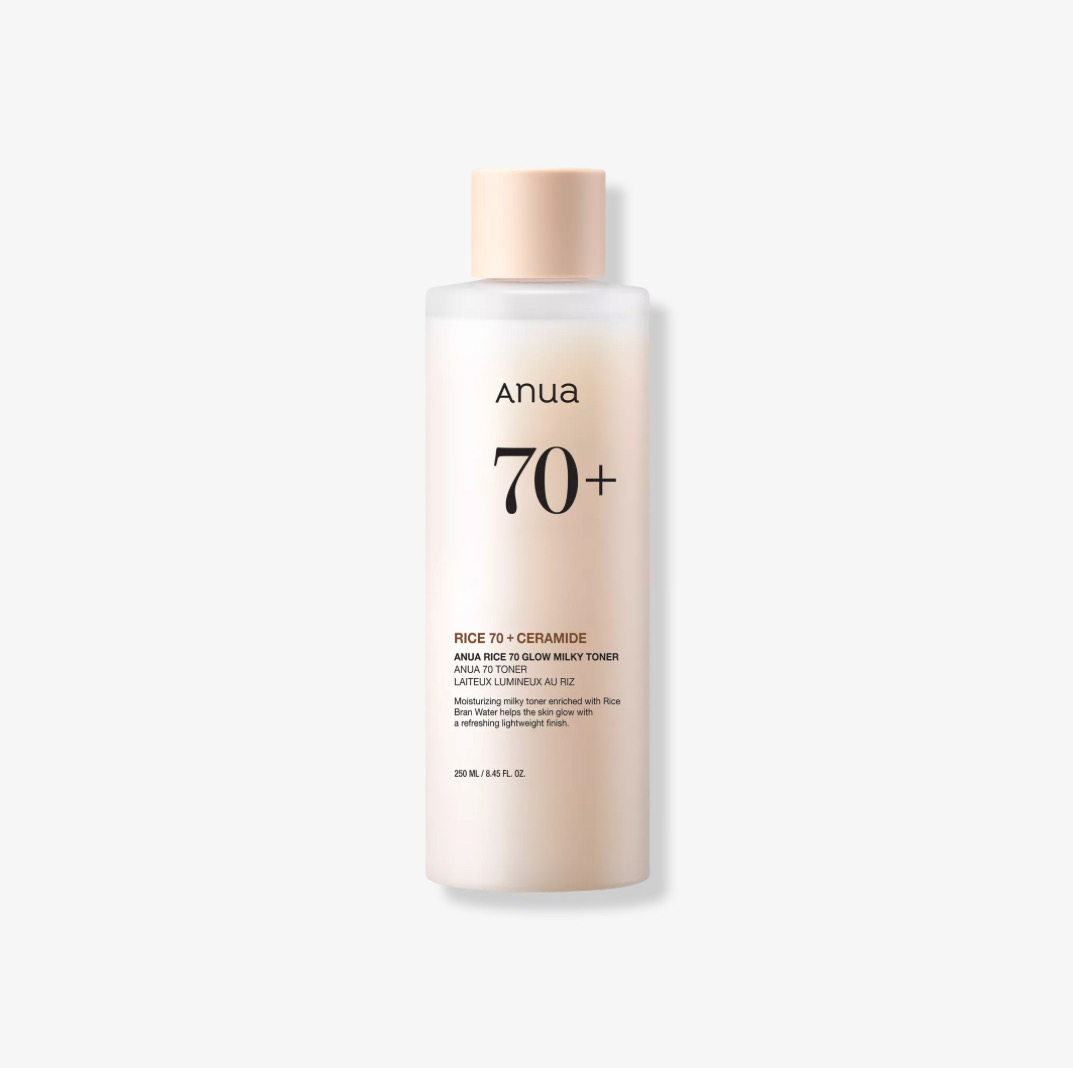
2. Preparing the Skin with Hydrating Toners
After cleansing, toners can help refine pores, remove any remaining impurities, and prepare the skin for treatment products.
Hydrating toners often contain ingredients that attract moisture to the skin. They can help strengthen the skin barrier while improving hydration levels.
This step ensures that the skin is ready to receive the active ingredients found in serums and treatments.
3. Targeted Hydration with Serums and Essences
Serums and essences play an important role in balancing skin care products because they deliver concentrated ingredients directly to the skin.
These treatments often contain antioxidants, vitamins, and hydration-boosting compounds that improve skin texture and radiance.
Applying serums after toner allows these ingredients to penetrate the skin more effectively, addressing concerns such as dehydration, fine lines, or dullness.
When used consistently, targeted treatments can visibly improve the skin’s overall health.
4. Sealing Moisture with Moisturizers and Emulsions
Once hydration has been delivered to the skin through serums or essences, moisturizers help lock it in.
Moisturizers form a protective layer that prevents water loss while strengthening the skin barrier. Lightweight emulsions can provide hydration without heaviness, while richer creams may be beneficial for dehydrated skin.
Using a moisturizer as the final step ensures that the benefits of previous products remain within the skin for longer.
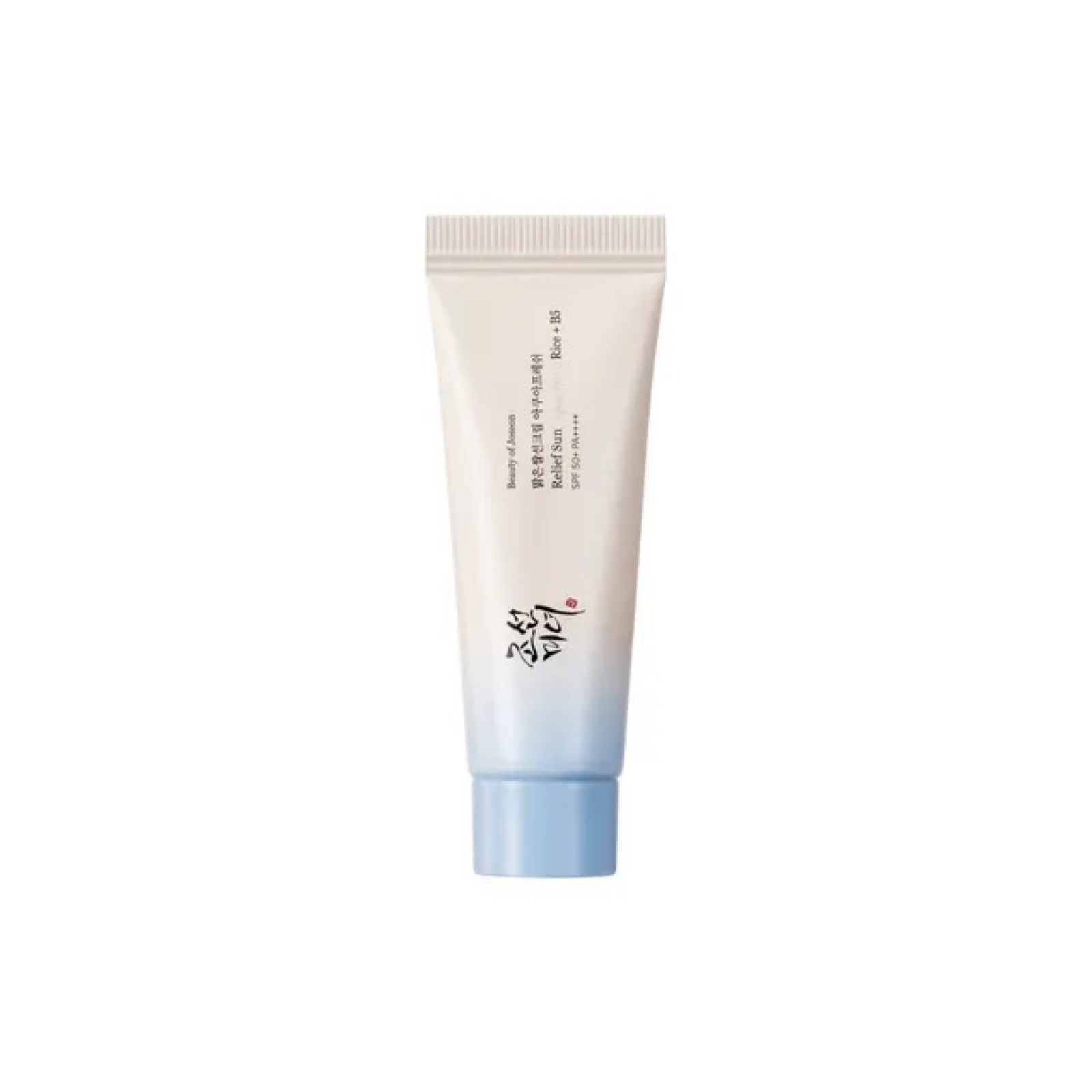
5. Daily Sun Protection
Sun exposure is one of the most common causes of skin damage and dehydration. Ultraviolet radiation can weaken the skin barrier and accelerate moisture loss.
Daily sunscreen use protects the skin from harmful UV rays while preserving hydration and preventing premature signs of aging.
In a balanced routine, sun protection is essential for maintaining long-term skin health.

Key Ingredients That Support Balanced Skin
Certain skincare ingredients are particularly effective when it comes to hydration and barrier repair.
Hyaluronic Acid
Hyaluronic acid is widely recognized for its ability to attract and retain moisture. It can hold many times its weight in water, helping the skin remain plump and hydrated.
Glycerin
Glycerin is another powerful humectant that draws water into the skin and improves softness. It is commonly found in hydrating toners, serums, and moisturizers.
Ceramides
Ceramides help strengthen the skin barrier by preventing moisture loss. They are especially beneficial for people experiencing dryness or sensitivity.
Vitamin C
Vitamin C supports collagen production and brightens the complexion. It also provides antioxidant protection against environmental stressors.
Incorporating these ingredients into your routine can significantly improve skin hydration and resilience.
Lifestyle Habits That Affect Skin Hydration
While balancing skin care products is important, lifestyle choices also influence how the skin looks and feels.
Staying Hydrated
Drinking enough water supports overall hydration throughout the body. While hydration alone won’t instantly transform the skin, it contributes to healthy skin function.
Getting Quality Sleep
During sleep, the body repairs and regenerates skin cells. Adequate rest helps improve skin tone and supports the skin’s natural recovery processes.
Maintaining a Balanced Diet
Foods rich in healthy fats, vitamins, and antioxidants help strengthen the skin barrier. Nutrient-rich diets can support smoother and healthier skin over time.
These habits work together with a good skincare routine to maintain balanced, glowing skin.
Protecting the Skin from Moisture Loss
Environmental factors can significantly impact skin hydration. Cold weather, strong winds, pollution, and dry indoor air can all weaken the skin barrier.
Using richer moisturizers during colder months can help protect the skin from dryness. Humidifiers can also add moisture to indoor air, reducing dehydration caused by heating systems.
Daily sunscreen is another essential step because UV exposure can damage the skin barrier and contribute to moisture loss over time.
Balancing skin care products while protecting the skin from environmental stress helps maintain hydration and clarity.
How Long Does It Take to Restore Skin Balance
Improving skin hydration and restoring balance do not happen overnight, but noticeable improvements can occur relatively quickly.
With consistent use of hydrating products and gentle skincare routines, many people begin to see changes within a few days to a few weeks.
As the skin barrier strengthens and moisture levels increase, the skin typically appears smoother, brighter, and more comfortable.
Patience and consistency are key to achieving lasting results.
Final Thoughts
Achieving clear and hydrated skin is not about using as many products as possible. Instead, it is about choosing the right products and using them in a way that supports the skin’s natural balance.
Balancing skin care products ensures that each step in your routine contributes to healthier skin rather than disrupting it. Gentle cleansing, effective hydration, protective moisturizers, and daily sun protection all work together to strengthen the skin barrier and maintain moisture levels.
When combined with healthy lifestyle habits such as proper hydration, good sleep, and balanced nutrition, a well-structured skincare routine can significantly improve the skin’s appearance and comfort.
By focusing on balance rather than excess, anyone can build a routine that leads to clearer, smoother, and naturally glowing skin.