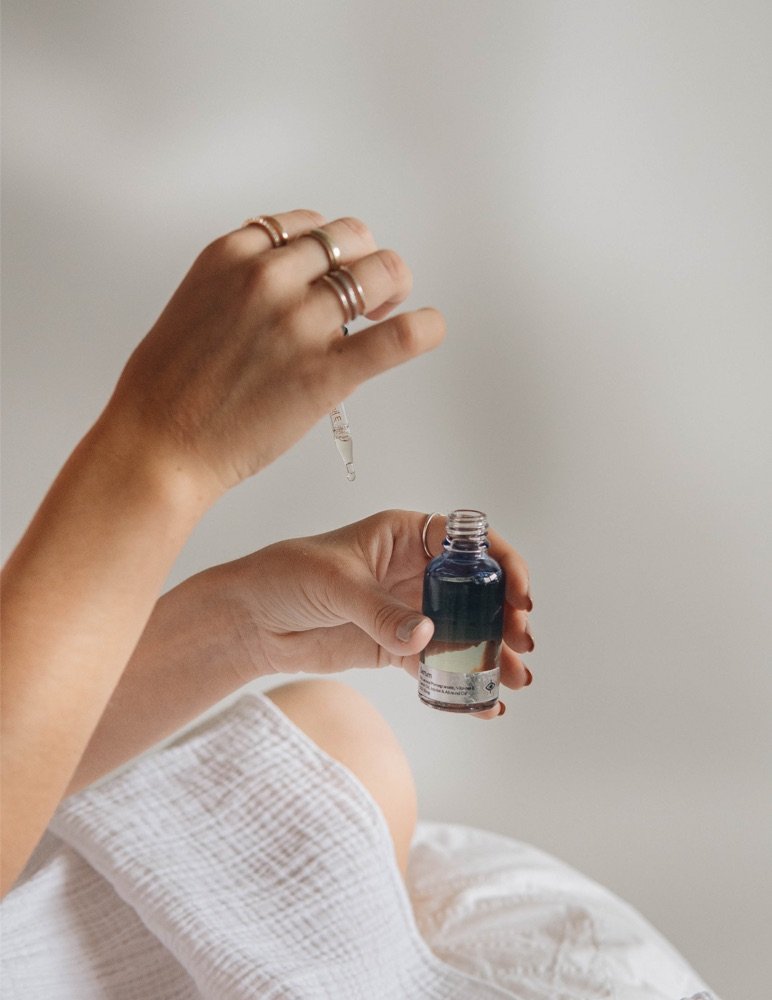
Finding the best Korean skincare for combination skin can feel like solving a puzzle. One part of your face is oily and prone to breakouts, while another feels dry, tight, or even flaky.
This dual nature makes it difficult to choose products and routines that don’t worsen one side while trying to fix the other. Fortunately, Korean skincare offers a balanced, layered, and gentle approach that makes managing combination skin not only possible but highly effective.
In this comprehensive guide, we’ll break down everything you need to know about building the best Korean skincare for combination skin, from understanding your skin type to selecting the right ingredients and following a step-by-step routine.
What Is Combination Skin?
Combination skin is exactly what it sounds like, a mix of two skin types on one face. Typically, the T-zone (forehead, nose, and chin) tends to be oily with enlarged pores and occasional blackheads, while the cheeks and outer areas can be dry or normal.
Common Characteristics:
- Oily shine in the T-zone
- Dry or flaky patches in other areas
- Enlarged pores in oilier regions
- Occasional breakouts or blackheads
- Sensitivity that varies across the face
Because of these mixed traits, combination skin requires a balanced approach that hydrates without clogging pores and controls oil without over-drying.
Why Korean Skincare Works for Combination Skin
Korean skincare is widely regarded as the best Korean skincare for combination skin because of its layering philosophy and focus on hydration. Instead of using heavy, one-size-fits-all products, K-beauty routines emphasize lightweight layers that can be adjusted based on your skin’s needs.
Key Advantages:
- Gentle, non-stripping formulas
- Focus on hydration to regulate oil production
- Customizable multi-step routines
- Use of soothing and natural ingredients
- Preventative care rather than reactive treatment
This approach helps maintain balance, exactly what combination skin needs.
Essential Rules for Combination Skin
Before diving into the step-by-step routine, it’s important to understand a few foundational rules that define the best Korean skincare for combination skin.
1. Hydration Is Everything
Dehydrated skin often produces more oil to compensate. This means skipping hydration can actually make oily areas worse. Keeping your skin well-hydrated helps regulate sebum production and keeps dry areas comfortable.
2. Choose Lightweight Layers
Instead of heavy creams, opt for water-based toners, gel moisturizers, and lightweight serums. These absorb quickly and provide hydration without leaving a greasy finish.
3. Avoid Harsh Ingredients
Combination skin can also be sensitive. Harsh alcohols, strong fragrances, and irritating ingredients can damage the skin barrier and trigger more oil production or dryness.
4. Balance Is the Goal
The ultimate aim is not to eliminate oil or dryness, but to balance both so your skin feels comfortable and looks healthy.
Key Ingredients in the Best Korean Skincare for Combination Skin
Choosing the right ingredients is essential for achieving optimal results.
Hydrating Ingredients
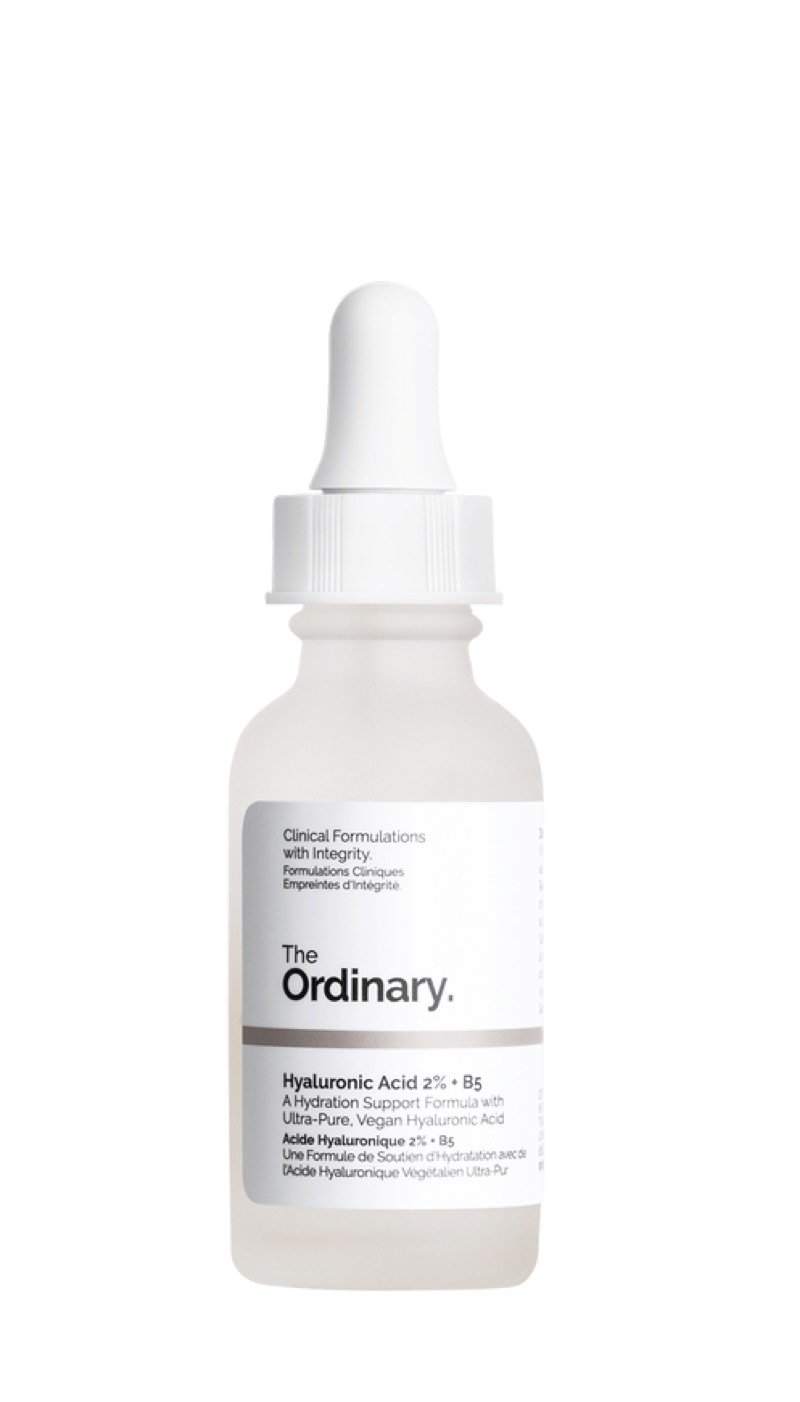
- Hyaluronic Acid: Provides deep hydration without heaviness
- Glycerin: Attracts moisture to the skin
Oil-Control Ingredients
- Niacinamide: Regulates oil production, minimizes pores, and brightens skin
- Salicylic Acid: Penetrates pores to remove excess oil and prevent breakouts
Soothing Ingredients
- Centella Asiatica (Cica): Calms irritation and promotes healing
- Aloe Vera & Chamomile: Reduce redness and sensitivity
Nourishing & Repairing Ingredients
- Snail Mucin: Hydrates, repairs, and improves skin texture
- Peptides & Collagen: Support elasticity and reduce signs of aging
- Green Tea & Antioxidants: Protect against environmental damage
Step-by-Step: Best Korean Skincare Routine for Combination Skin
Let’s break down the ideal routine that defines the best Korean skincare for combination skin.
Step 1: Oil Cleanser (Double Cleansing Begins)
Start your routine with an oil-based cleanser. This step dissolves makeup, sunscreen, excess sebum, and impurities without stripping your skin.
Why it works: Oil attracts oil, making it highly effective at removing buildup while maintaining moisture balance.
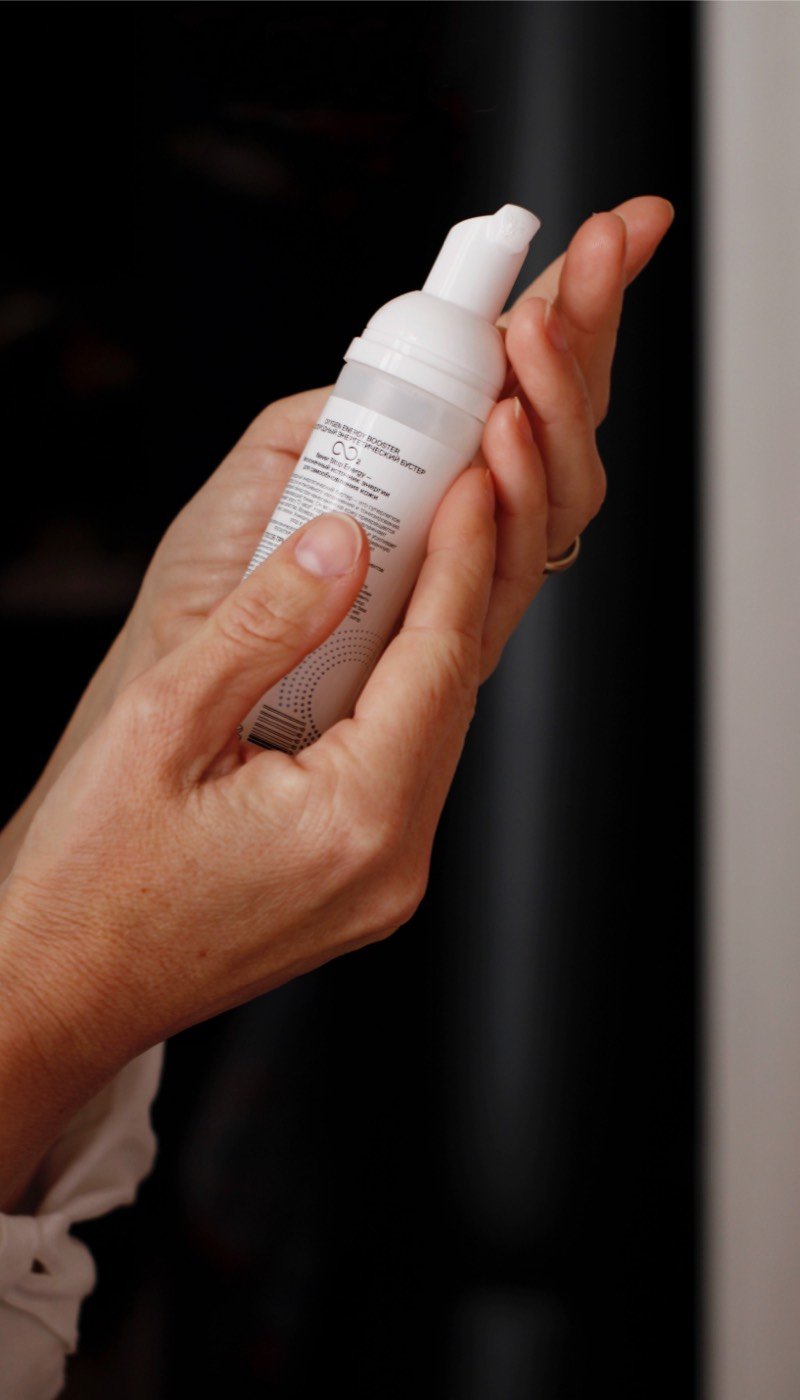
Step 2: Water-Based Cleanser
Follow up with a gentle, water-based cleanser to remove sweat, dirt, and any leftover residue.
Tip: Choose a hydrating formula that doesn’t leave your skin feeling tight or dry.
Step 3: Gentle Exfoliation (1–2 Times a Week)
Exfoliation helps remove dead skin cells, unclog pores, and improve product absorption.
Best approach:
- Use mild chemical exfoliants like AHAs or BHAs
- Limit to 1–2 times per week to avoid irritation
Step 4: Toner
A toner helps restore your skin’s pH balance after cleansing and prepares it for better absorption of the next steps.
Look for:
- Hydrating, alcohol-free formulas
- Ingredients like hyaluronic acid or glycerin
Step 5: Essence or Serum
This step targets specific concerns like excess oil, dullness, or dark spots.
Popular choices:
- Niacinamide for oil control and pore refinement
- Vitamin C for brightening
- Soothing ingredients for sensitive areas
Step 6: Moisturizer
Even oily skin needs moisturizer. The key is choosing a lightweight, non-comedogenic formula.
Best options:
- Gel-based moisturizers
- Water creams that hydrate without clogging pores
This step locks in all the hydration from previous layers.
Step 7: Sunscreen (Morning Routine Only)
Sunscreen is non-negotiable. It protects your skin from UV damage, prevents premature aging, and reduces hyperpigmentation.
Choose:
- Lightweight, non-greasy formulas
- Products that won’t clog pores or feel heavy
Optional Step: Sheet Masks (1–2 Times a Week)
Sheet masks are a great way to give your skin an extra boost of hydration and nourishment.
They help:
- Replenish moisture
- Calm irritated skin
- Improve overall texture
Customizing Your Routine for Better Results
The best Korean skincare for combination skin is not rigid; it’s flexible. You can adjust your routine based on how your skin feels.
Tips for Customization:
- Use more hydrating layers in dry areas
- Apply oil-control products mainly to the T-zone
- Skip exfoliation if your skin feels sensitive
- Switch products based on seasonal changes
Listening to your skin is key to achieving long-term results.
Common Mistakes to Avoid
Even with the best Korean skincare for combination skin, mistakes can hinder your progress.
Avoid These Pitfalls:
- Over-cleansing, which strips natural oils
- Using heavy creams that clog pores
- Skipping moisturizer due to oily areas
- Over-exfoliating, leading to irritation
- Ignoring sunscreen
Consistency and moderation are essential.
The Importance of Consistency
Korean skincare emphasizes daily habits over quick fixes. Results don’t appear overnight, but with consistent care, your skin becomes healthier, more balanced, and visibly radiant.
Stick to your routine, give products time to work, and avoid constantly switching products.
Final Thoughts
Achieving balanced, glowing skin doesn’t have to be complicated. By following the best Korean skincare for combination skin, you can effectively manage both oily and dry areas without compromising either.
The key lies in:
- Gentle cleansing
- Smart layering
- Hydration-focused products
- Consistent care
With the right approach, combination skin transforms from a challenge into an opportunity to create a truly personalized skincare routine. Korean beauty principles make this journey easier, offering a thoughtful and proven path to healthier, more radiant skin.
Start small, stay consistent, and let your skin guide you, because the best results come from understanding and working with your skin, not against it.