
Polycystic Ovary Syndrome (PCOS) affects much more than reproductive health—it can significantly impact your skin. If you’ve been searching for the best skincare for PCOS, you’re likely dealing with concerns such as hormonal acne, oily skin, unwanted facial hair, pigmentation, or even hair loss.
The good news is that with the right combination of skincare, lifestyle changes, and hormonal support, it is possible to improve your skin and regain confidence.
Unlike ordinary skin issues, PCOS-related skin concerns are driven by internal hormonal imbalances. This means that while topical skincare products are important, they work best when combined with strategies that address the root causes of PCOS.
In this comprehensive guide, we’ll explore the best skincare routine for PCOS, the ingredients to look for, lifestyle habits that support healthy skin, and expert tips to manage common PCOS skin symptoms.
Understanding the Link Between PCOS and Skin Problems
PCOS is a hormonal and metabolic condition that affects women during their reproductive years. One of the hallmark characteristics of PCOS is elevated androgen levels, often referred to as male hormones. These hormones can stimulate oil production in the skin, leading to clogged pores and persistent breakouts.
In addition to androgen excess, many women with PCOS also experience insulin resistance. Higher insulin levels can worsen hormonal imbalances, increase inflammation, and contribute to skin issues such as acne, dark patches, and skin tags.
Common skin concerns associated with PCOS include:
- Hormonal acne
- Excessively oily skin
- Hirsutism (unwanted facial and body hair)
- Hyperpigmentation
- Acanthosis nigricans (dark, velvety skin patches)
- Skin tags
- Scalp hair thinning and hair loss
Understanding these underlying factors is essential when creating the best skincare for PCOS.
Why PCOS Causes Hormonal Acne
Hormonal acne is one of the most frustrating symptoms of PCOS. Unlike teenage acne, PCOS acne often appears around the:
- Jawline
- Chin
- Neck
- Lower cheeks
- Around the mouth
High androgen levels stimulate sebaceous glands, causing excess sebum production. This excess oil combines with dead skin cells and bacteria, leading to clogged pores and inflammation.
PCOS-related acne may present as:
- Blackheads
- Whiteheads
- Inflamed pimples
- Painful cystic acne
- Deep nodules
Because hormones are involved, topical treatments alone may not completely resolve acne. A holistic approach delivers the best long-term results.
Best Skincare for PCOS: Build a Consistent Routine
Consistency matters more than having dozens of products. A simple, effective skincare routine can help control oil production, reduce inflammation, and strengthen the skin barrier.
Morning Routine
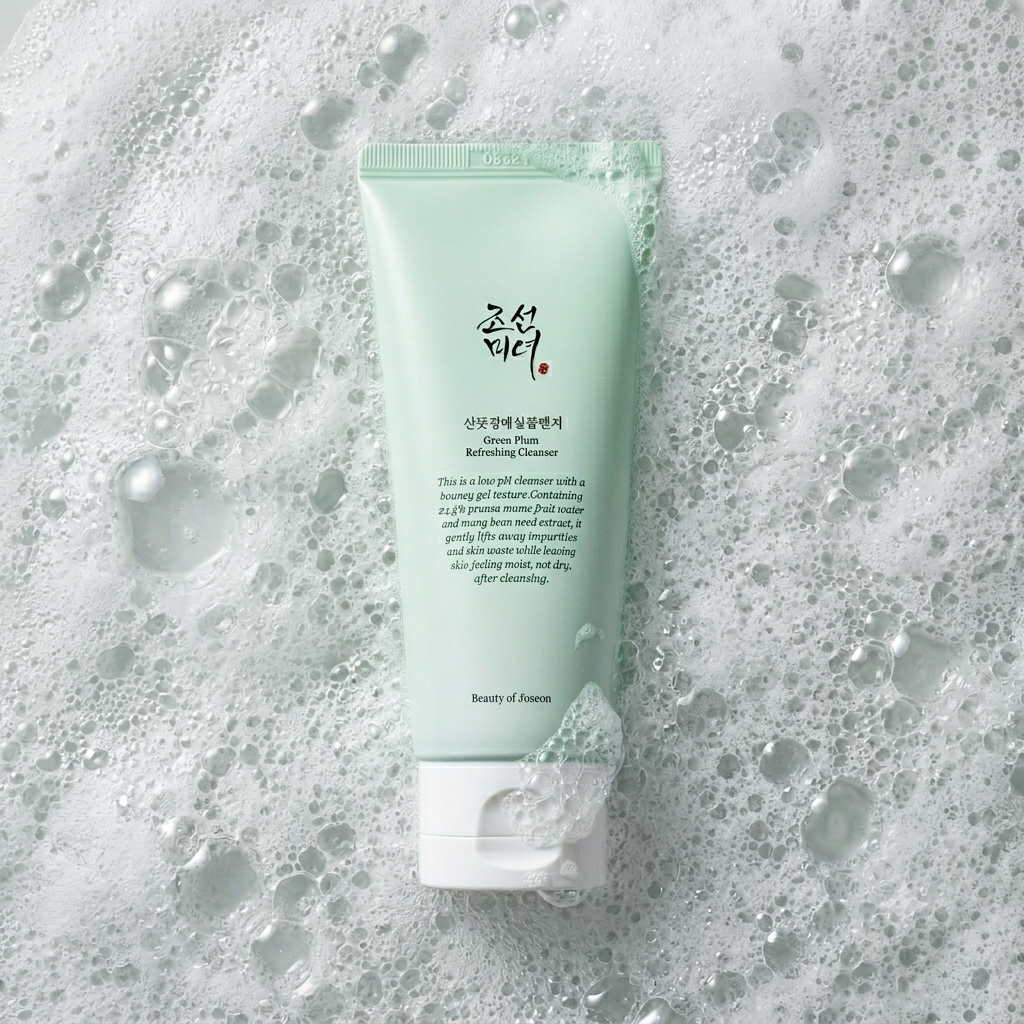
1. Gentle Cleanser
Start your day with a mild cleanser that removes excess oil without stripping the skin.
Look for ingredients such as:
- Salicylic acid (for oily and acne-prone skin)
- Niacinamide
- Green tea extract
Avoid harsh cleansers that leave your skin feeling tight or overly dry.
2. Antioxidant Serum
Vitamin C serums can help:
- Brighter skin tone
- Reduce post-acne marks
- Protect against environmental damage
This step is especially beneficial for those struggling with pigmentation caused by acne.
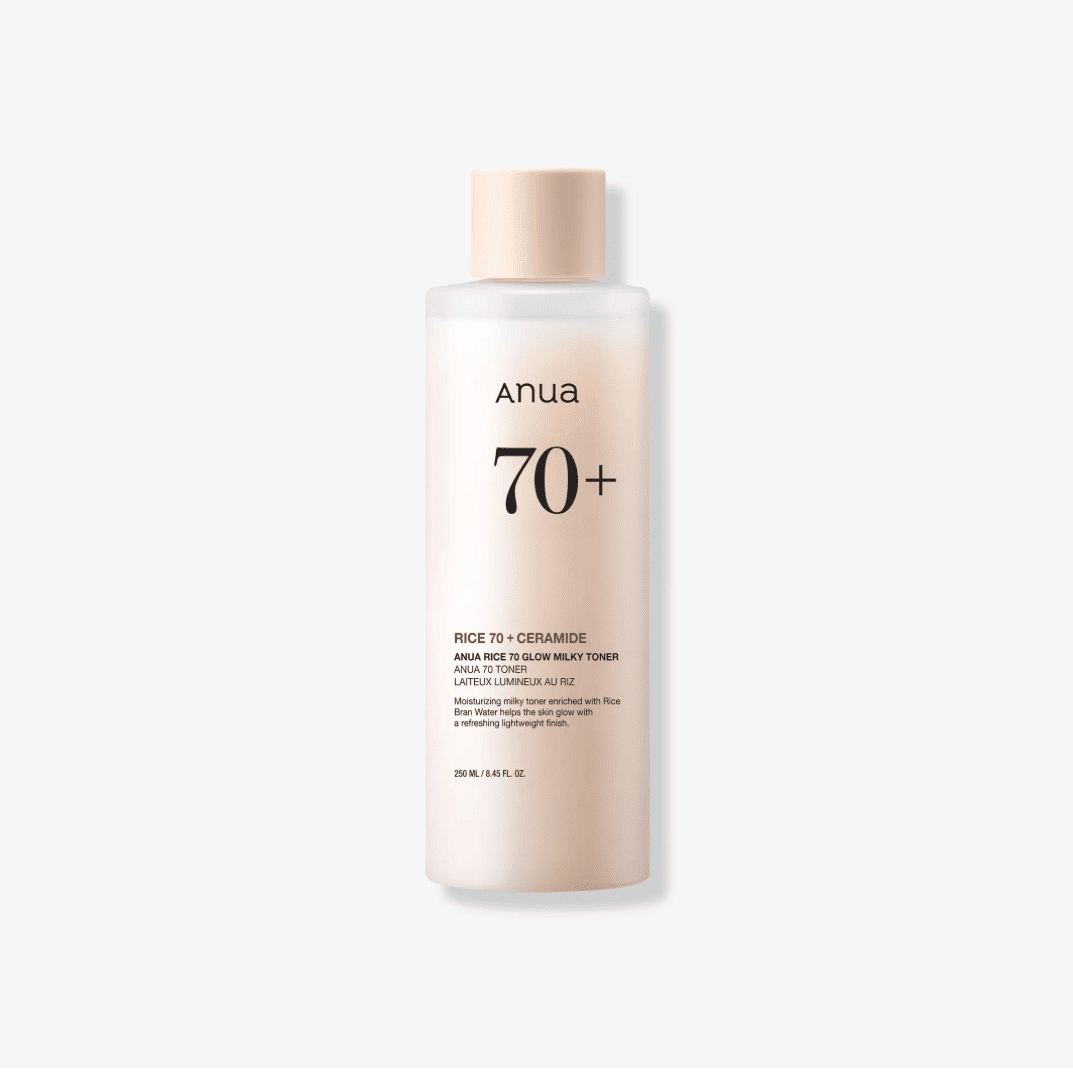
3. Lightweight Moisturizer
Many people with oily skin skip moisturizer, but dehydration can actually increase oil production.
Choose moisturizers that are:
- Non-comedogenic
- Oil-free
- Hypoallergenic
Ingredients like hyaluronic acid, aloe vera, and glycerin help maintain hydration without clogging pores.
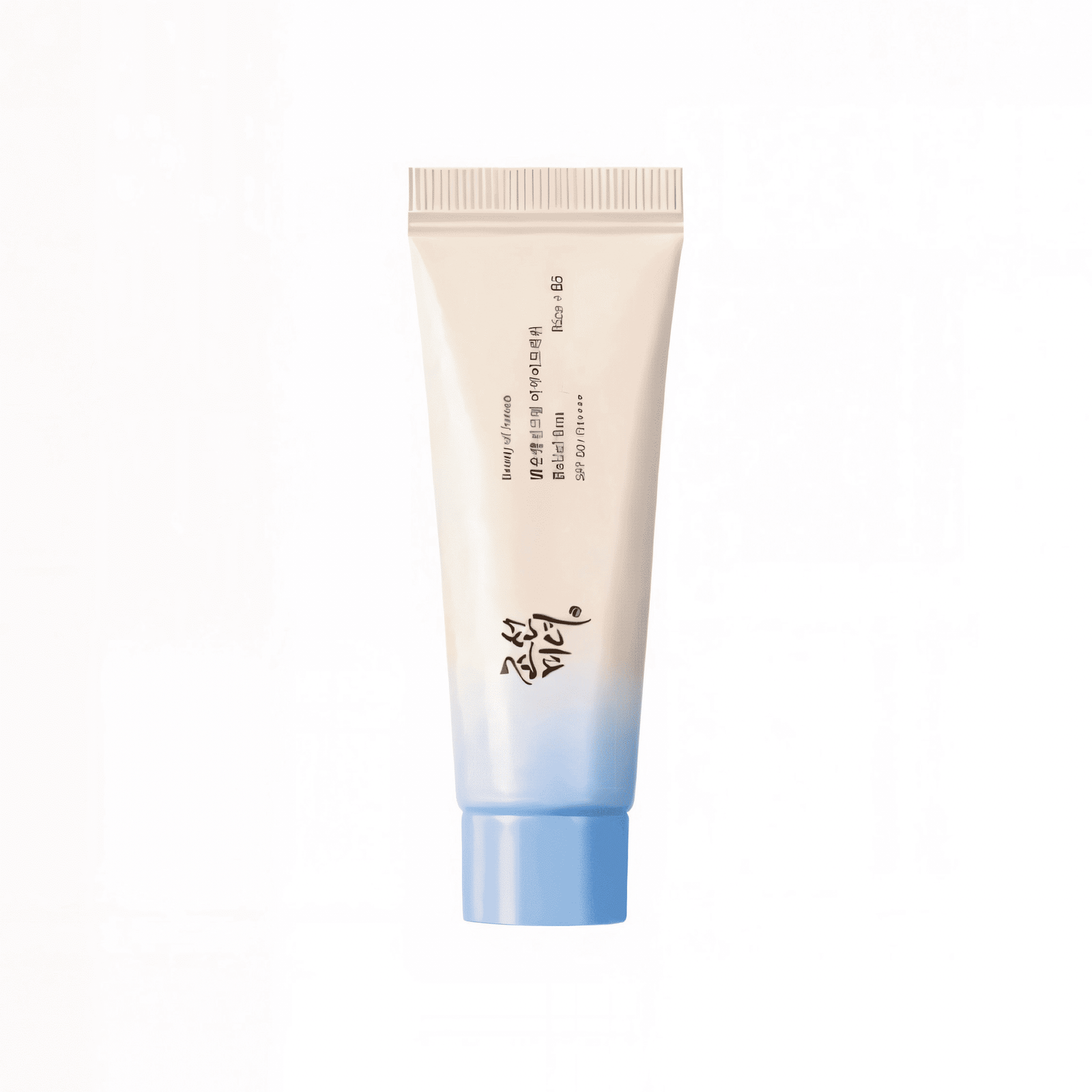
4. Sunscreen
Daily sunscreen is non-negotiable.
Choose:
- SPF 30 or higher
- Broad-spectrum protection
- Lightweight gel formulas for oily skin
Sunscreen prevents hyperpigmentation from worsening and protects the skin from premature aging.
Night Skincare Routine for PCOS
1. Double Cleanse if Wearing Makeup
Remove makeup thoroughly before bed. Makeup residue can clog pores and worsen acne.
2. Use Targeted Acne Treatments
Some of the most effective ingredients for PCOS acne include:
- Salicylic acid
- Benzoyl peroxide
- Azelaic acid
- Retinoids
- Glycolic acid
Introduce active ingredients gradually to avoid irritation.
3. Moisturize
Nighttime hydration helps support skin repair and maintain a healthy skin barrier.
4. Retinol (If Appropriate)
Retinol can help:
- Improve acne
- Reduce fine lines
- Fade acne scars
- Enhance skin texture
Start with a low concentration and use only a few nights per week.
Best Ingredients for PCOS Skin
When choosing products, focus on ingredients that target inflammation, acne, and excess oil.
Salicylic Acid
A beta-hydroxy acid that penetrates pores and helps remove excess oil and dead skin cells.
Benefits:
- Unclogs pores
- Reduces blackheads
- Helps prevent breakouts
Benzoyl Peroxide
Effective for reducing acne-causing bacteria and inflammatory lesions.
Best for:
- Active acne
- Moderate inflammatory breakouts
Niacinamide
One of the most versatile skincare ingredients.
Benefits:
- Reduces redness
- Controls oil production
- Strengthens the skin barrier
- Improves uneven skin tone
Azelaic Acid
Especially helpful for women with PCOS who struggle with acne and pigmentation.
Benefits:
- Reduces inflammation
- Brightens dark marks
- Supports clearer skin
Vitamin C
Ideal for addressing post-inflammatory hyperpigmentation and enhancing skin radiance.
Managing Oily Skin in PCOS
Excess oil production is a common consequence of elevated androgen levels.
To manage oily skin:
- Wash your face twice daily
- Avoid over-cleansing
- Use lightweight moisturizers
- Choose non-comedogenic makeup
- Incorporate salicylic acid products
Remember that stripping the skin of all oils often backfires by triggering even more oil production.
Treating Hyperpigmentation and Dark Patches
Many women with PCOS develop pigmentation issues due to hormonal fluctuations and insulin resistance.
Dark patches commonly appear on:
- Neck
- Underarms
- Inner thighs
- Groin area
To improve pigmentation:
- Wear sunscreen daily
- Use Vitamin C
- Consider azelaic acid
- Address insulin resistance through lifestyle changes
Skin discoloration associated with insulin resistance often improves when blood sugar regulation improves.
How Lifestyle Affects PCOS Skin
The best skincare for PCOS goes beyond creams and cleansers. Lifestyle choices play a major role in skin health.
Focus on Blood Sugar Balance
Stable blood sugar levels help reduce insulin spikes, which may contribute to excess androgen production.
Prioritize:
- Protein-rich meals
- High-fiber foods
- Healthy fats
- Complex carbohydrates
Limit:
- Sugary beverages
- Highly processed foods
- Excess refined carbohydrates
Exercise Regularly
Exercise improves insulin sensitivity and supports hormone balance.
Beneficial forms of exercise include:
- Strength training
- Walking
- Yoga
- Pilates
- Moderate cardio
Even a daily walk can have positive effects on hormonal health.
Prioritize Sleep
Aim for 7–9 hours of quality sleep each night.
Poor sleep can:
- Increase stress hormones
- Worsen inflammation
- Trigger acne flare-ups
Manage Stress
Chronic stress may worsen hormonal imbalances and skin problems.
Helpful stress-management practices include:
- Meditation
- Deep breathing
- Journaling
- Yoga
- Spending time outdoors
Managing Hirsutism and Hair Growth
Hirsutism refers to excessive hair growth in androgen-sensitive areas such as:
- Chin
- Upper lip
- Chest
- Abdomen
- Back
While skincare products cannot eliminate hirsutism, managing hormones can help slow hair growth over time.
Many women also explore:
- Laser hair removal
- Threading
- Waxing
- Electrolysis
Professional treatments often provide the most noticeable improvement.
PCOS and Hair Loss
Interestingly, the same hormones that cause excess facial hair can also contribute to scalp hair thinning.
Women with PCOS may notice:
- Widening part lines
- Reduced hair density
- Hair shedding
- Thinning around the crown
Supporting hormone balance, reducing inflammation, and addressing nutrient deficiencies can help improve hair health over time.
Skincare Habits That Make a Difference
Small daily habits can significantly improve skin health.
Do:
- Change pillowcases frequently
- Clean makeup brushes regularly
- Remove makeup every night
- Wash your face after workouts
- Stay hydrated
- Use sunscreen daily
Don’t:
- Pick at acne
- Over-exfoliate
- Constantly switch products
- Sleep in makeup
- Self-diagnose severe skin conditions
Patience is essential. Skin improvement often takes several weeks or months.
When to See a Dermatologist
While many PCOS skin symptoms can improve with lifestyle and skincare changes, professional help may be necessary if you experience:
- Severe cystic acne
- Scarring
- Significant hair loss
- Persistent pigmentation
- Rapidly worsening symptoms
A dermatologist can recommend prescription treatments tailored to your skin concerns.
Frequently Asked Questions About PCOS Skincare
What is the best skincare routine for PCOS?
A basic routine consisting of a gentle cleanser, moisturizer, sunscreen, and targeted treatments such as salicylic acid or retinoids is often effective. The best routine is one you can follow consistently.
Can skincare products cure PCOS acne?
No. Skincare products help manage symptoms, but PCOS acne is often linked to hormonal imbalances that may require broader treatment strategies.
Is oily skin common in PCOS?
Yes. Elevated androgen levels often increase sebum production, making oily skin one of the most common PCOS symptoms.
Does diet affect PCOS skin?
Absolutely. Blood sugar balance, inflammation management, and overall nutrition can significantly impact acne, pigmentation, and other skin concerns.
Final Thoughts
Finding the best skincare for PCOS requires a holistic approach that addresses both internal and external factors. While cleansers, serums, moisturizers, and acne treatments are important, true improvement often comes from supporting hormone balance, managing insulin resistance, reducing inflammation, and maintaining healthy lifestyle habits.
If you’re struggling with hormonal acne, oily skin, pigmentation, or unwanted hair growth, remember that progress takes time. Consistency, patience, and a personalized routine can make a meaningful difference.
By combining effective skincare with healthy lifestyle practices, you can build a sustainable strategy for healthier, clearer, and more confident skin.