In the world of skincare, one question seems to spark endless debate: Do you do skin care before or after shower? With the abundance of serums, cleansers, toners, and moisturizers available today, figuring out the correct skincare routine, and when to apply it, can feel confusing. Timing matters more than many people realize, and using the right products at the wrong time could be sabotaging your skin goals.
So what’s the verdict?
Should you apply skincare products before, during, or after your shower? In this guide, we’ll break down what dermatologists and estheticians say about the best time to do your skincare routine, why it matters, and how to find a method that works for your skin type and lifestyle.
Why Timing Matters in Skincare
Skincare is more than just applying good products—it’s about applying them in the right order and at the right time. The shower plays a central role in this because warm water affects your skin’s barrier, hydration levels, and absorption capabilities.
Dermatologists emphasize that skincare is most effective when applied on clean, damp skin. However, the timing of your routine in relation to your shower can influence product effectiveness, hydration retention, and even skin sensitivity—especially for those with eczema, acne, or dry skin.
The Case for Doing Skin Care Before Shower
Some skincare enthusiasts prefer doing their routine before stepping into the shower. Here’s why this approach has its fans.
1. Protection Against Harsh Shower Products
Many shampoos, conditioners, and body washes contain sulfates and other ingredients that can strip your skin of its natural oils. Applying a protective layer of skincare—particularly moisturizers or barrier creams—before your shower may help protect your face from these drying agents.
2. Boosted Hydration With Humectants
If you’re using hydrating ingredients like hyaluronic acid or glycerin, applying them before your shower allows these humectants to draw in moisture from the steam, potentially boosting hydration. The logic is that you’re turning your bathroom into a mini steam room, and your serums can soak it all in.
3. More Focused Application
Some people find that doing their skincare before showering means they’re less rushed and more methodical. You’re not standing in front of the mirror with damp skin and fogged-up glass—so it can be easier to apply products evenly and carefully.
However, most dermatologists caution that the steam and water from the shower can rinse away those carefully applied serums before they have time to fully absorb. Which brings us to,
The Case for Doing Skin Care During Shower
A smaller but passionate group of skincare users prefers multitasking—cleansing, exfoliating, and applying skincare right there under the warm water. Here’s why this method appeals to some:
1. Open Pores for Deep Cleansing
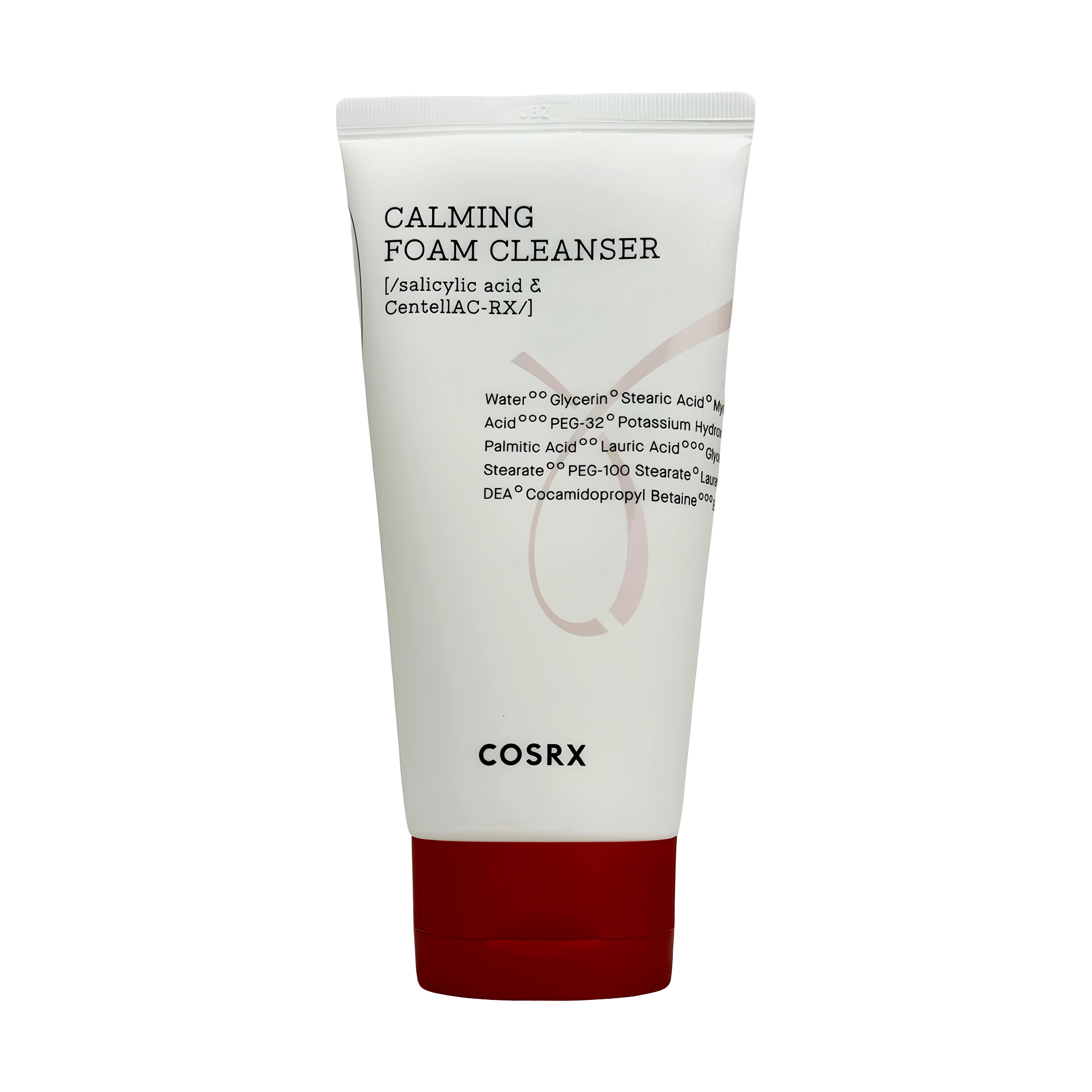
Steam opens up your pores, which can help with deeper cleansing, using products like the COSRX Gel Cleanser, and exfoliation. Many people use this time to apply gentle scrubs or exfoliating cleansers, believing it helps remove dead skin cells more effectively.
2. Convenience and Efficiency
Let’s be real, life is busy. Doing your skincare routine in the shower can save time and make it easier to be consistent.
3. Hydration Boost on Damp Skin
Applying hydrating products on damp skin can enhance their absorption. Some people use in-shower moisturizers or hydrating face masks that are designed to be used in a steamy environment.
But there’s a downside: Most products aren’t designed to sit on your face while you’re being drenched in water. Serums and moisturizers can be diluted or completely washed off, making them ineffective.
The Case for Doing Skin Care After Shower
When dermatologists are asked, “Do you do skin care before or after shower?”, most of them lean strongly toward after—and here’s why.
1. Showers Strip Your Skin
Hot water and long showers strip the skin’s natural oils, leaving it more vulnerable to dryness and irritation. This is especially true for people with eczema, psoriasis, or sensitive skin. Applying skincare after showering helps replenish lost moisture and repair the skin’s barrier.
2. Best Product Absorption
Your skin is clean and your pores are still open post-shower, making it an ideal time to apply serums, moisturizers, and treatments. As your skin begins to cool and dry, it absorbs products more effectively—especially if you apply them while your skin is still slightly damp.
3. Avoid Product Waste
One of the biggest issues with pre-shower skincare is that steam and water can wash away expensive treatments before they’re absorbed. Post-shower application ensures that your products stay on your skin, where they can actually do their job.
What Dermatologists Recommend
Across the board, dermatologists recommend applying most skincare products after you shower. Here’s a breakdown of what they advise:
Do BEFORE Shower:
- Makeup removal: Use a gentle makeup remover or cleansing balm to take off foundation, sunscreen, or waterproof mascara.
- Optional pre-cleanse: For double-cleansing routines, you can use an oil-based cleanser before the shower.
Do DURING Shower:
- Facial cleansing: A mild cleanser or exfoliating scrub can be used in the shower, ideally as your last step to remove shampoo/conditioner residue.
- Exfoliate (gently): Use a soft exfoliant a few times a week to remove dead skin cells. Avoid harsh scrubs that can irritate sensitive or acne-prone skin.
Don’t Do IN Shower:
- Serums, moisturizers, treatments: These are best used post-shower when they won’t be rinsed off or diluted.
Do AFTER Shower:
- Serums: Apply vitamin C in the morning, and retinol or other active treatments at night.
- Moisturizers: Lock in hydration while your skin is still slightly damp.
- Eye cream: Treat delicate under-eye areas with a gentle product.
- Face oils (optional): Seal everything in if your skin is especially dry.
- Sunscreen (morning only): Always apply SPF 30 or higher to protect from UV rays.
Best Practices for Shower-Related Skincare
Use Lukewarm Water
Hot showers feel amazing, but they can inflame the skin and break down the lipid barrier. Use warm—not hot—water, especially if you have sensitive skin.
Keep Showers Short
Limit showers to 10 minutes or less to prevent excessive moisture loss. Long, hot showers are one of the biggest culprits behind dry, irritated skin.
Apply Skincare on Damp Skin
Your skin absorbs products better when it’s slightly damp. After towel-drying your face (gently pat, don’t rub), apply your serum and moisturizer right away.
Moisturize Immediately
Especially for people with dry skin or eczema, applying moisturizer immediately after stepping out of the shower traps in hydration and supports the skin’s barrier.
Hybrid Method: The Best of All Worlds?
If you’re still wondering do you do skin care before or after shower, the truth is—you might not have to pick just one. Many dermatologists support a hybrid approach:
- Before shower: Remove makeup.
- During shower: Cleanse and exfoliate (toward the end of your shower).
- After shower: Apply treatments, serums, moisturizers, and SPF.
This routine gives you the benefits of steam and convenience without compromising product effectiveness.
Tailoring Your Routine by Skin Type
For Dry or Sensitive Skin:
- Avoid hot showers.
- Stick to cream-based cleansers.
- Moisturize immediately post-shower with thick creams or balms.
- Limit exfoliation to 1–2 times per week.
For Oily or Acne-Prone Skin:
- Use a gentle foaming cleanser in the shower.
- Apply salicylic acid or niacinamide serums post-shower.
- Avoid heavy oils unless recommended by a dermatologist.
- Use lightweight gel moisturizers.
For Eczema:
- Stick to lukewarm water and fragrance-free products.
- Moisturize twice a day, especially post-shower.
- Use prescription treatments after shower and before moisturizing, as directed by your dermatologist.
Final Thoughts: Do You Do Skin Care Before or After Shower?
So, do you do skin care before or after shower? While there’s room for personal preference, the consensus among skincare professionals is clear: your most important skincare steps—like applying serums, moisturizers, and SPF—should be done after your shower. This ensures your skin is clean, your pores are prepped, and your products have the best chance of working effectively.
However, a hybrid routine that includes makeup removal beforehand and cleansing during the shower can also work well; especially if it makes your routine more efficient and sustainable.
At the end of the day, the best routine is the one that fits your skin’s needs and your lifestyle, while making sure your products aren’t literally going down the drain.