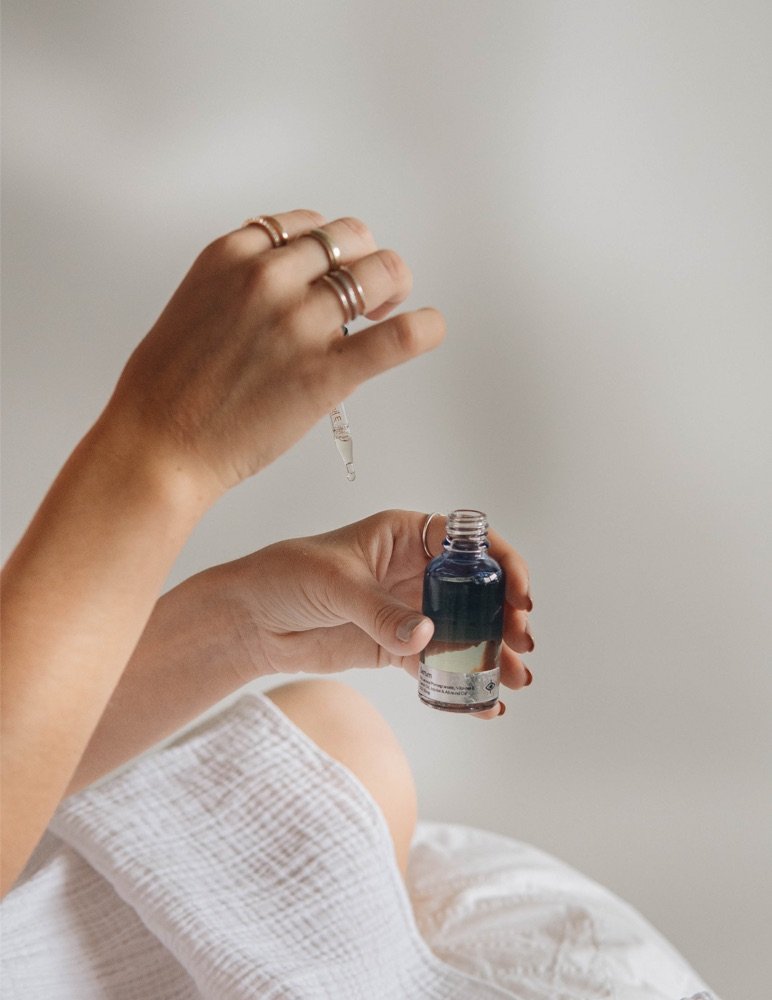
How many serums can you use at once? is one of the most common skincare questions, especially as multi-step routines become more popular. Serums are powerful, concentrated treatments designed to target specific concerns like acne, dryness, pigmentation, and aging, but using too many at once can confuse your routine and irritate your skin. The truth is, more products do not always mean better results.
Understanding how serums work, how they interact, and how many your skin can actually handle is essential if you want visible improvements without side effects. Most skincare experts agree that layering serums can be beneficial, but only when done correctly and in moderation.
In this guide, we’ll break down exactly how many serums can be used at once, how to layer them properly, and what mistakes you should avoid if you want healthy, balanced skin.
What Are Skincare Serums and Why Do They Matter?
Serums are lightweight, fast-absorbing skincare products formulated with a high concentration of active ingredients. Unlike moisturizers, they do not contain heavy occlusive agents, which allows them to penetrate deeper into the skin and deliver targeted benefits more effectively.
They are designed to address specific skin concerns, such as dehydration, uneven tone, acne, fine lines, or dullness. Because of their potency, even a small amount can have a noticeable impact on the skin when used consistently.
Different serums also come in different formulations, including water-based, oil-based, and silicone-based textures. Each type behaves differently on the skin, which directly affects how and when they should be layered in a routine.
Serums are powerful, but their effectiveness depends heavily on how they are used together.
Why Layering Serums Has Become So Popular
The rise of multi-step skincare routines has made serum layering extremely popular. Instead of relying on one product to solve multiple concerns, people now use different serums to target different issues at the same time.
For example, one serum may focus on hydration, another on brightening, and another on anti-aging. When used correctly, this approach allows multiple concerns to be addressed within a single routine.
Layering works because active ingredients can complement each other. Some combinations even enhance effectiveness, such as antioxidants working together to improve skin protection and brightness.
However, this benefit comes with a limitation: the skin can only handle a certain number of active ingredients before it becomes overwhelmed.
How Many Serums Can You Use at Once? The Safe Answer
Dermatologist-style guidance suggests using 2 to 3 serums at a time as a safe and effective range for most skin types. This allows you to target multiple concerns without overwhelming your skin barrier.
Using just one serum may feel limiting, especially if your skin has more than one concern. On the other hand, using more than three serums can increase the risk of irritation, clogged pores, and reduced product effectiveness.
The key idea is balance. Your skin does not benefit from overload; it benefits from targeted consistency.
If you are just starting, begin with one or two serums and slowly introduce more only if your skin tolerates them well.
Factors That Influence How Many Serums You Can Use
The ideal number of serums is not the same for everyone. Several factors influence how many serums can be used at once safely and effectively.
Your skin type plays a major role. Oily or acne-prone skin may react differently to layering than dry or sensitive skin. Similarly, mature skin may tolerate more active ingredients if the routine is well structured.
The type of serums you choose also matters. Lightweight, water-based serums are easier to layer, while oil-based or silicone-based serums can create barriers that affect absorption if used incorrectly.
Finally, the strength of active ingredients is crucial. Products containing retinol, acids, or vitamin C require more caution when combined.
Understanding these factors helps you customize your routine instead of copying generic skincare trends.
The Correct Way to Layer Serums
Layering serums is not just about how many you use, but how you use them. The correct order determines how well your skin absorbs each product.
The general rule is to apply serums from thinnest to thickest consistency. This ensures that lightweight formulas penetrate deeply before heavier products create a barrier on top.
Water-based serums should always come first because their smaller molecules absorb quickly and effectively. Medium-weight serums, often containing ingredients like hyaluronic acid or antioxidants, come next. Finally, thicker or oil-based serums should be applied last to seal in moisture and protect the skin.
If this order is reversed, thicker products can block absorption and reduce the effectiveness of lighter serums.
Waiting Time Between Serums Matters More Than You Think
One of the most overlooked parts of layering is timing. Many people apply serums one after another without waiting, which reduces effectiveness and can lead to a frustrating issue called pilling.
Pilling happens when products sit on the surface of the skin instead of absorbing properly, forming small visible clumps.
To avoid this, it is important to wait around 30 to 60 seconds between each serum layer. This gives your skin enough time to absorb each product fully.
This simple step significantly improves how your skincare performs and prevents waste.
Ingredient Compatibility: The Hidden Factor Most People Ignore
Even if you know how many serums can be used at once, you also need to know which ones should not be used together.
Some active ingredients interact poorly and can cause irritation or reduce effectiveness. For example, combining retinol with strong exfoliating acids like AHAs or BHAs can lead to over-exfoliation and sensitivity.
Vitamin C and retinol used together may also irritate, while certain combinations of acids and other actives can destabilize each other.
On the other hand, some ingredients work very well together. Antioxidants like vitamin C and vitamin E can enhance each other’s protective and brightening effects.
Understanding compatibility helps you avoid damage and get better results from fewer products.

Signs You Are Using Too Many Serums
Common signs include redness, irritation, unexpected breakouts, or a tight and uncomfortable feeling after application. You may also notice that your products stop absorbing properly or start to pill on the skin.
Another sign is when your routine feels inconsistent or your results plateau despite adding more products.
If this happens, reducing the number of serums is usually more effective than adding more.
Common Mistakes People Make When Using Serums
One of the biggest mistakes is using too many serums at once. While it may seem like layering more products will speed up results, it often does the opposite by irritating the skin and reducing absorption.
Another mistake is applying serums in the wrong order. If thicker products are applied first, they can block lighter serums from penetrating properly.
Skipping absorption time is also a common issue that leads to pilling and reduced effectiveness.
Finally, many people forget that moisturizer is an essential step. Without it, the benefits of serums can fade quickly as hydration is lost from the skin.
Avoiding these mistakes helps simplify your routine and improve results significantly.
How to Build the Perfect Serum Routine
A good serum routine is simple, consistent, and focused on your specific skin concerns.
Start by identifying your main skin needs, such as hydration, acne control, brightening, or anti-aging. Then choose two to three serums that target different concerns instead of overlapping functions.
Apply them in the correct order, starting from the thinnest texture to the thickest. Allow each layer to absorb before applying the next.
Finish with a moisturizer to lock everything in and protect your skin barrier.
This structured approach ensures that each serum works effectively without overwhelming your skin.
When You Should Use Fewer Serums
Sometimes less is better. If your skin is sensitive, reactive, or already compromised, reducing your routine to one or two serums can help restore balance.
You should also scale back if you introduce a new active ingredient and notice irritation or discomfort.
Simplifying your routine allows your skin barrier to recover and respond better to treatment products over time.
Skincare is not about doing more; it is about doing what your skin actually needs.
Conclusion: So, How Many Serums Can You Use at Once?
The answer to how many serums you can use at once depends on your skin type, product choice, and routine structure, but for most people, the sweet spot is 2 to 3 serums per routine.
This range allows you to target multiple concerns while keeping your skin balanced and protected. Beyond this, the risk of irritation and product inefficiency increases significantly.
The real secret to effective skincare is not layering more products, but layering them correctly. With the right order, timing, and ingredient awareness, even a simple routine can deliver powerful results.
Healthy skin is built on consistency, not complexity.