
If you have been exploring Korean skincare, you have probably wondered how to layer skincare products correctly without causing pilling, irritation, or simply using your products in the wrong order.
The good news is that the basic Korean skincare layering order is easier than it looks: start with cleansing, move from lightweight products to richer formulas, finish with moisturizer, and always apply sunscreen last in your morning routine.
The traditional Korean skincare routine can include several steps, including cleanser, toner, essence, serum, ampoule, moisturizer, and sunscreen. However, you do not need every step to build an effective routine.
In this guide, we’ll explain how to layer Korean skincare, the correct skincare product order from cleanser to sunscreen, where exfoliants and active ingredients fit, how many products you actually need, and how to customize your routine for oily, dry, combination, acne-prone, and sensitive skin
How to Layer Skincare: Quick Answer
The general Korean skincare order is:
Cleanser → Toner → Essence → Serum/Ampoule → Eye Cream → Moisturizer → Sunscreen
Not every routine needs all seven steps.
Morning Korean Skincare Order
- Cleanser
- Toner
- Essence
- Serum or ampoule
- Eye cream, if desired
- Moisturizer
- Sunscreen
Evening Korean Skincare Order
- Oil cleanser or cleansing balm, if needed
- Water-based cleanser
- Exfoliant or treatment, when appropriate
- Toner
- Essence
- Serum or ampoule
- Eye cream, if desired
- Moisturizer or cream
The general principle is lightest to heaviest, but ingredient instructions and the product’s texture can sometimes change the exact order.
If you’re completely new to skincare, our Beginner Skincare Guide is a useful starting point before adding multiple layers.
Korean Skincare Layering Order at a Glance
Step | Product | Main Purpose | Morning | Evening |
1 | Cleanser | Removes dirt, oil and impurities | ✓ | ✓ |
2 | Oil cleanser | Removes sunscreen/makeup | — | Optional |
3 | Exfoliant | Removes excess dead skin cells | Optional | Optional |
4 | Toner | Lightweight hydration | ✓ | ✓ |
5 | Essence | Hydration and skin conditioning | Optional | Optional |
6 | Serum/Ampoule | Targets specific concerns | ✓ | ✓ |
7 | Eye cream | Targets eye-area concerns | Optional | Optional |
8 | Moisturizer | Hydration and barrier support | ✓ | ✓ |
9 | Sunscreen | UV protection | ✓ | — |
The most important thing to remember is that more steps do not automatically mean better skin. MoskinLocker’s guidance for barrier-focused skincare similarly emphasizes gentle cleansing, hydration, moisturization, and daily sun protection rather than adding unnecessary products.
Step 1: Cleanser Comes First
Every skincare routine starts with clean skin.
A cleanser removes sweat, excess oil, dirt, sunscreen residue, and other buildup so that subsequent skincare products can be applied comfortably.
For your morning routine, a gentle water-based cleanser may be enough.
At night, consider double cleansing if you have worn makeup or sunscreen. Start with an oil cleanser or cleansing balm, followed by a water-based cleanser.
For example, an oil cleanser can dissolve sunscreen and makeup before the second cleansing step, while a gentle low-pH cleanser can remove remaining impurities.
If you are deciding between different cleanser textures, see our guide to Cleansing Gel vs Cleansing Foam.
Double-Cleansing Order
Oil cleanser/balm → Water-based cleanser → Toner
You do not necessarily need to double cleanse every morning. It is primarily useful in the evening when you need to remove sunscreen, makeup, or heavier products.
Step 2: Apply Toner
Once your skin has been cleansed, toner is generally the next step.
Modern Korean toners are often focused on hydration, soothing, and preparing the skin for subsequent products rather than simply removing leftover cleanser.
A hydrating toner can be particularly useful if your skin feels tight after cleansing.
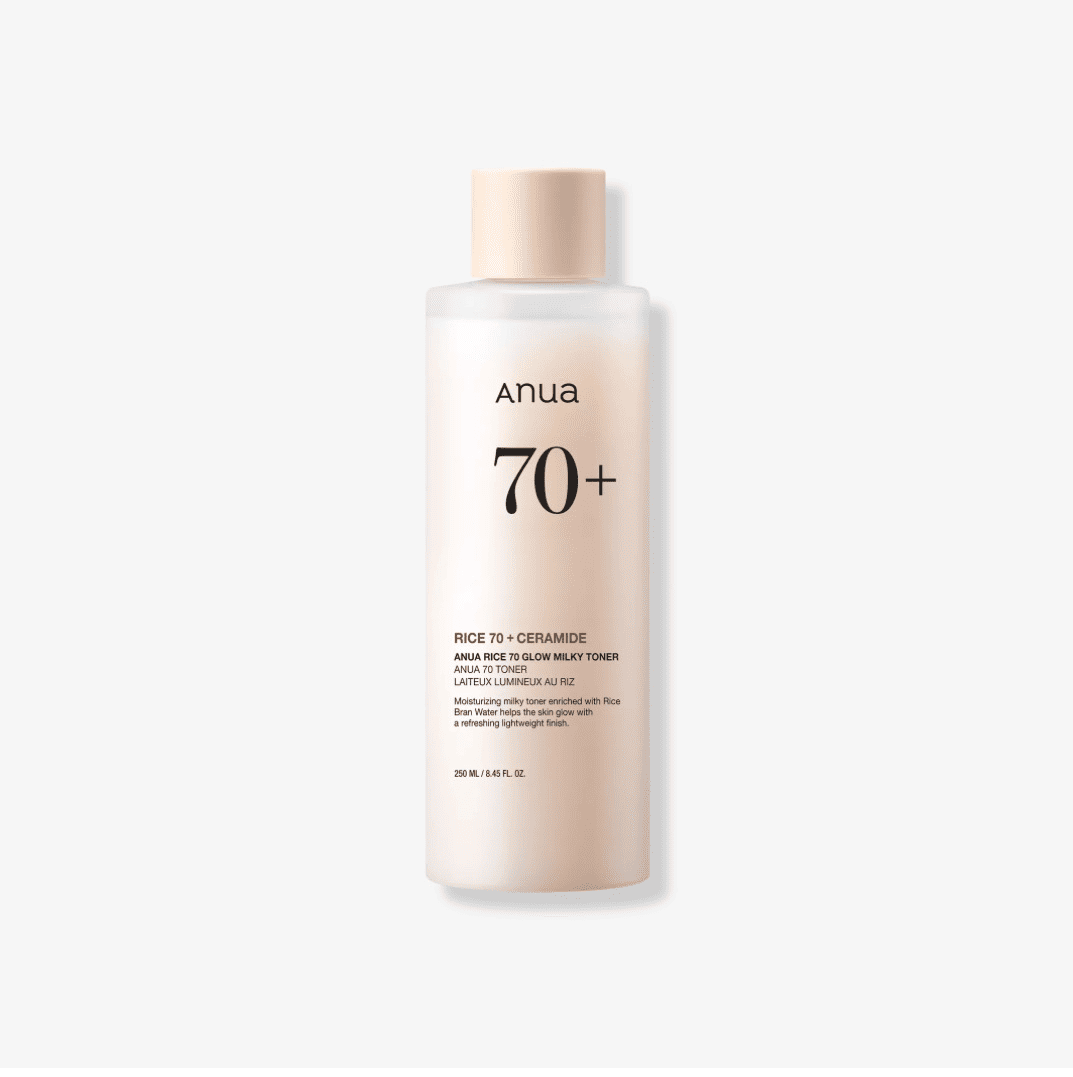
For example, the Anua Heartleaf 77% Soothing Toner is a lightweight toner containing heartleaf extract alongside ingredients such as glycerin, betaine, and panthenol.
If you want to understand exactly where toner belongs in your routine, see Do You Apply Toner or Moisturizer First?.
Correct order:
Cleanser → Toner
Step 3: Add an Essence if You Need One
Essence is an optional step between toner and serum.
Korean essences are generally lightweight and hydration-focused, making them useful when you want another layer of moisture without immediately moving to a heavier cream.
However, you do not need both an essence and toner.
Likewise, you don’t need an essence simply because it is part of a traditional multi-step Korean skincare routine.
If your skin already feels hydrated and comfortable after toner, you can move directly to serum.
Essence vs Toner
Feature | Toner | Essence |
Texture | Usually watery/lightweight | Usually lightweight, slightly richer |
Main role | Hydration and skin preparation | Hydration and conditioning |
Required? | No | No |
Best placement | After cleansing | After toner |
Can you skip it? | Yes | Yes |
The right choice depends on your skin and the rest of your routine.
Step 4: Apply Serum or Ampoule
Serum and ampoule steps are where Korean skincare becomes more targeted.
Depending on the formula, a serum may be designed for:
- Hyperpigmentation
- Acne-prone skin
- Excess oil
- Dehydration
- Uneven texture
- Dullness
- Signs of aging
- Skin-barrier support
Generally, thinner, water-based products are applied before thicker formulas.
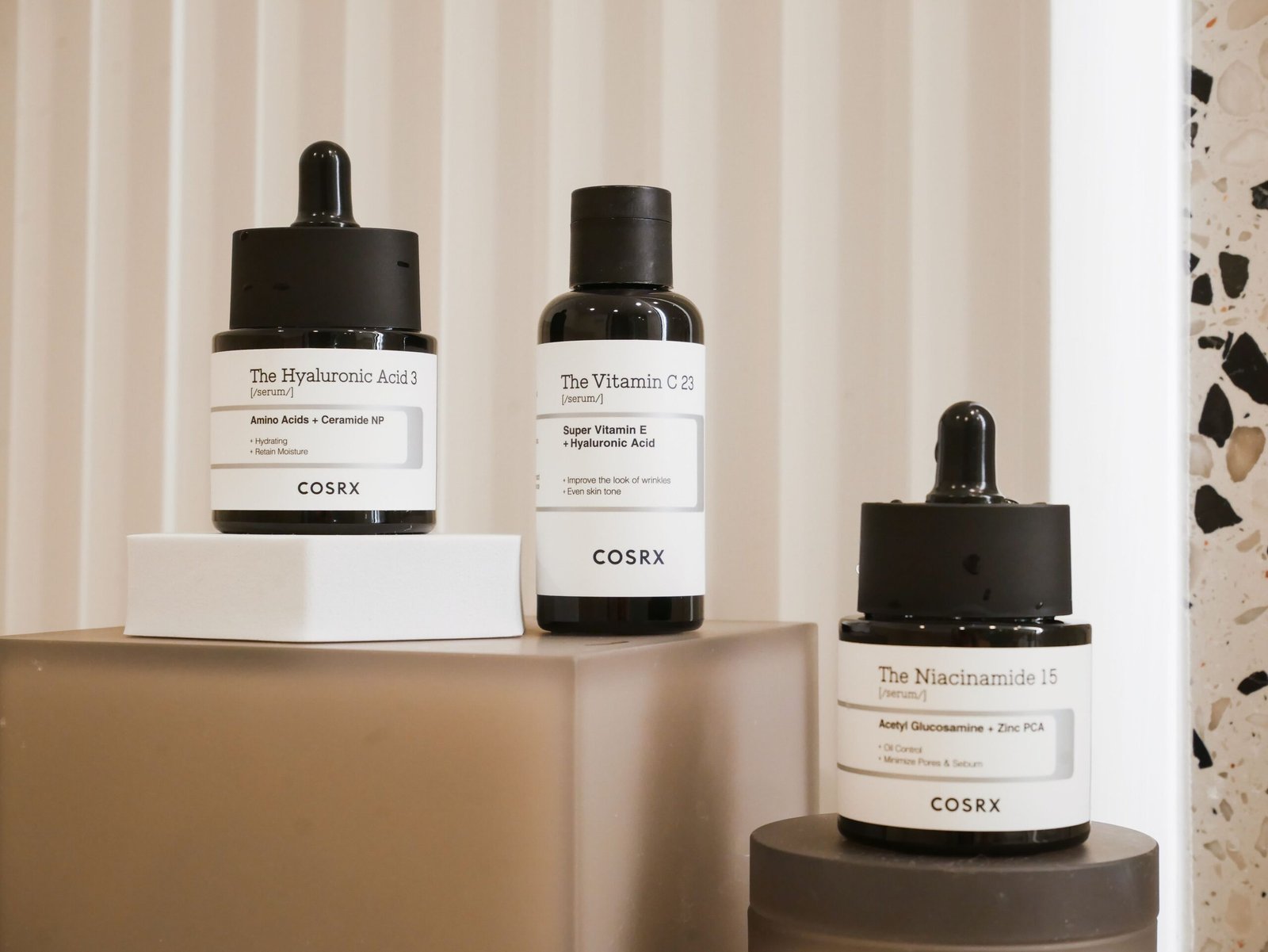
For example, COSRX The Niacinamide 15 is a lightweight serum containing 15% niacinamide, zinc PCA, acetyl glucosamine, and allantoin. MoskinLocker positions it for oily, combination, and acne-prone skin and recommends applying it after cleansing during the serum step.
How Many Serums Can You Layer?
You can layer more than one serum, but you do not necessarily need to.
Too many active products can make a routine unnecessarily complicated and may increase the chance of irritation.
Our guide on How Many Serums Can You Use at Once? explains why serum layering should be based on your skin’s tolerance and the ingredients in each product.
A simple rule is:
Choose the serum that addresses your most important skin concern first.
Step 5: Where Do Active Ingredients Go?
Exfoliating acids and other treatment products can require a little more planning.
Common skincare actives include:
- BHA/salicylic acid
- AHA
- PHA
- Vitamin C
- Retinoids
- Niacinamide
- Tranexamic acid
- Azelaic acid
There is no single layering rule that applies to every active ingredient because product formulations and instructions vary.
For example, if you are using an exfoliating BHA product, it will generally be applied after cleansing and before your hydrating layers.
A simplified routine could look like:
Cleanser → BHA → Toner → Serum → Moisturizer
However, you do not need to use every active in the same routine.
If you are considering combining exfoliating acids, read our guide on BHA and Vitamin C, which explains how to approach that combination while considering irritation and skin tolerance.
Active Ingredient Layering Rule
Do not confuse “can be layered” with “should be layered.”
A routine containing five active ingredients may look impressive on paper but can be unnecessarily irritating.
Start slowly, introduce one new active at a time, and follow the instructions for the individual product.
Step 6: Eye Cream Is Optional
Eye cream comes after your serum or treatment and before moisturizer.
However, this is an optional step.
You do not need a dedicated eye cream to have a complete Korean skincare routine.
If you use one, apply a small amount gently around the eye area without excessive rubbing.
The important thing is to use a product for a specific reason rather than adding another layer simply because it is part of a traditional routine.
Step 7: Moisturizer Comes Before Sunscreen
Moisturizer is usually applied after your lighter skincare products.
It helps provide hydration and supports the skin barrier by reducing moisture loss.
Your moisturizer should match your skin type.
Choose Your Moisturizer by Skin Type
Skin Type | Look For |
Oily | Lightweight gel or lotion |
Combination | Lightweight moisturizer |
Dry | Richer cream |
Sensitive | Simple, soothing formula |
Acne-prone | Lightweight, non-comedogenic option |
Dehydrated | Humectants + barrier-supportive ingredients |
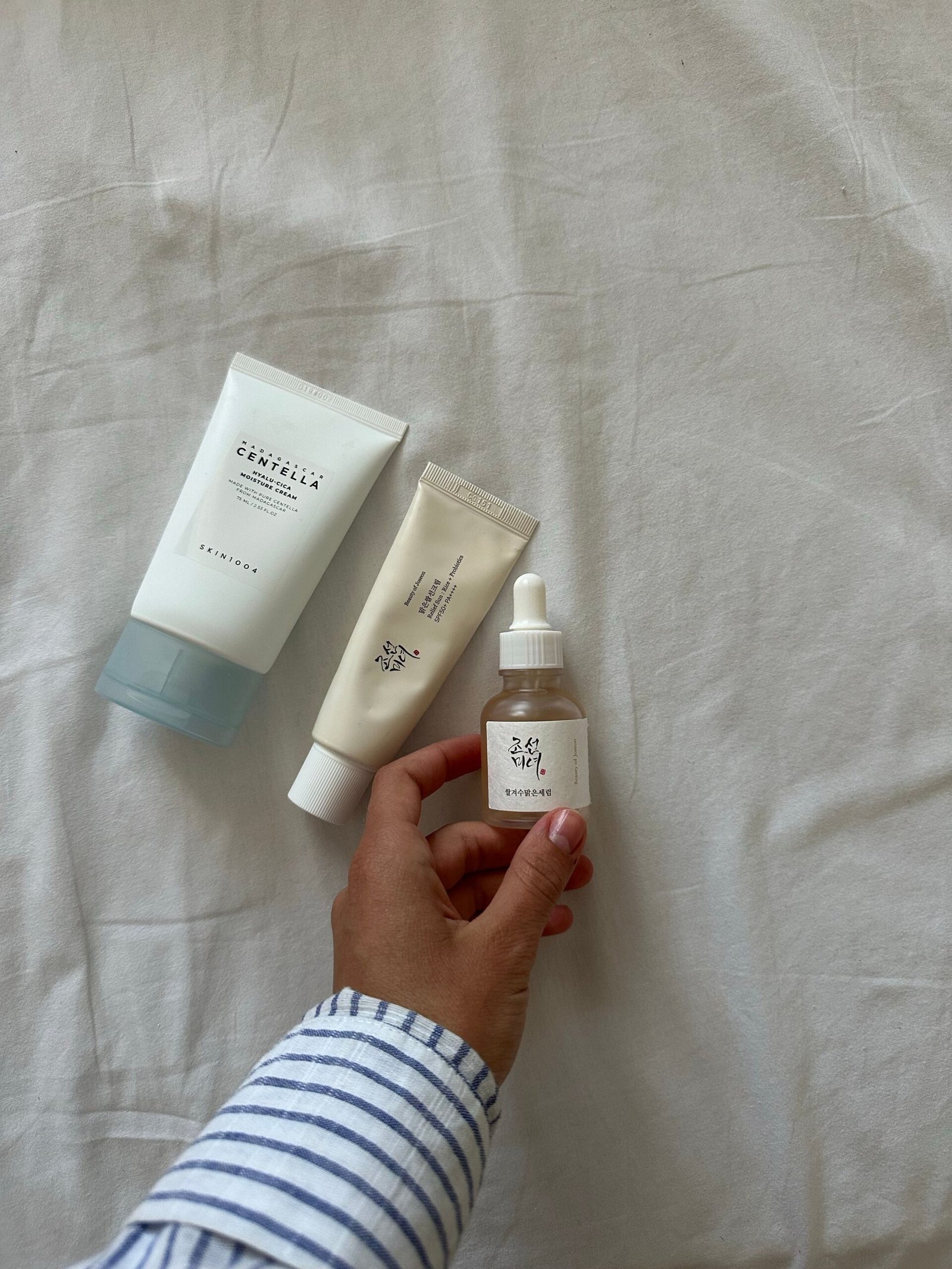
For example, the Beauty of Joseon Dynasty Cream is a richer moisturizing option containing ingredients including rice water, ginseng, niacinamide, squalane, hyaluronic acid, and ceramide NP.
If your skin is irritated, however, resist the temptation to keep adding products.
Our Best Korean Skincare for Skin Barrier Repair guide recommends simplifying the routine when the barrier is compromised and focusing on gentle cleansing, soothing hydration, moisturizer, and sunscreen.
Step 8: Sunscreen Is the Final Morning Step
If you remember only one rule about how to layer skincare in the morning, remember this:
Sunscreen goes last.
Your morning routine should generally finish with broad-spectrum sunscreen after your moisturizer and other skincare products.
A Korean sunscreen can provide the final protective step without necessarily feeling heavy or greasy.
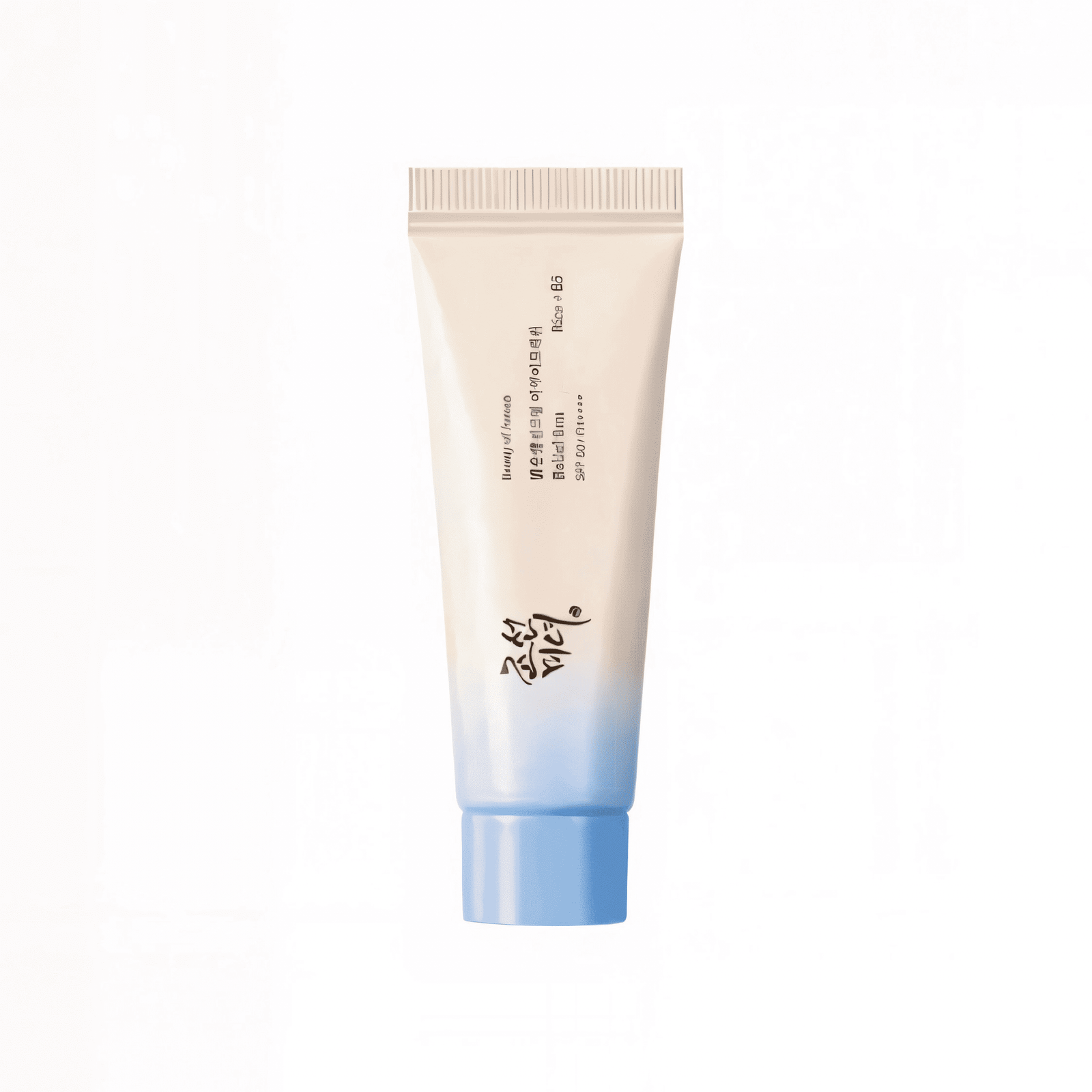
For example, the Beauty of Joseon Relief Sun is a popular Korean sunscreen option, while the SKIN1004 Hyalu-Cica Water-Fit Sun Serum offers a lightweight, serum-like texture.
Morning Order
Cleanser → Toner → Essence → Serum → Moisturizer → Sunscreen
Not every step is necessary.
A minimalist version can simply be:
Cleanser → Moisturizer → Sunscreen
How to Layer Korean Skincare for Different Skin Types
The order stays similar, but your products should change based on your skin’s needs.
Korean Skincare for Oily Skin
A lightweight routine may look like:
Cleanser → Toner → Serum → Lightweight Moisturizer → Sunscreen
Avoid trying to remove every trace of oil with harsh cleansing. Our Korean Skincare Routine for Oily Skin focuses on balancing hydration with oil-control and targeted care.
Korean Skincare for Dry Skin
Try:
Gentle Cleanser → Hydrating Toner → Essence → Hydrating Serum → Moisturizer → Sunscreen
Dry skin generally benefits more from supporting hydration and moisture than from repeatedly exfoliating.
Korean Skincare for Combination Skin
Try:
Cleanser → Toner → Targeted Serum → Lightweight Moisturizer → Sunscreen
You can adjust the amount of moisturizer depending on the area of your face. Our Korean Skincare Routine for Combination Skin explores this approach in more detail.
Korean Skincare for Sensitive Skin
Keep it simple:
Gentle Cleanser → Hydrating Toner → Soothing Serum → Moisturizer → Sunscreen
Ingredients such as centella asiatica, panthenol, glycerin, and other soothing or hydrating ingredients can be useful depending on the formula.
Our Korean Skincare for Sensitive Skin guide recommends a simple routine centered around gentle cleansing, hydration, soothing products, moisturizer, and sunscreen.
How Long Should You Wait Between Skincare Layers?
You don’t need to follow a strict timer between every product.
Instead, apply a thin layer, gently spread or press it into the skin, and allow it to settle before applying the next product.
If your skincare starts pilling, the problem may be:
- Too much product
- Too many layers
- Excessive rubbing
- Incompatible product textures
- Not allowing layers to settle
- Applying makeup before skincare has settled
If you regularly experience pilling under makeup, see Why Is My Skincare Pilling Under Makeup?.
Common Korean Skincare Layering Mistakes
1. Using Too Many Products
A 10-step routine is optional, not mandatory.
2. Applying Heavy Products Before Lightweight Ones
As a general rule, move from thinner textures toward thicker textures.
3. Skipping Moisturizer Because Your Skin Is Oily
Oily skin can still become dehydrated. Choose a lighter moisturizer rather than automatically eliminating the step.
4. Using Too Many Actives
BHA, AHA, vitamin C, retinoids, and other treatments should be introduced thoughtfully.
5. Applying Sunscreen Too Early
Sunscreen should generally be the final skincare step in the morning.
6. Changing Everything at Once
Introduce new products gradually so you can understand how your skin responds.
Korean Skincare Layering Cheat Sheet
Save this simple chart for your daily routine:
MORNING
↓
Cleanser
↓
Toner
↓
Essence
↓
Serum / Ampoule
↓
Eye Cream (Optional)
↓
Moisturizer
↓
SUNSCREEN
EVENING
↓
Oil Cleanser / Balm (If Needed)
↓
Water-Based Cleanser
↓
Exfoliant / Treatment (When Appropriate)
↓
Toner
↓
Essence
↓
Serum / Ampoule
↓
Eye Cream (Optional)
↓
Moisturizer / Cream
The routine can be shortened whenever your skin doesn’t need another layer.
Frequently Asked Questions About How to Layer Skincare
What is the correct Korean skincare order?
The general order is cleanser, toner, essence, serum or ampoule, eye cream, moisturizer, and sunscreen in the morning. In the evening, sunscreen is removed and treatment products can be incorporated according to your routine.
Should toner go before or after serum?
Toner generally goes before serum. Toner provides a lightweight hydration step, followed by more targeted serum products.
Should moisturizer go before or after serum?
Moisturizer generally comes after serum. It provides the moisturizing layer after your lighter treatment products.
Does sunscreen go before or after moisturizer?
Sunscreen generally goes after moisturizer and should be the final skincare step in your morning routine.
Do I need a 10-step Korean skincare routine?
No. A simple routine can be highly effective. Cleanser, moisturizer, and sunscreen form the basic morning foundation, while additional products can be added according to your skin concerns.
Can I use two serums together?
Yes, but you don’t necessarily need to. Consider the ingredients, textures, and your skin’s tolerance before layering multiple treatment products.
What goes first: essence or serum?
Essence generally comes before serum because it is typically lighter and more hydration-focused. However, always check the individual product’s directions and texture.
How long should I wait between skincare products?
You generally don’t need a strict waiting period. Allow each layer to settle comfortably before applying the next and avoid excessive rubbing.
Build Your Korean Skincare Routine With MoSkinLocker
You don’t need to copy every step of a traditional Korean skincare routine.
The better approach is to identify your skin type and primary concern, then choose products that each serve a clear purpose.
Your Basic Korean Skincare Routine
For the morning:
- Cleanser
- Toner, if needed
- Serum, if needed
- Moisturizer
- Sunscreen
For the evening:
- Oil cleanser/balm, if needed
- Water-based cleanser
- Treatment, if needed
- Toner
- Serum
- Moisturizer
Match the Routine to Your Skin
Your Main Concern | Prioritize |
Oily skin | Lightweight hydration + targeted oil-control products |
Dry skin | Hydrating layers + richer moisturizer |
Acne-prone skin | Gentle cleansing + targeted treatment + moisturizer |
Sensitive skin | Simple, soothing, barrier-conscious routine |
Hyperpigmentation | Brightening ingredients + daily sunscreen |
Combination skin | Lightweight hydration + targeted products |
Dehydrated skin | Humectants + moisturizer |
You can explore MoskinLocker’s Korean skincare collection and build your routine step by step rather than purchasing every product at once.
explore:
Final Takeaway: How to Layer Korean Skincare Correctly
Learning how to layer skincare doesn’t mean creating the longest possible routine.
The basic Korean skincare order is:
Cleanser → Toner → Essence → Serum/Ampoule → Eye Cream → Moisturizer → Sunscreen
Think of your routine as a progression:
Clean → Hydrate → Target → Moisturize → Protect
Start with the products your skin actually needs, introduce active ingredients gradually, and simplify your routine if your skin becomes irritated.
Most importantly, consistency matters more than the number of products on your bathroom shelf.
Whether you’re building a routine for oily, dry, combination, sensitive, or acne-prone skin, the goal is the same: choose complementary products, layer them in a sensible order, and give your skin time to adjust.
Explore Korean skincare at MoskinLocker and build your routine one purposeful step at a time.