If you’ve ever wondered, Is Korean skin care good for sensitive skin? You’re not alone. With K-beauty exploding globally and more people identifying as sensitive-skinned, it’s a question that dermatologists, beauty editors, and cosmetic formulators hear constantly.
And the answer, according to experts and evolving industry trends, is increasingly yes, especially as Korean skincare brands shift toward fragrance-free, soothing, and barrier-supporting formulas designed specifically with reactive skin in mind.
In this detailed guide, we’ll explore why Korean skincare has become more sensitive-skin friendly, what ingredients make the biggest difference, what to avoid, and how real experts view the evolution of K-beauty’s approach to delicate skin.
Whether you’re dealing with redness, irritation, dryness, or a weak skin barrier, this blog will help you navigate K-beauty confidently, safely, and effectively.
The Rise of K-Beauty and Why Sensitive Skin Is a Global Concern
K-beauty’s global rise is impossible to miss: its multi-step routines, innovative textures, layered hydration techniques, and botanical-powered formulas have transformed skincare culture around the world. Yet, for many people with reactive skin, Korean skincare once seemed intimidating, sometimes heavily fragranced, filled with essential oils, or layered with potential irritants.
But things have changed dramatically.
Recent studies show sensitive skin is extremely common in Korea, with 56.8% of Koreans reporting sensitivity, compared to 44.6% of Americans. Experts believe pollution levels and overly complicated skincare routines may contribute to this rise.
As a result, Korean brands have had to adapt quickly, creating gentler, more minimalist products that cater to people whose skin reacts easily.
This shift has brought about a new era of calming, fragrance-free, barrier-supporting Korean skincare, making it more compatible than ever for sensitive skin types.
Understanding Sensitive Skin: What Makes It React?
Before asking Is Korean skin care good for sensitive skin, it’s important to understand what sensitive skin really is.
Sensitive skin isn’t just one skin type; it’s a reactive condition characterized by:
- Redness and flushing
- Burning or stinging sensations
- Irritation from weather, ingredients, or over-exfoliating
- A compromised, weakened skin barrier
- Difficulty tolerating fragrance, essential oils, or drying alcohols
For many people, the issue isn’t “too many products”; it’s the wrong products. Sensitive skin thrives when treated with gentle, fragrance-free, hydrating, and calming ingredients, which is why modern Korean skincare has become increasingly appealing.
Is Korean Skin Care Good for Sensitive Skin? Experts Say Yes
So, is Korean skin care good for sensitive skin today?
Yes — and the beauty world is finally catching up to why.
Historically, Korean skincare, much like French beauty, relied heavily on fragrance. Many early K-beauty products contained perfumes, essential oils, and botanicals that could irritate reactive skin. But as more consumers reported sensitivity, Korean brands shifted direction.
Expert Insight #1: Korean Skincare Used to Be Heavy on Fragrance
Cosmetic formulator Mary Schook, who has decades of experience in the Korean beauty industry, explains that fragrance was once a key component of Korean skincare. Back when the beauty industry pushed for “natural” scents, many brands used citrus-derived essential oils, better than synthetic fragrance, perhaps, but still prone to causing irritation or photosensitivity.
This was problematic for sensitive skin.
Expert Insight #2: Consumers Started Demanding Fragrance-Free Options
Charlotte Cho, founder of Soko Glam, notes that Korean consumers have begun shifting their preferences. Today’s beauty shoppers want gentler, less fragranced formulas, not layered products that clash with one another or trigger irritation.
This led to a new wave of Korean skincare that prioritizes:
- Fragrance-free formulas
- Minimal essential oils
- Barrier-supporting ingredients
- Reduced use of volatile compounds (irritating scent molecules)
One notable milestone? The launch of the Klairs Supple Preparation Unscented Toner, a completely fragrance-free version created specifically due to overwhelming global and domestic demand.
Why Modern Korean Skin Care Works So Well for Sensitive Skin
The new generation of K-beauty offers exactly what sensitive skin needs. Here’s why experts say it’s now one of the best skincare approaches for reactive skin types.
1. A Strong Focus on Soothing Ingredients
Many modern Korean skincare products center around ingredients scientifically proven to calm irritation, reduce redness, and strengthen the barrier.
Top calming ingredients used in K-beauty include:
- Centella Asiatica (Cica) – anti-inflammatory and healing
- Madecassoside – a concentrated compound of Centella that reduces redness
- Snail Mucin – hydrating and barrier-repairing
- Green Tea Extract – antioxidant-rich and calming
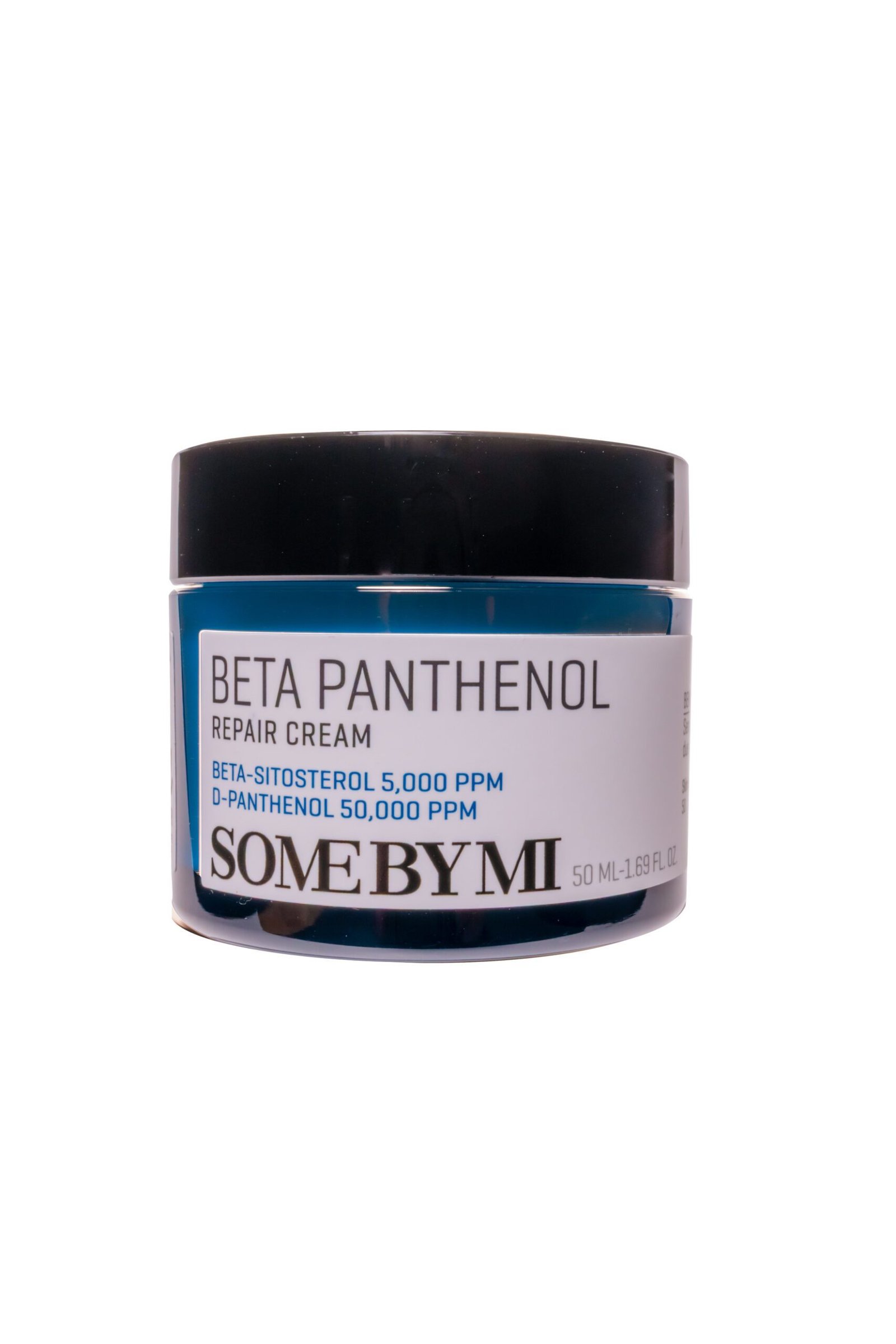
- Panthenol (Vitamin B5) – deeply soothing and hydrating
- Mugwort – anti-bacterial and calming for inflamed skin
These ingredients help strengthen the barrier, the key to preventing flare-ups.
2. Gentle Exfoliants Instead of Harsh Acids
Traditional acids like AHAs and BHAs can be too strong for sensitive skin when used in high concentrations.
K-beauty offers gentler alternatives:
- PHAs (Polyhydroxy Acids) – exfoliate with minimal irritation
- LHAs (Lipo-Hydroxy Acid) – very mild, ideal for sensitive and acne-prone skin
These ingredients smooth skin, unclog pores, and brighten the complexion without stripping or inflaming delicate skin.
3. Layered Hydration Rather Than Aggressive Treatments
Korean skincare is built on the philosophy of hydration first — not exfoliation, not intense actives, and not quick-fix solutions.
Lightweight layers such as:
…hydrate the skin deeply without overwhelming it or causing breakouts.
This is especially helpful for sensitive skin, which often suffers from dehydration and barrier damage.
4. Low-pH, Minimalist Cleansers
Sensitive skin thrives when cleansed gently.
Low-pH cleansers around 5.5, the natural pH of the skin, help maintain barrier health and prevent dryness or stinging. Many new K-beauty cleansers are formulated to be:
- Sulfate-free
- Fragrance-free
- Minimalist
- Barrier-safe
This shift is one of the biggest improvements in K-beauty for reactive skin types. Luckily for you, Moskinlcoker has a wide variety of sensitivity-friendly cleansers!
Expert-Backed: Best Korean Skin Care Products for Sensitive Skin
Based on expert insights and consumer demand, here are standout K-beauty products specifically designed for sensitive skin. These come directly from the summaries you provided.
1. Klairs Supple Preparation Unscented Toner
- Completely fragrance-free
- Lightweight texture
- Filled with amino acids and soothing licorice root
- Highly praised for calming irritation, evening tone, and improving glow
2. COSRX Triple C Lightning Liquid
- 20.5% pure Vitamin C
- Brightens dullness and pigmentation
- Loved for boosting collagen and improving clarity
3. Benton Fermentation Eye Cream
- Hydrates without irritation
- Contains ceramides and panthenol
- Designed for the delicate eye area
4. Neogen Real Cica Pad
- Packed with Centella Asiatica and ceramides
- Helps calm and repair skin
- Contains a small amount of bergamot oil (caution for very reactive skin)
5. COSRX BHA Blackhead Liquid
- A gentle BHA formulation
- Helps clear pores without irritating
- A favorite for people who have both sensitive and congested skin
These products reflect the modern movement of Korean skincare toward sensitivity-conscious formulas.
A Simple K-Beauty Routine for Sensitive Skin
If you’re new to Korean skincare and have reactive skin, here’s a gentle, expert-inspired routine based solely on the principles in the summary.
Morning Routine
- Low-pH gentle cleanser
- Hydrating, fragrance-free toner
- Soothing serum or ampoule
- Choose Centella, green tea, or panthenol
- Choose Centella, green tea, or panthenol
- Lightweight moisturizer
- Fragrance-free sunscreen
Evening Routine
- Gentle cleanser (double cleanse only if you wore makeup)
- Hydrating toner
- Optional calming essence (snail mucin or mugwort)
- Ampoule/serum for redness repair
- Barrier-repair moisturizer
- Optional sheet mask, 2–3× weekly
This routine supports the skin barrier — the foundation of healthy, non-irritated skin.
What to Avoid If You Have Sensitive Skin
Even within the world of Korean skincare, not everything is suitable for reactive skin. Sensitive-skinned users should avoid:
- Heavy fragrances
- Strong essential oils (lavender, citrus, etc.)
- High concentrations of AHAs/BHAs
- Drying alcohols
- Over-exfoliating
- Too many actives layered at once
As experts emphasize, sensitive skin does best with simplicity and hydration.
Conclusion: Is Korean Skin Care Good for Sensitive Skin?
Absolutely. Especially today.
Modern Korean skincare has shifted dramatically toward:
- Fragrance-free formulas
- Barrier-supporting ingredients
- Calming botanicals
- Low-pH cleansers
- Gentle exfoliants like PHAs
- Hydration-first routines
Experts agree that K-beauty now offers some of the most gentle, innovative, and effective options for people with reactive skin. With ingredients like Centella, panthenol, snail mucin, and green tea leading the charge, sensitive-skin users can finally explore Korean skincare without fear of irritation.
Your skin doesn’t need more steps; it needs the right steps.
And today, Korean skincare has never been better equipped to give sensitive skin exactly what it needs.