Monsoon skin care becomes essential when humidity, sweat, and unpredictable weather start affecting how your skin behaves. During the rainy season, skin often becomes oily, sticky, and more prone to clogged pores, breakouts, and dullness.
These changes are not just surface-level; they happen because excess moisture in the air disrupts the skin’s natural balance and affects how oil and bacteria interact on the skin.
This is why a proper monsoon skin care routine is not optional but necessary for maintaining healthy, clear skin. Unlike summer or winter routines, monsoon skincare needs a more flexible approach that focuses on deep cleansing, lightweight hydration, and protection from environmental damage.
In this guide, you’ll learn how to build an effective monsoon skin care routine for every skin type, along with practical steps that help you manage oil, prevent acne, and maintain a natural glow throughout the season.
Why Monsoon Skin Care Needs a Different Approach
Monsoon weather creates a unique environment for the skin. High humidity levels trap sweat and oil on the skin’s surface, making it harder for pores to stay clean. This leads to congestion, blackheads, and frequent breakouts, especially for people with oily or acne-prone skin.
At the same time, the skin can also become dull due to the buildup of dead skin cells and environmental impurities. The constant shift between warm and cool temperatures can further disrupt the skin barrier, making it more sensitive or reactive.
Monsoon skin care is therefore about balance, controlling excess oil without stripping moisture, and protecting the skin without overloading it with heavy products.
Step 1: Cleansing: The Foundation of Monsoon Skin Care
Cleansing is the most important step in any monsoon skin care routine. During this season, sweat, oil, and pollution accumulate more quickly on the skin, making it essential to clean the face thoroughly.
A gentle, soap-free cleanser works best because it removes impurities without disturbing the skin’s natural moisture barrier. Harsh cleansers can strip the skin, causing it to produce even more oil in response.
The goal is simple: keep the skin clean, fresh, and breathable without over-drying it. Cleansing twice a day, morning and evening, is usually enough to maintain clarity during the monsoon season.
Step 2: Exfoliation: Clearing Dead Skin and Preventing Dullness
Exfoliation plays a key role in monsoon skin care because humidity often leads to the buildup of dead skin cells. This buildup can make the skin look dull, rough, and uneven.
Gentle exfoliation helps unclog pores, improve skin texture, and support natural skin renewal. However, over-exfoliation should be avoided, as it can damage the skin barrier and increase sensitivity.
For most skin types, exfoliating 1–2 times per week is sufficient. The focus should always be on gentle removal of dead skin rather than aggressive scrubbing.
Regular exfoliation helps the skin breathe better and improves the effectiveness of other skincare products.
Step 3: Toning: Balancing and Refreshing the Skin
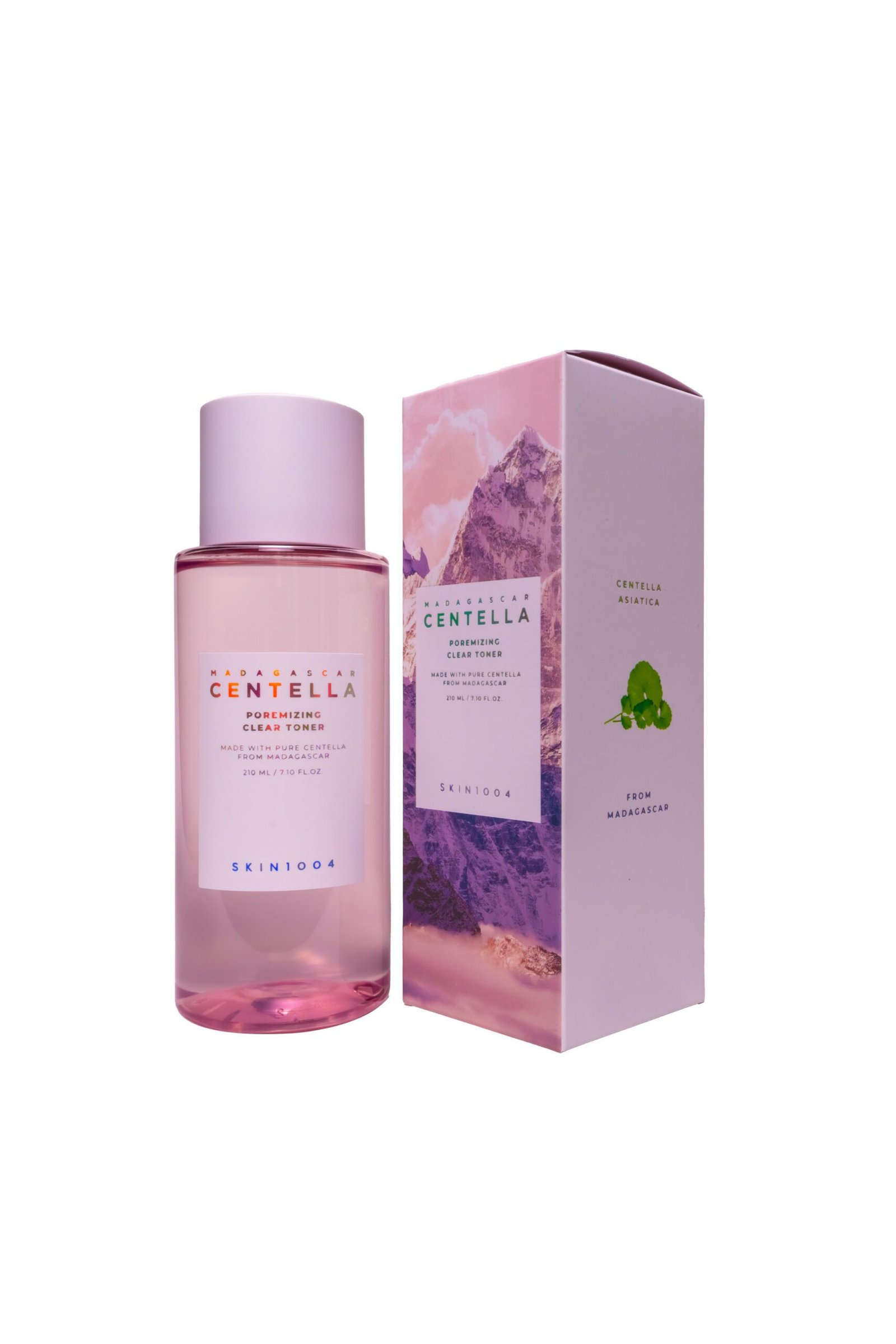
Toning is often skipped, but it plays an important role in monsoon skin care. A good toner helps remove leftover impurities after cleansing and restores the skin’s pH balance.
During humid weather, pores tend to get clogged more easily, and toners help keep them clean and tight. Alcohol-free toners are ideal because they refresh the skin without drying it out.
Natural options like rose water or cucumber-based toners can also help soothe the skin and maintain hydration.
Toning acts as a bridge step that prepares the skin for better absorption of serums and moisturizers.
Step 4: Moisturizing: Hydration Without Heaviness
One of the biggest misconceptions in monsoon skin care is that oily skin doesn’t need moisturizer. In reality, every skin type needs hydration, even in humid weather.
The key is choosing the right texture. Lightweight, gel-based, or non-comedogenic moisturizers are ideal for oily and combination skin because they hydrate without clogging pores.
Dry skin types may still require slightly richer formulations, but heavy creams should generally be avoided during the monsoon season.
A well-chosen moisturizer helps maintain the skin barrier and prevents dehydration beneath the surface.
Step 5: Sunscreen: Daily Protection, Rain or Shine
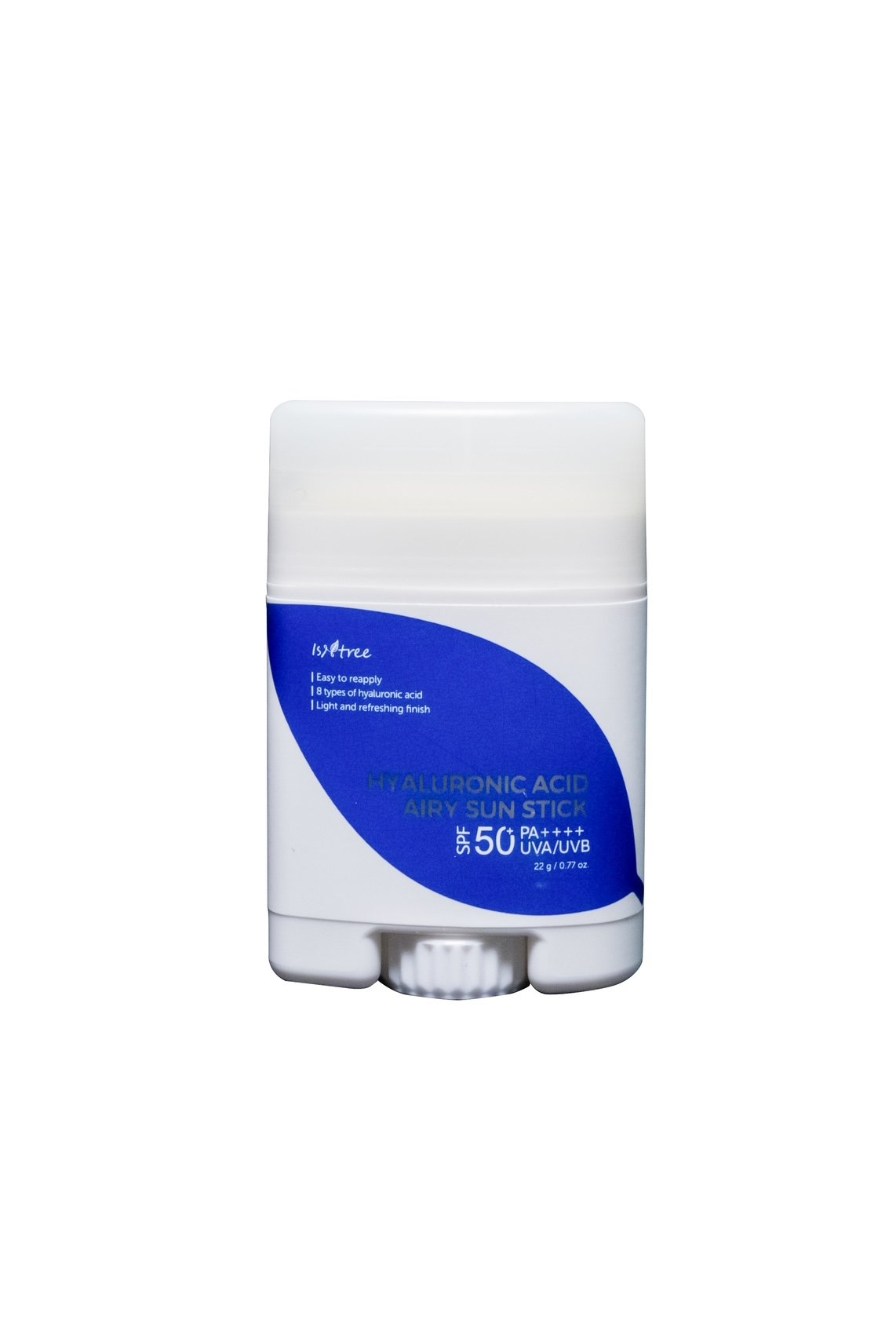
Sunscreen is a non-negotiable part of monsoon skin care. Even on cloudy or rainy days, UV rays can penetrate the atmosphere and cause skin damage.
Daily sunscreen use helps prevent tanning, premature aging, and long-term skin damage. A broad-spectrum sunscreen with adequate SPF should be applied every morning before stepping outside.
Skipping sunscreen during the monsoon can lead to cumulative damage that is often not immediately visible but affects skin health over time.
Protection should be consistent, not seasonal.

Step 6: Serum Care: Targeted Skin Support
Serums add an extra layer of targeted care to your monsoon skin care routine. Since serums are concentrated treatments, they can address specific concerns more effectively than general skincare products.
Niacinamide is especially useful during the monsoon because it helps control oil production, reduces redness, and improves overall skin texture. Vitamin C serums support brightness and protect against environmental damage.
Using the right serum helps strengthen the skin from within and improves overall resilience during humid conditions.
However, it is important not to overload the skin with too many serums at once. Simplicity is key.
Step 7: Sun-Cloud Reality: Why UV Protection Still Matters
Many people assume that cloudy weather reduces sun exposure, but UV rays remain active even during the monsoon season. This makes sun protection an ongoing necessity.
Without proper sunscreen use, skin can still experience tanning, pigmentation, and early signs of aging. Over time, this damage accumulates and affects skin clarity and texture.
Monsoon skin care is not just about managing humidity; it is also about preventing invisible sun damage that builds up quietly.
Daily protection ensures long-term skin health and radiance.
Step 8: Makeup Habits: Less Is More in Monsoon
Heavy makeup during the monsoon can easily clog pores due to increased humidity and sweat. This leads to breakouts and uneven skin texture.
A lighter approach works better during this season. Minimal makeup or breathable formulations help the skin stay fresh and reduce the risk of congestion.
Instead of relying on makeup for glow, focusing on skincare gives more sustainable results. Healthy skin naturally reduces the need for heavy coverage.
Monsoon skin care is about letting the skin breathe.
Step 9: Diet and Internal Care: Skin Health from Within
Skincare is not only about external products. Diet plays a significant role in how skin behaves during the monsoon.
Foods rich in antioxidants, such as fruits, vegetables, nuts, and seeds, help support skin health and reduce inflammation. Vitamin C-rich foods are especially beneficial for maintaining brightness and strengthening the skin barrier.
Hydration is equally important. Drinking enough water helps flush out toxins and supports overall skin function.
Internal care strengthens the results of external skincare routines.
Step 10: Weekly Detox: Masks and Deep Care
A weekly detox routine can help reset the skin during the monsoon. Clay masks are particularly effective for absorbing excess oil, unclogging pores, and removing impurities.
Using a mask once or twice a week helps maintain clarity and prevents buildup caused by humidity and pollution.
This step works as a deep-cleaning reset for the skin, improving both texture and appearance over time.
Consistency matters more than intensity.
Monsoon Skin Care for Every Skin Type
Different skin types react differently during the monsoon, so routines should be adjusted accordingly.
Oily skin needs a stronger focus on oil control, lightweight hydration, and regular cleansing. Dry skin requires balanced moisture without heavy occlusion. Combination skin benefits from a flexible approach that targets different zones separately. Sensitive skin needs gentle, non-irritating products with minimal actives.
Understanding your skin type is essential for building an effective monsoon skin care routine that actually works.
Common Mistakes to Avoid in Monsoon Skin Care
Many skincare issues during the monsoon come from simple mistakes. Over-cleansing can strip the skin and increase oil production. Skipping sunscreen can lead to long-term damage. Using heavy makeup can clog pores and trigger breakouts.
Another common mistake is ignoring exfoliation, which leads to buildup and dullness. Similarly, not adapting skincare to seasonal changes reduces overall effectiveness.
Avoiding these mistakes makes your routine significantly more effective.
Conclusion: Building a Balanced Monsoon Skin Care Routine
A successful monsoon skin care routine is not complicated; it is balanced, consistent, and tailored to seasonal changes. The goal is to manage oil, maintain hydration, protect against UV rays, and keep pores clean without overwhelming the skin.
By following a structured routine that includes cleansing, exfoliation, toning, moisturizing, sun protection, and targeted treatments, you can maintain healthy skin throughout the rainy season.
Monsoon skin care is ultimately about understanding your skin’s changing needs and responding with the right level of care. When done correctly, it ensures that your skin stays clear, calm, and naturally radiant, even in the most humid weather.