Waking up with glowing, refreshed skin isn’t just luck; it’s science and consistency. Your skin works hardest at night, entering its natural repair cycle while you sleep. That’s why following effective Overnight Skincare Tips can dramatically improve your complexion, helping you rise to smoother, brighter skin every morning.
In this guide, we break down how nighttime skin repair works, how to build a simple but powerful routine, and how small habits can transform your complexion overnight.
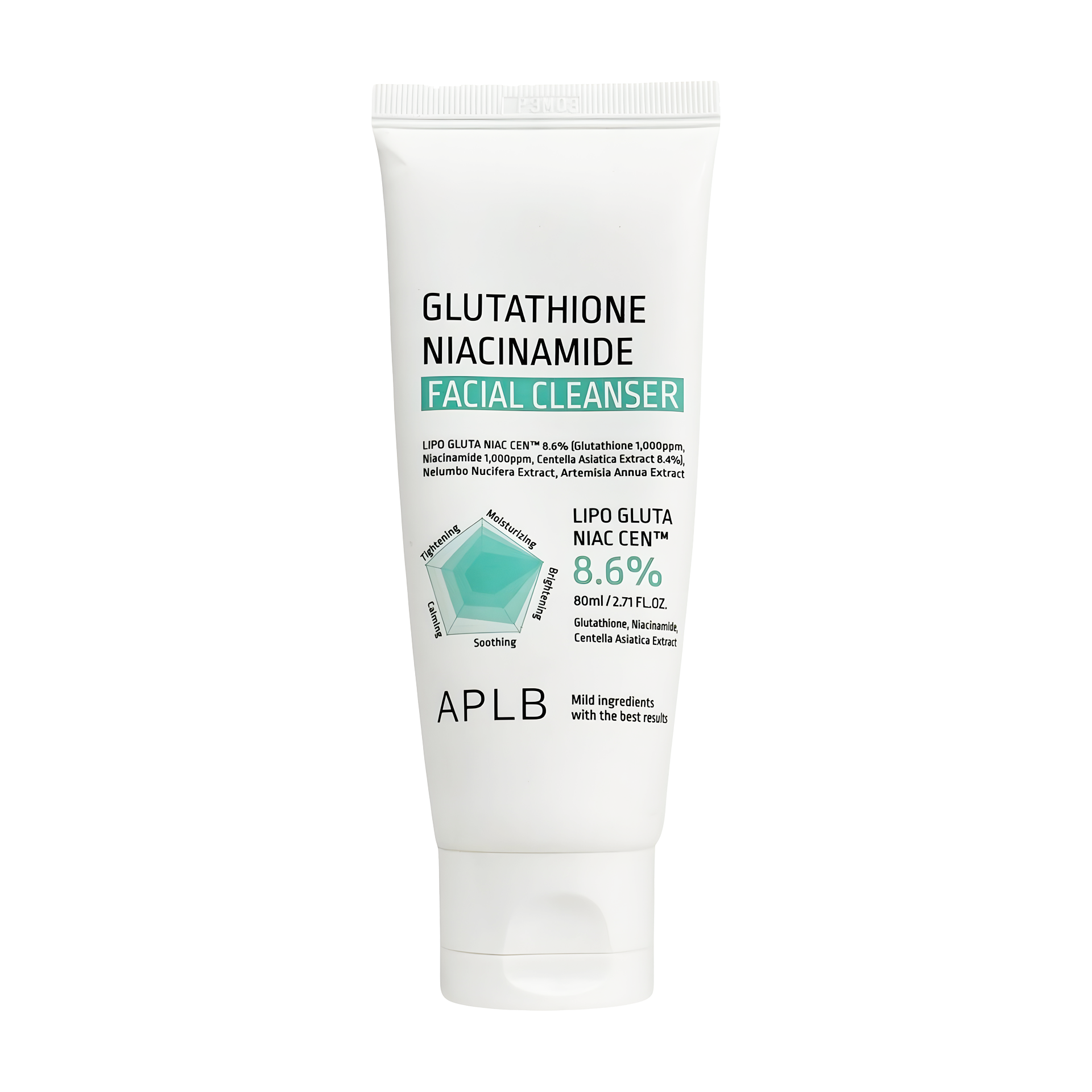
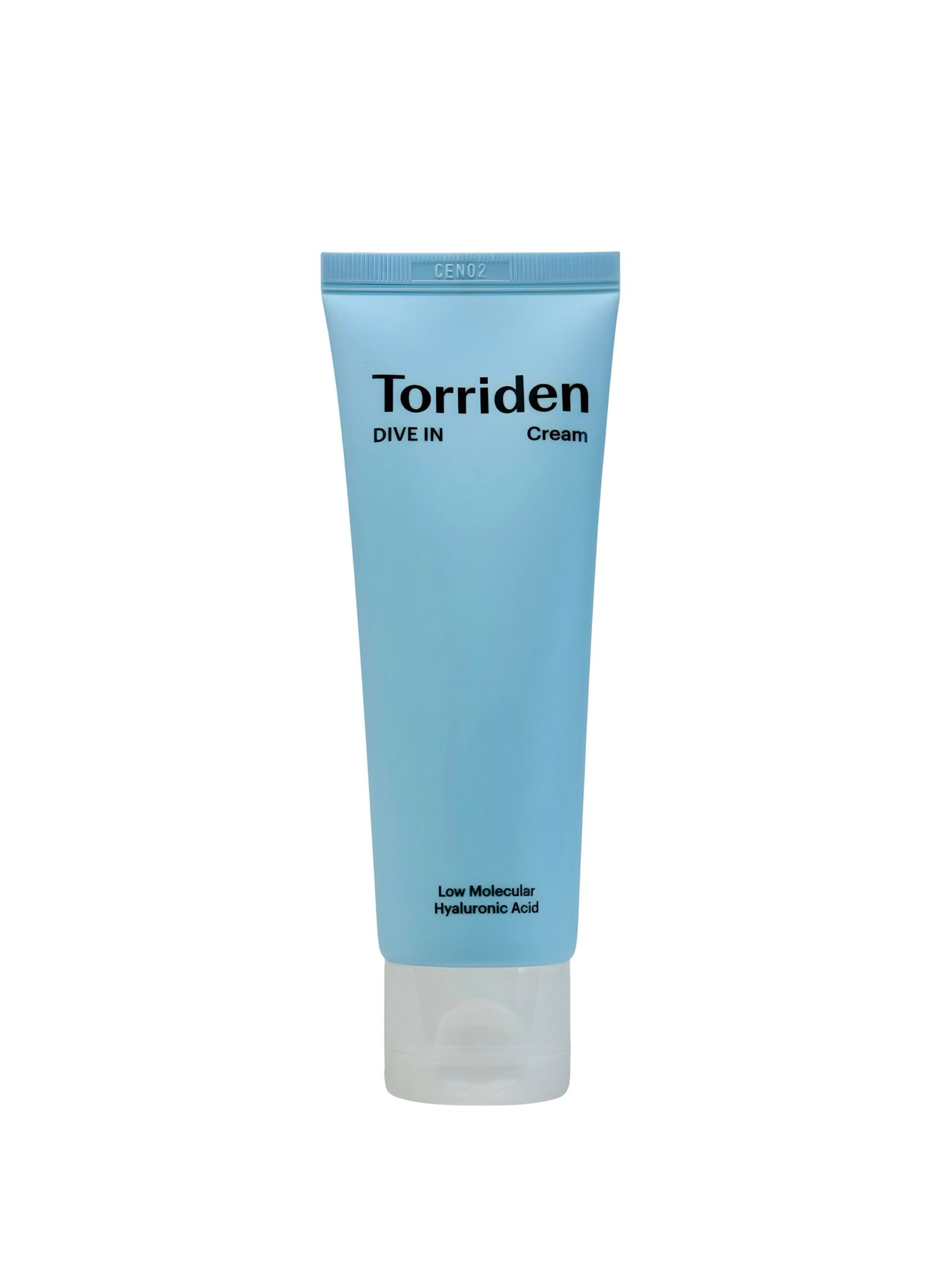
Torriden Dive In Cream
$ 20.00
Why Nighttime Matters: The Science Behind Overnight Skin Repair
Your nighttime skincare routine isn’t just the “PM version” of your morning routine; it serves a completely different purpose. During the day, skincare protects your skin from threats like UV rays, pollution, and makeup. At night, protection takes a back seat, and repair takes the lead.
As you sleep, your skin goes through major physiological changes:
- Blood circulation to the skin increases, bringing oxygen and nutrients where they’re needed most.
- Collagen production rises, helping with firmness, bounce, and wrinkle prevention.
- Moisture loss increases, which actually allows active ingredients to absorb better.
- Cell turnover is boosted by up to 30%, meaning your skin sheds dead cells faster and creates new, healthier ones.
- Your skin gets a break from external stressors, giving it room to regenerate.
This natural “repair mode” is why strategic Overnight Skincare Tips can make such a dramatic difference. When you apply the right products and follow the right habits, you’re essentially supporting your skin while it does its best work.
Overnight Skincare Tips: The 4 Steps You Should Never Skip
A good nighttime routine doesn’t need to be complicated. You don’t need 10 layers or expensive treatments. In fact, the most effective routines follow four simple steps: cleanse, hydrate, moisturize, and care for delicate areas. These steps form the foundation of any smart evening regimen.
Below, we break down each step in detail so you can build your own effective nighttime routine.
Step 1: Cleanse: Start with a Fresh Canvas
Cleansing is the most important first step in any nighttime routine. If you go to bed with makeup, SPF, sweat, pollution, or oil still on your face, it blocks your pores and slows your skin’s natural repair cycle.
How to Cleanse Properly
- Use micellar water, oil cleansers, or coconut oil to dissolve makeup and sunscreen.
- Follow with a gentle, non-stripping cleanser to remove leftover residue.
- Wash with lukewarm water (hot water removes natural moisture).
- Pat dry with a clean towel to avoid irritation.
Why Cleansing Matters
A clean face lets serums and moisturizers sink into your skin more effectively. If you skip this step or rush it, even the best products won’t work as well. Check out our vast selection of cleansers to choose the one for you!
Step 2: Hydrate: Apply a Targeted Serum
Once your skin is clean and free of buildup, it’s primed to absorb nutrients. This is when serums come in. Serums are lightweight, fast-absorbing treatments packed with concentrated ingredients that reach deeper layers of the skin.
Best Serum Options for Nighttime
- Hyaluronic Acid – deep hydration and plumpness
- Vitamin C – brightness, antioxidant protection, glow
- Niacinamide – controls redness, improves skin tone, reduces oil
- Retinol (2–3x weekly) – boosts cell turnover and smooths fine lines
Why This Step Matters
Serums drive visible results by helping your skin repair faster and work more efficiently during its renewal cycle. Choosing the right serum based on your skin concerns will significantly impact how your skin looks in the morning.
Step 3: Moisturize: Lock In Hydration and Nutrients
Moisturizing is essential to maintaining smooth, supple, nourished skin throughout the night. As you sleep, your skin loses moisture, so applying a hydrating cream helps prevent dryness and supports barrier repair.
Look for Moisturizers With:
- Ceramides
- Shea butter
- Aloe vera
- Glycerin
- Vitamin E
How to Apply Moisturizer Effectively
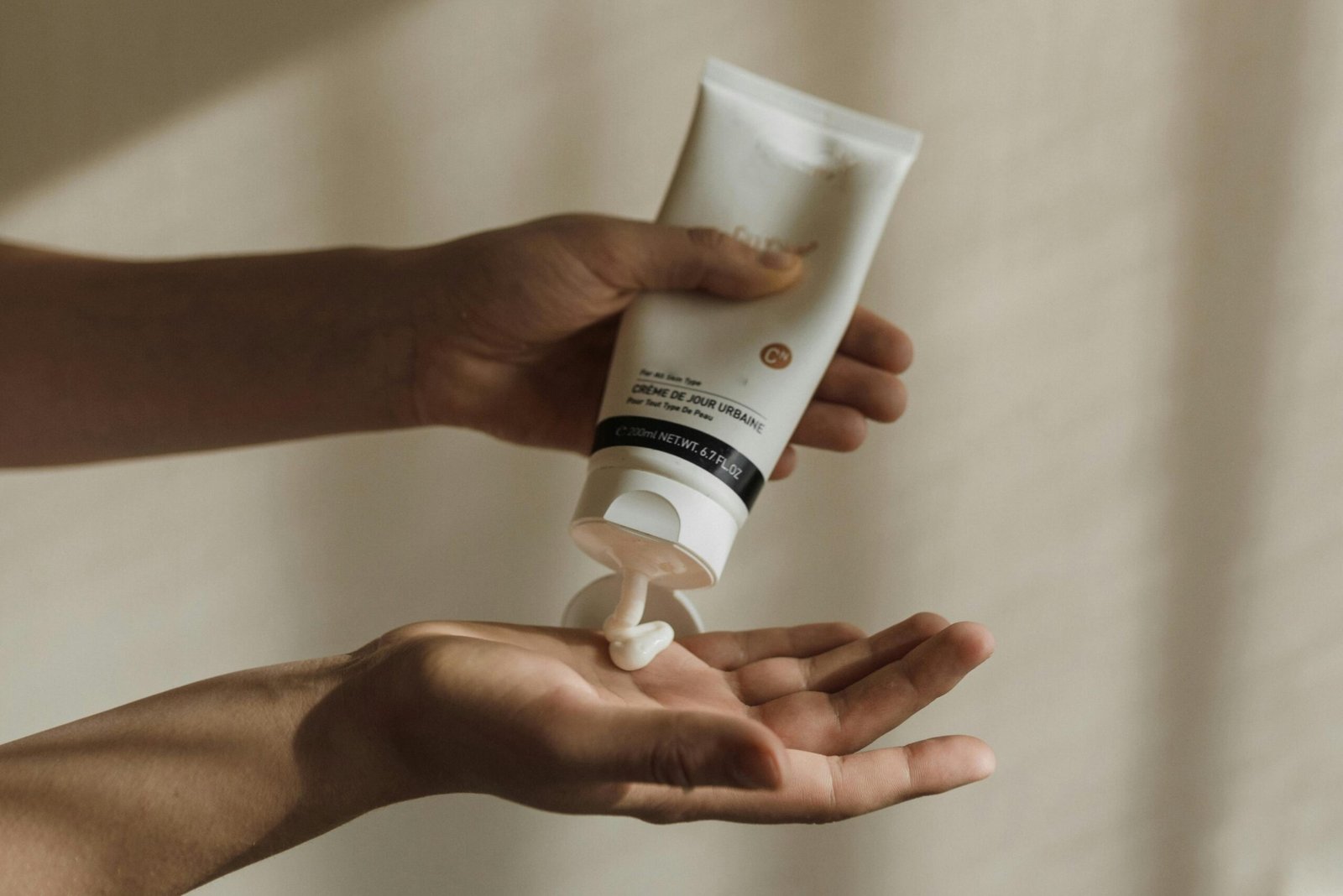
- Use a pea-sized amount.
- Apply in gentle upward strokes from the neck to the forehead.
- Make sure you cover the entire face evenly.
Why This Step Matters
A nighttime moisturizer seals in your serum’s benefits, nourishes your skin, strengthens the barrier, and ensures you wake up with softer, smoother skin instead of tightness or flakiness. When your skin is properly moisturized, it can repair itself more effectively.
Step 4: Eye & Lip Care: Don’t Ignore the Most Delicate Areas
Your under-eye area and lips are thinner, more fragile, and more prone to dryness. They also show the earliest signs of aging; fine lines, puffiness, and creasing.
For the Eyes
Choose eye creams with:
- Peptides
- Aloe
- Vitamin E
- Caffeine
Tap a tiny amount under the eyes using your ring finger for the gentlest pressure.
For the Lips
Apply a thick lip balm made with:
- Shea butter
- Honey
- Coconut oil
This prevents overnight dryness and helps lips stay soft and smooth.
Why This Step Matters
Giving extra attention to your eyes and lips instantly makes your skin look fresher and more youthful. These areas need extra nourishment because they don’t produce as much natural oil.
Extra Overnight Skincare Tips for Maximum Glow
Products are only one part of the nighttime skincare equation. Your habits and environment also affect how well your skin repairs overnight. Here are essential Overnight Skincare Tips that support a healthier, brighter complexion.
Change Your Pillowcases Regularly
Pillowcases collect oil, sweat, bacteria, and product residue. Sleeping on a dirty pillowcase can lead to breakouts, irritation, and clogged pores.
Better Option:
Switch to silk or satin pillowcases to reduce friction, prevent moisture loss, and minimize wrinkles.
Avoid Screen Time Before Bed
Blue light from phones, tablets, and laptops affects your sleep cycle, making you sleep less deeply. Poor sleep slows skin repair and increases dark circles.
Try limiting screen time at least 30–60 minutes before bed.
Stay Hydrated Before Sleep
Drink a glass of water before bed to support your skin’s natural moisture balance. Avoid caffeine and salty foods late at night since they cause dehydration and puffiness.
Sleep 7–8 Hours
Deep sleep is when your skin performs most of its repair process. Lack of sleep leads to dullness, breakouts, and inflammation. Prioritize quality rest to support skin health.
Keep Your Bedroom Cool
Cooler temperatures reduce puffiness, improve sleep quality, and help control overnight sweating. Aim for a room temperature that feels comfortable and refreshing.
Overnight Skincare Tips for Every Skin Type
Not all skin types need the same nighttime routine. Tailoring your products makes your routine more effective and prevents irritation
Oily or Acne-Prone Skin
Focus on balancing oil production while preventing clogged pores.
Best Practices:
- Use a gentle foaming cleanser.
- Incorporate niacinamide or salicylic acid (BHA).
- Use lightweight, oil-free moisturizers.
- Avoid over-cleansing (it causes rebound oil production).
Dry or Dehydrated Skin
Your goal is to boost hydration and strengthen your skin barrier.
Best Practices:
- Double cleanse with gentle formulas.
- Use hyaluronic acid and ceramide-rich products.
- Add a facial oil if your skin feels tight.
- Apply thick night creams or overnight masks.
Sensitive Skin
Keep your routine simple and irritation-free.
Best Practices:
- Use fragrance-free, gentle cleansers.
- Avoid harsh exfoliants initially.
- Use hydrating serums and barrier creams.
- Patch test new products.
Mature Skin
Address multiple signs of aging with targeted treatments.
Best Practices:
- Incorporate retinol slowly.
- Use peptide-rich eye creams.
- Apply hydrating serums before thicker creams.
- Exfoliate 1–2 times weekly for cell turnover.
Building an Easy, Consistent Routine
You don’t need a complicated system to transform your skin. Start with the basics and give your skin time to adjust.
A simple nightly routine:
- Cleanser
- Serum
- Moisturizer
- Eye + Lip care
Once your skin adapts, you can introduce stronger actives like retinol or exfoliating acids.
The key:
Consistency matters far more than the number of products you use.
It usually takes 4–6 weeks of steady effort to see noticeable improvements.

Final Thoughts
Your nighttime routine is one of the most powerful tools you have for achieving smoother, brighter, healthier skin. By following these Overnight Skincare Tips, cleansing well, hydrating deeply, moisturizing properly, caring for delicate areas, and supporting your skin with smart habits, you’re giving your skin exactly what it needs to repair, renew, and glow.
Healthy skin isn’t achieved overnight, but with steady effort and the right nighttime approach, you can wake up every morning looking refreshed and radiant.