
If your skin feels calm one week, red and irritated the next, and suddenly dry or dull after that, the Snail Mucin vs Centella question becomes more than a K-beauty trend.
Both ingredients are popular in Korean skincare, but they have different strengths. Centella asiatica is generally associated with calming stressed-looking skin, while snail mucin is better known for hydration, softness, plumpness, and a dewy finish.
So which one is better for your skin?
The short answer is:
Choose centella if calming, sensitive, or irritated skin is your priority. Choose snail mucin if hydration, dryness, plumpness, or glow is your main concern.
If your skin is both sensitive and dehydrated, you may benefit from using both.
In this guide, we’ll compare snail mucin vs centella for sensitive skin, acne-prone skin, dryness, redness, skin barrier support, anti-aging, and glass skin. You’ll also learn how to layer them and which ingredient makes more sense for different skin types.
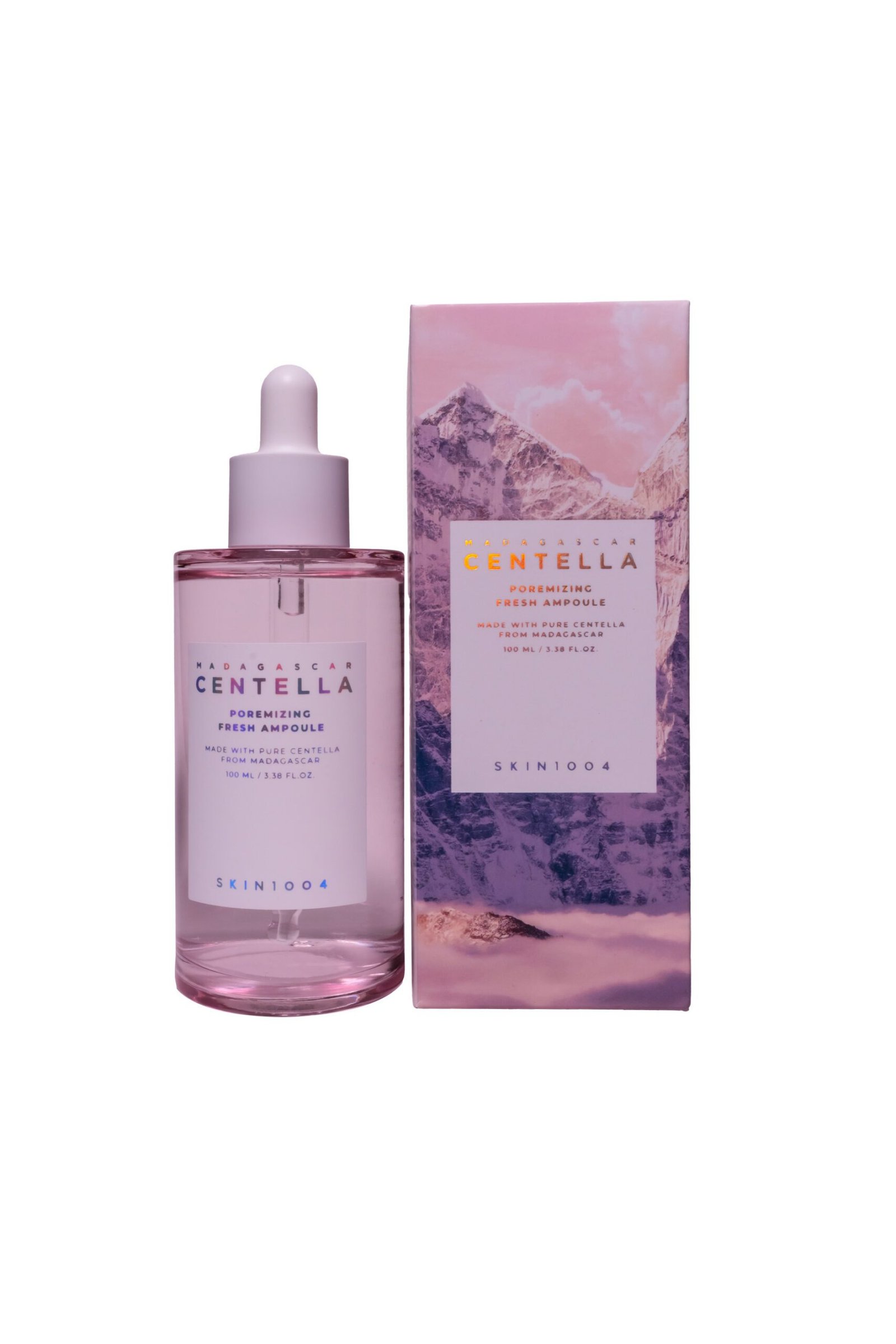
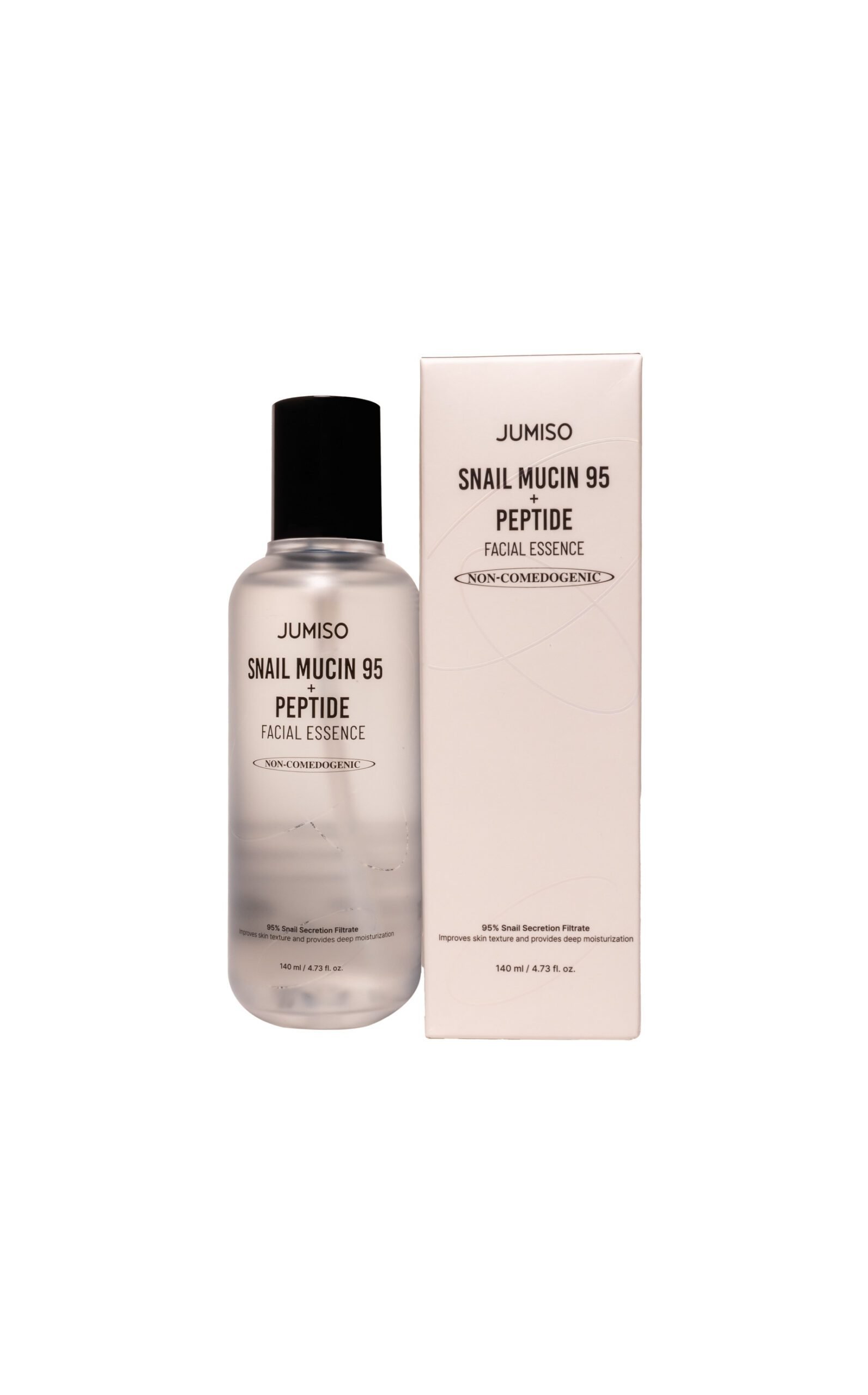
Quick Answer: Snail Mucin vs Centella: Which Is Better?
The best ingredient depends on what your skin needs most.
Skin concern | Better starting point |
Redness and irritation | Centella |
Sensitive or reactive skin | Centella |
Irritated acne-prone skin | Centella |
Dehydrated skin | Snail mucin |
Dull, rough-looking skin | Snail mucin |
Plump, dewy skin | Snail mucin |
Glass-skin routine | Snail mucin |
Skin that is sensitive and dehydrated | Both may work well together |
General barrier-focused routine | Both can have a role |
The important distinction is that centella is primarily a soothing-focused ingredient, while snail mucin is primarily a hydrating and conditioning ingredient.
Neither is automatically better for everyone.
Snail Mucin vs Centella: What’s the Difference?
The simplest way to understand centella asiatica vs snail mucin is to look at what each ingredient brings to a skincare routine.
Centella asiatica, also known as cica or Gotu Kola, is a botanical ingredient containing compounds such as asiaticoside, madecassoside, asiatic acid, and madecassic acid.
Research has investigated Centella compounds for antioxidant activity, inflammation-related pathways, wound-healing mechanisms, and collagen-related processes.
Snail mucin, commonly listed as snail secretion filtrate, is a cosmetic ingredient used in essences, serums, and moisturizers. It is particularly popular for its hydrating, conditioning, and skin-softening qualities.
That makes the comparison fairly straightforward:
Centella: soothing and calming support
Snail mucin: hydration, softness, and plumpness
Of course, the finished formula matters. A centella serum can contain hydrating ingredients, while a snail mucin essence can contain soothing ingredients. The ingredient list should therefore be considered alongside the overall formulation.
What Is Centella Asiatica?
Centella asiatica is a plant that has a long history of traditional use and is now widely used in modern skincare, particularly Korean skincare.
You may see it listed on product packaging as:
- Centella asiatica
- Cica
- Gotu Kola
- Centella asiatica extract
- Madecassoside
- Asiaticoside
Centella’s best-known compounds have been investigated for their potential antioxidant, anti-inflammatory, wound-healing, and collagen-related properties.
However, evidence from laboratory or mechanistic research does not automatically mean that every centella cosmetic will produce the same result on human skin.
For everyday skincare, its biggest appeal is much simpler: centella fits naturally into routines designed around calming and comfort.
Centella Asiatica Benefits for Skin
1. Soothing support
A centella serum can be a useful addition when skin looks stressed, feels uncomfortable, or doesn’t tolerate aggressive routines well.
This is one reason cica has become particularly popular in products marketed toward sensitive and reactive skin.
2. Skin recovery support
Centella compounds have been investigated for their involvement in wound-healing and skin-repair mechanisms.
That research is interesting, but cosmetic skincare should not be confused with medical treatment for wounds or diagnosed skin conditions.
3. Antioxidant and inflammation-related activity
Research has identified antioxidant and inflammation-related activity associated with Centella compounds.
The evidence is promising, although the strength of evidence varies depending on the specific compound, formulation, and application.
4. A useful ingredient for barrier-focused routines
Centella is frequently included in Korean skincare routines designed around soothing and supporting stressed-looking skin and can fit naturally into a barrier-focused routine .
However, centella alone is not the same thing as complete skin barrier repair.
If your skin is very dry or compromised, you may also need moisturizing ingredients such as ceramides, humectants, emollients, and occlusive ingredients.
Who Should Use Centella?
Centella may be worth considering if your main concerns include:
- Sensitive or reactive-looking skin
- Redness and discomfort
- Skin stressed by over-exfoliation
- Acne-prone skin that becomes easily irritated
- A lightweight calming serum
- A routine containing stronger active ingredients
If your skin is extremely dry, however, a centella serum may not provide enough moisture on its own.
What Is Snail Mucin?
Snail mucin, often listed as snail secretion filtrate, is a cosmetic ingredient derived from snail secretions and processed for use in skincare.
It has become a K-beauty staple because it combines a distinctive texture with hydration-focused skincare benefits.
You will commonly find snail mucin in:
- Essences
- Serums
- Moisturizers
- Hydrating treatments
Its texture can vary considerably between products. Some formulas are relatively lightweight, while others have the slippery, slightly viscous texture commonly associated with snail mucin.
Snail Mucin Benefits for Skin
1. Hydration
This is where snail mucin really shines.
If your skin feels tight, rough, dry, or dehydrated, a snail mucin serum or essence can provide an additional hydrating layer.
2. Plumper-looking skin
Dehydrated skin can make fine lines and rough texture appear more noticeable.
By improving the skin’s hydrated appearance, snail mucin can help skin look softer, smoother, and more cushioned.
3. Skin recovery support
Snail mucin is commonly used in cosmetic routines focused on improving the appearance of skin after breakouts or environmental stress.
However, view it as a cosmetic skincare ingredient rather than a medical treatment for acne, wounds, or scars.
4. Smoother-looking texture
Well-hydrated skin generally looks smoother and more comfortable.
This is one reason snail mucin has become so closely associated with glass skin and dewy Korean skincare routines.
Who Should Use Snail Mucin?
Snail mucin may be particularly appealing if your skin is:
- Dry or dehydrated
- Dull or rough-looking
- Tight after cleansing
- Lacking a plump appearance
- Looking for a dewy finish
- In need of an additional hydration step
If you dislike sticky or slippery textures, however, check the specific formula before buying. Snail products don’t all feel the same.
Snail Mucin vs Centella for Sensitive Skin
If sensitivity is your biggest concern, centella usually comes first pick.
Centella is more strongly associated with calming skincare, making it a natural choice when skin looks irritated or feels uncomfortable.
That doesn’t mean snail mucin is unsuitable for sensitive skin.
A well-formulated snail product can work perfectly well for some sensitive skin types. But when your skin is already reactive, the entire formula matters more than choosing an ingredient simply because it is trending.
Look for a simple formula and introduce new products gradually.
Best choice for sensitive skin: Centella
Best choice when sensitive skin is also dehydrated: Consider centella + snail mucin
Snail Mucin vs Centella for Dry and Dehydrated Skin
For dry skin, snail mucin generally has the advantage.
Centella can still be valuable when dryness comes with redness or irritation, but it isn’t primarily a moisture-replenishing ingredient.
Snail mucin fits more naturally into a hydration-focused routine and can help give skin that softer, plumper, dewier appearance.
However, don’t expect one serum to fix persistent dryness.
A good dry-skin routine usually combines:
- Humectants such as glycerin or hyaluronic acid
- Emollients
- Moisturizers
- Barrier-supportive ingredients
- Sunscreen during the day
- Gentle cleansing
Think of snail mucin as one hydration layer, not your entire dry-skin routine.
Best choice for dryness and dehydration: Snail mucin
Which Is Better for Acne-Prone Skin?
This depends on what your acne-prone skin needs.
If your acne routine has left your skin red, irritated, or stripped, centella may be the more logical choice because of its soothing profile.
If breakouts have left your skin dry, rough, or dehydrated, snail mucin may be a useful hydrating addition.
Neither ingredient should replace established acne treatments when acne requires medical management.
A simple way to think about it:
Irritated acne-prone skin → Centella
Dehydrated post-breakout skin → Snail mucin
Both problems → Centella + snail mucin may complement each other
This is particularly relevant for people using acne treatments that can cause dryness or irritation.
Snail Mucin vs Centella for Skin Barrier Support
Both ingredients can fit into a skin barrier-focused Korean skincare routine, but they contribute differently.
Centella is primarily useful when your goal is soothing and skin comfort.
Snail mucin is more useful when dehydration and moisture retention are part of the problem.
But barrier support requires more than either ingredient alone.
The skin barrier includes the outermost layer of skin and its lipids, including ceramides, cholesterol, and fatty acids.
A barrier-focused routine therefore usually works best when hydration is combined with an appropriate moisturizer.
If your skin is actively irritated, simplify your routine rather than adding multiple new serums.
For soothing: Centella
For hydration: Snail mucin
For comprehensive barrier care: Either can complement a moisturizer-centered routine.
Which Is Better for Anti-Aging?
The Snail Mucin vs Centella debate gets more complicated when anti-aging becomes the goal.
Centella’s compounds have been studied in relation to collagen synthesis and skin-aging mechanisms. A systematic review found some evidence supporting Centella preparations for facial wrinkles, although the researchers noted limitations in the available evidence and the need for further studies.
Snail mucin is popular in anti-aging routines primarily because hydration can make skin appear smoother and more plump, temporarily reducing the appearance of dehydration-related fine lines.
Neither should be treated as a miracle wrinkle treatment.
For a long-term anti-aging routine, the fundamentals remain more important:
- Daily broad-spectrum sunscreen
- Consistent moisturization
- Gentle cleansing
- Proven active ingredients when appropriate
- A routine your skin can tolerate consistently
Best answer: Both can have a supporting role, but neither should be your entire anti-aging strategy.
Can You Use Centella and Snail Mucin Together?
Yes.
In fact, using both can make sense because their strengths are complementary.
Centella provides the soothing-focused step, while snail mucin adds hydration and a plumper-looking finish.
A simple Korean skincare routine could look like:
Cleanser → Centella serum → Snail mucin essence → Moisturizer → Sunscreen
At night:
Cleanser → Centella serum → Snail mucin → Moisturizer
You don’t necessarily need both every day. If your skin is already comfortable with a simple routine, adding extra products purely because they’re popular isn’t automatically better.
When layering, apply products from thinner to thicker textures, although the exact order should follow the consistency of your individual formulas.
Want to build a Korean skincare routine around your skin concern?
Explore MoskinLocker’s Korean skincare collection to find cleansers, toners, serums, moisturizers, and sunscreens that can be combined into a routine based on your skin type and goals.

Which Is Better for Glass Skin?
If your goal is glass skin, snail mucin usually has the advantage.
The glass-skin look depends heavily on hydration, smooth texture, and a healthy-looking glow. That’s where snail mucin fits particularly well.
But centella shouldn’t be overlooked.
Skin that is irritated, red, or over-exfoliated rarely looks its best. A calming centella serum can help create a more comfortable foundation for a hydration-focused routine.
Think of it this way:
Centella helps calm the canvas.
Snail mucin helps hydrate and plump the canvas.
Together, they can make sense in a dewy Korean skincare routine.
Snail Mucin vs Centella: Which One Should You Choose?
Use this guide when deciding which ingredient to try first.
Your main concern | Better starting point |
Redness | Centella |
Irritation | Centella |
Sensitive skin | Centella |
Acne-prone and irritated skin | Centella |
Dry skin | Snail mucin |
Dehydrated skin | Snail mucin |
Dull skin | Snail mucin |
Rough texture caused by dehydration | Snail mucin |
Plump, dewy appearance | Snail mucin |
Glass-skin routine | Snail mucin |
Sensitive + dehydrated skin | Both |
General barrier-focused routine | Either or both |
Anti-aging routine | Both can complement it |
The most useful question isn’t:
“Which ingredient is better?”
It’s:
“What does my skin need most right now?”
How to Add Centella or Snail Mucin to Your Korean Skincare Routine
You don’t need to rebuild your routine to try either ingredient completely.
If your priority is sensitivity
Try:
Gentle cleanser → Centella serum → Moisturizer → Sunscreen
Keep the rest of your routine simple while you see how your skin responds.
If your priority is dryness
Try:
Gentle cleanser → Snail mucin → Moisturizer → Sunscreen
You can add a hydrating toner underneath if your skin needs additional hydration.
If your priority is both sensitivity and dehydration
Try:
Gentle cleanser → Centella → Snail mucin → Moisturizer → Sunscreen
The moisturizer remains important because hydration from a serum or essence does not replace the role of moisturizing.
And remember: introduce new products one at a time when possible. That makes it much easier to identify what works—or what doesn’t.
Frequently Asked Questions
Is centella better than snail mucin?
Not universally. Centella is generally the better starting point for soothing sensitive or irritated-looking skin, while snail mucin is often better suited to hydration, plumpness, and a dewy finish.
Can I use snail mucin and centella together?
Yes. They can be used in the same routine if your skin tolerates both. Apply the thinner product first, followed by the thicker product and moisturizer.
Is snail mucin good for dry skin?
Snail mucin can be a useful addition to a dry or dehydrated-skin routine because of its hydrating and conditioning properties. For persistent dryness, pair it with a suitable moisturizer.
Is centella good for acne-prone skin?
Centella can be useful when acne-prone skin is also irritated or sensitive. It should not, however, be considered a standalone acne treatment.
Which is better for sensitive skin: centella or snail mucin?
Centella is usually the better starting point when sensitivity, redness, or irritation is your primary concern. However, individual product formulas matter, and even generally gentle ingredients can cause reactions in some people.
Can snail mucin and centella support the skin barrier?
Both can complement a barrier-focused routine. Centella is more associated with soothing, while snail mucin is more closely associated with hydration. Neither replaces a good moisturizer or a simplified routine when the barrier is compromised.
Which is better for glass skin?
Snail mucin generally has the edge because hydration and a plump, dewy appearance are central to the glass-skin aesthetic. Centella can complement it when your skin also needs soothing support.
Shop Korean Skincare for Hydration & Soothing at MoskinLocker
Still deciding between snail mucin and centella? Start with the concern you want to address rather than choosing an ingredient simply because it is trending.
If your skin feels red, sensitive, irritated, or easily overwhelmed, explore Korean skincare products featuring centella asiatica (cica) and other soothing ingredients. If your skin feels dry, dehydrated, rough, or dull, look for hydrating products featuring snail mucin, hyaluronic acid, glycerin, and other moisture-supporting ingredients.
At MoskinLocker, you can build a Korean skincare routine around your skin type and current concerns, whether you need a calming centella serum, a hydrating snail mucin essence, or complementary products to support a more comfortable, hydrated complexion.
Shop Korean Skincare at MoskinLocker
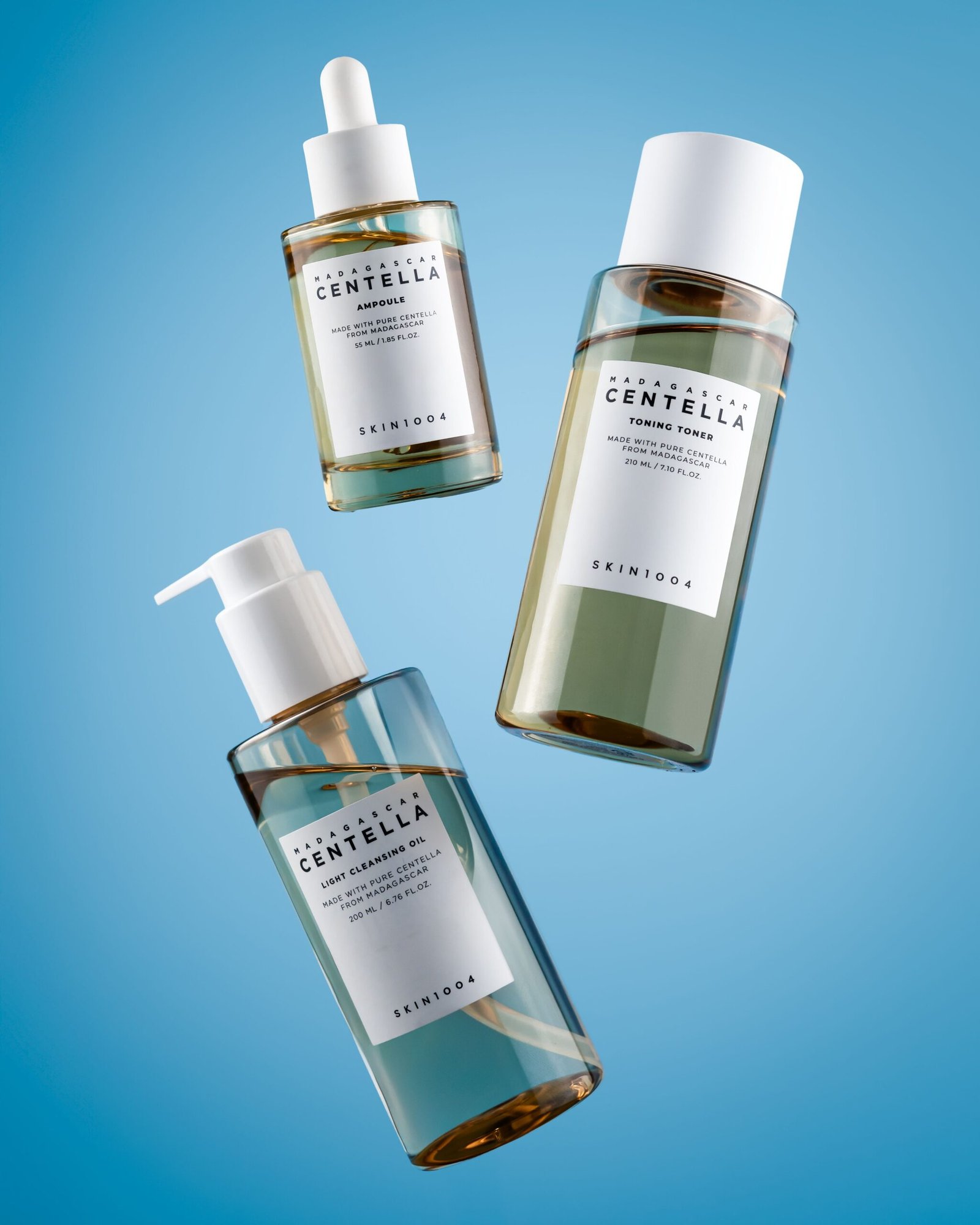
You can also explore:
The Final Verdict: Snail Mucin vs Centella
So, Snail Mucin vs Centella: which ingredient is better for your skin?
There isn’t one universal winner.
Choose centella asiatica when your priority is calming sensitive, irritated, or redness-prone skin. It is especially useful when your routine has become too aggressive, or your acne-prone skin is struggling with irritation.
Choose snail mucin when you want hydration, softness, plumpness, and a dewy complexion. Itis especially appealing when skin feels dry, tight, dull, or dehydrated.
And if your skin is both sensitive and dehydrated, you don’t necessarily have to choose. Centella and snail mucin can complement one another in a simple Korean skincare routine.
The smartest skincare routine isn’t necessarily the one with the most ingredients. It’s the one that addresses your skin’s actual needs without creating unnecessary irritation.
Skin needs calm? Start with centella.
Skin needs hydration and bounce? Start with snail mucin.
Skin needs both? Consider using them together.