Understanding your skin type is the first step toward creating a skincare routine that truly works for you. Among all skin types, oily skin is one of the most common and one of the most misunderstood. Many people struggle with shine, clogged pores, or frequent breakouts without realizing these symptoms may be signs of an oily skin type.
If you’ve ever wondered “Which characteristics are associated with oily skin types?”, this complete guide breaks down everything you need to know
Oily skin is not a flaw. In fact, it has unique strengths, benefits, and challenges that can be managed with the right knowledge and care.
This in-depth guide will help you identify oily skin, understand its causes, explore its textures and tendencies, and learn how to properly care for it for long-term skin health.
Understanding Oily Skin: What Does It Really Mean?
Oily skin is defined by the overproduction of sebum, the natural oil produced by sebaceous glands. Sebum is essential for skin health; it lubricates, protects, and prevents moisture loss. But when the glands produce too much, the skin’s surface becomes shiny, pores become clogged, and blemishes may develop more easily.
While this can be frustrating, oily skin also has an upside: natural oils help delay early signs of aging. People with oily skin often develop fine lines and wrinkles later than those with dry or sensitive skin.
However, balance is key. Excess oil left unmanaged can lead to texture irregularities, breakouts, and a greasy feel.
Which Characteristics Are Associated With Oily Skin Types?
To accurately determine which characteristics are associated with oily skin types, we need to understand the visual, textural, and behavioral signs the skin shows. These markers help distinguish oily skin from dry, combination, or sensitive types.
Below are the most common characteristics.
1. Shiny or Greasy Appearance
One of the most recognizable traits of oily skin is its shine. This shine is particularly noticeable in the T-zone, the forehead, nose, and chin, where sebaceous glands are naturally more concentrated.
People with oily skin may notice:
- Their makeup slides off quickly
- Their face looks greasy just hours after cleansing
- Shine is present even after using powders or mattifying products
If you consistently feel the need to blot your skin throughout the day, this is a strong indicator of an oily skin type.
2. Enlarged and Visible Pores
Another major clue when considering which characteristics are associated with oily skin types is the appearance of large, visible pores.
Excess oil causes pores to stretch, making them look:
- More noticeable, especially around the nose and cheeks
- Prone to trapping dirt and dead skin cells
- More susceptible to becoming clogged
While pore size is influenced by genetics, oily skin tends to make pores appear larger due to constant sebum production.
3. Frequent Breakouts, Blackheads & Whiteheads
Oily skin is more prone to blemishes because excess sebum mixes with dead skin cells, creating an environment where bacteria thrive.
People with oily skin often experience:
- Blackheads: When a clogged pore opens to the surface, oxidizing the trapped debris
- Whiteheads: When the clogged pore stays closed
- Pimples and pustules: Caused by inflammation
- Recurring breakouts on the forehead, nose, and chin
Not everyone with oily skin struggles with acne, but the likelihood is significantly higher.
4. Thick or Coarse Skin Texture
Oily skin often produces more than just a shiny look; it can have a thicker dermis layer due to more active sebaceous glands.
This may result in:
- A rough or uneven feel
- Bumpy areas caused by clogged pores
- A heavier skin texture compared to dry or normal skin types
This thicker skin barrier can be beneficial, offering extra environmental protection, but it may also require more targeted exfoliation.
5. Skin That Feels Greasy to the Touch
Another defining trait of oily skin is the actual feel. After washing your face, it may feel clean initially, but within a few hours, the oil returns.
You may notice:
- A slick or slippery texture
- Oil transferring to phone screens or glasses
- A need to blot or cleanse more frequently
If your skin consistently produces oil throughout the day, this is a clear sign of an oily skin type.

What Causes Oily Skin?
Now that we’ve established which characteristics are associated with oily skin types, it’s important to understand why oily skin develops. Multiple factors contribute to increased sebum production:
1. Genetics
Oily skin often runs in families. If your parents or siblings have oily skin, there’s a high chance you inherited this trait.
2. Hormonal Fluctuations
Hormones, especially androgens, play a major role in stimulating oil glands. This is why oily skin is more common during:
- Puberty
- Menstruation
- Pregnancy
- Times of stress
Men generally have oilier skin than women due to naturally higher testosterone levels.
3. Environmental Factors
Climate can strongly influence oil production. You may notice your skin becomes more oily when exposed to:
- Heat
- Humidity
- Pollutants
- Sweat-producing environments
Warm temperatures stimulate sebaceous glands, increasing shine and breakouts.
4. Over-Cleansing or Harsh Products
Many people unknowingly worsen their oily skin by:
- Over-exfoliating
- Using harsh cleansers
- Stripping the skin’s protective barrier
When the skin loses too much moisture, it overcompensates by producing even more oil.
5. Lifestyle Factors
Your daily habits can also contribute to oily skin:
- Stress increases cortisol, which triggers oily production
- Lack of sleep impacts hormonal balance
- Dehydration signals the skin to produce more oil
- A diet high in sugar or dairy may worsen breakouts
Everyone’s triggers are different, but understanding yours can help manage oil production effectively.
How to Know If You Have Oily Skin
If you’re still asking yourself, “Which characteristics are associated with oily skin types?”, you can run a simple self-assessment:
Signs you have oily skin:
✔ Skin looks shiny or greasy
✔ Enlarged pores
✔ Frequent blackheads or whiteheads
✔ Skin feels oily a few hours after cleansing
✔ Makeup slides off quickly
✔ Bumpy or uneven texture
Signs you don’t have oily skin:
✘ Skin feels tight or dry
✘ Skin appears dull or flaky
✘ Oil appears in only the T-zone → this is combination skin
Understanding your skin type ensures you choose the right products and avoid worsening common issues. Furthermore, oily skin also looks different on different skin tones, too. So, a sign of oily skin for one person may not be the case for another.
Texture of Oily Skin: What to Expect
The texture of oily skin is often:
- Slightly thick or coarse
- Slick or greasy
- Prone to congestion
- Occasionally bumpy due to clogged pores
This occurs because sebaceous glands are larger and more active. Fortunately, the right skincare routine can smooth and refine the texture significantly.
How to Care for Oily Skin: A Complete Routine
Understanding which characteristics are associated with oily skin types is only the first step; the second is learning how to care for it. Oily skin requires balance. Over-cleansing worsens oiliness, but under-cleansing causes buildup.
Here’s a simple, effective skincare routine specifically designed for oily skin.
1. Cleanse Twice Daily
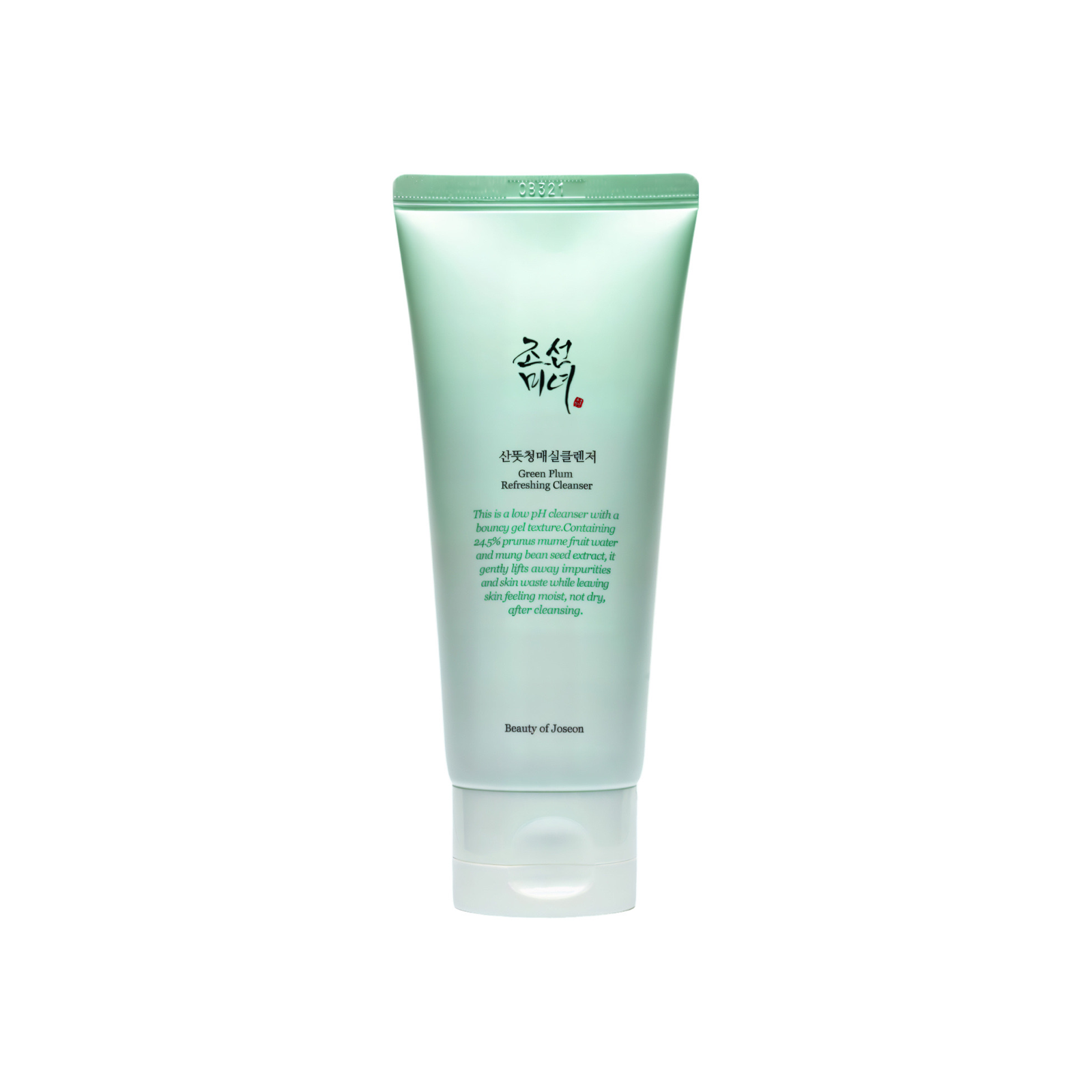
Use a gentle, non-stripping cleanser. Avoid harsh foaming cleansers that remove too much moisture. An oily skin-friendly cleanser is Beauty of Joseons green plum cleanser.
Tips:
- Use lukewarm water, not hot
- Avoid washing more than twice a day
- Look for gel or water-based formulas
2. Use a Toner to Balance Oil Production
A toner helps remove leftover impurities and regulates oil.
Look for ingredients like:
- Salicylic acid (BHA)
- Witch hazel
- Niacinamide
- Tea tree extract
These ingredients help control surface oil and tighten pores. Luckily for you, Moskinlocker has a wide range of toners to meet your skin needs!
3. Moisturize, Even If Your Skin Is Oily
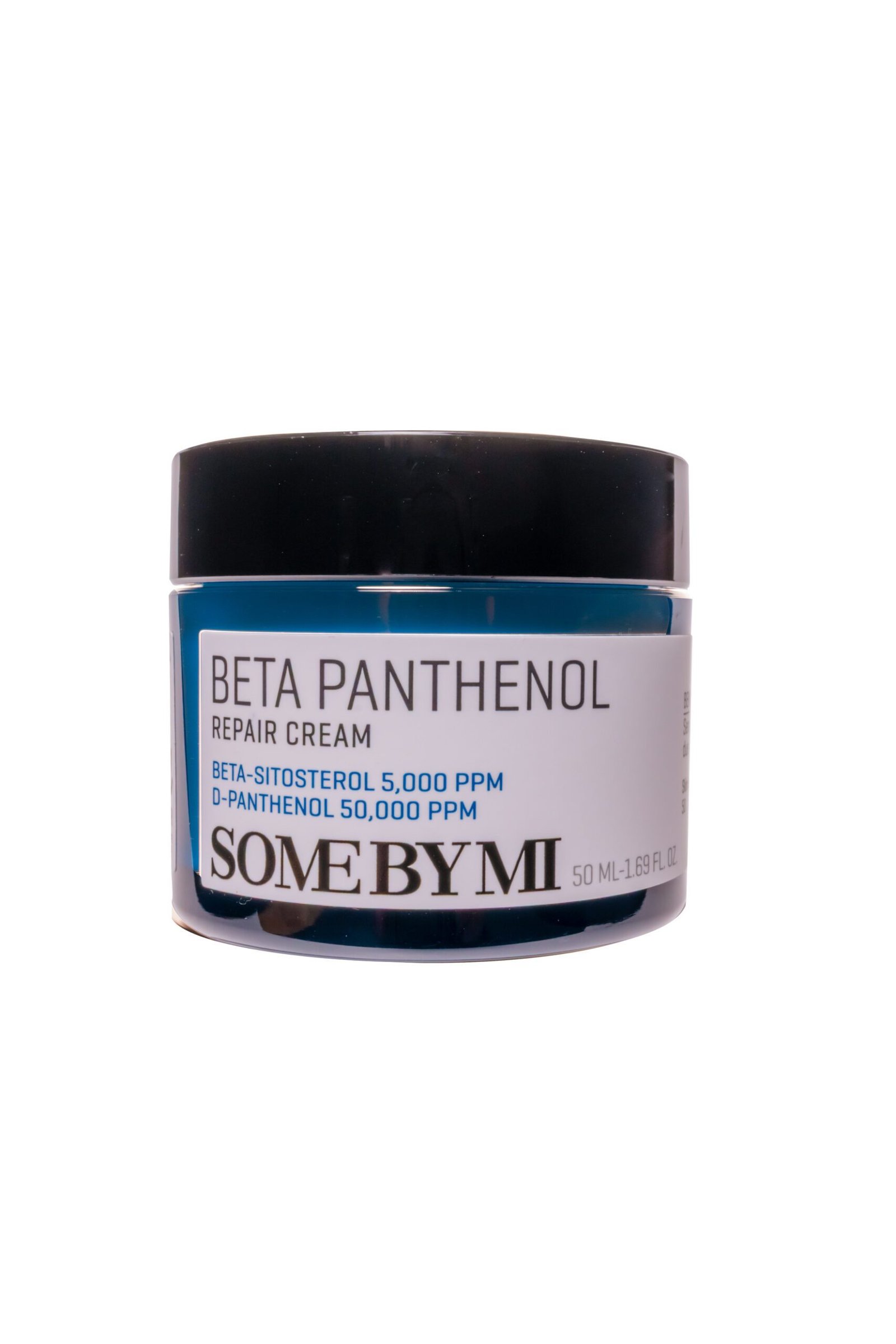
Many people with oily skin skip moisturizer, but this is a mistake. Hydration prevents the skin from overcompensating with more oil. A good option is Some by Mi pantheol repair cream.
Choose:
- Oil-free moisturizers
- Light gel formulas
- Hydrating ingredients like hyaluronic acid, glycerin, or urea
4. Exfoliate 1–3 Times per Week
For oily skin, the best exfoliant is salicylic acid, which penetrates deep into pores.
Benefits:
- Dissolves oil buildup
- Clears pores
- Prevents breakouts
- Smooths texture
5. Use a Clay Mask Weekly
Clay masks draw out excess oil and impurities.
Best clays for oily skin:
- Kaolin clay
- Bentonite clay
Use once or twice a week for best results.
6. Always Wear Sunscreen
Choose:
- Oil-free formulas
- Non-comedogenic SPF
- Lightweight gels
Sun protection is essential for preventing aging, hyperpigmentation, and inflammation.
When to See a Dermatologist
If excess oil is causing recurrent breakouts, scarring, or extreme discomfort, a dermatologist can provide personalized solutions, including:
- Prescription creams
- Hormonal treatments
- Clinical exfoliation
- Tailored routines for difficult-to-manage oil
Professional guidance can help restore balance faster and more effectively.
Conclusion: Embracing Your Skin Type
Understanding which characteristics are associated with oily skin types empowers you to manage, balance, and even appreciate the unique benefits of oily skin. While oily skin can present challenges, shine, clogged pores, breakouts, and texture issues, these can be effectively addressed with the right routine and habits.
Oily skin ages more slowly, naturally protects itself, and can look beautifully radiant when balanced. By identifying its characteristics and giving it the care it needs, you can enjoy clearer, healthier, smoother, and more confident skin.
Your skin isn’t “bad”, it’s simply unique. And with the right knowledge, you can keep it at its best.