
If you’ve explored Korean skincare, you’ve probably come across Centella asiatica, often called cica, in everything from soothing toners and serums to barrier creams and moisturizers. But what are the actual centella asiatica benefits, and why has this botanical become such a popular ingredient in K-beauty?
Centella asiatica is a plant-derived skincare ingredient traditionally associated with soothing and skin-conditioning properties. It is especially common in routines designed for sensitive, irritated, redness-prone, dry, dehydrated, and barrier-stressed skin.
Centella is also frequently combined with ingredients such as ceramides, panthenol, hyaluronic acid, glycerin, and other soothing botanicals.
In this guide, we’ll explain what Centella asiatica is, the main Centella asiatica benefits for skin, how cica works in Korean skincare, who should use it, Centella vs snail mucin, the best ways to use it, what ingredients you can pair it with, and how to build a Korean skincare routine around it.
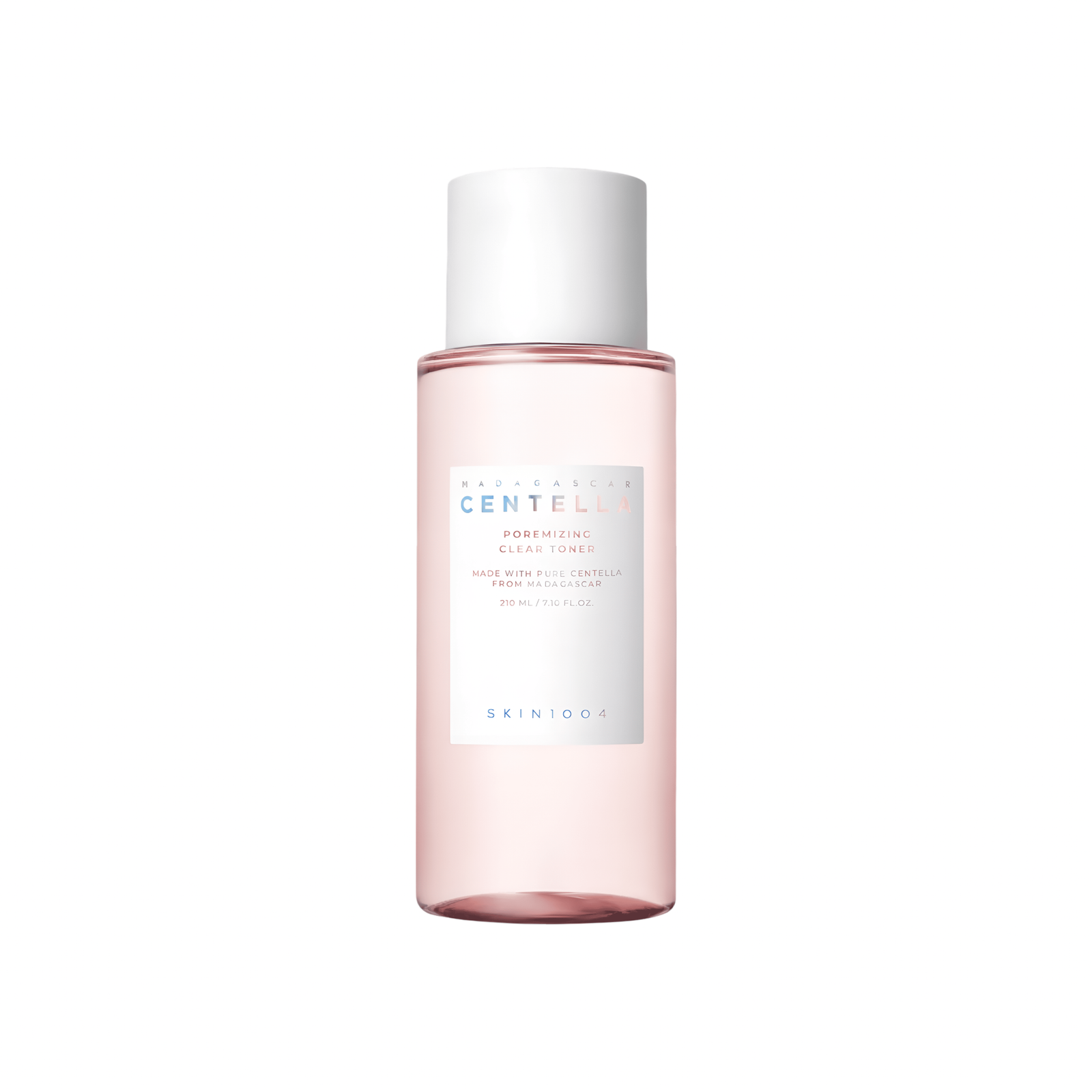
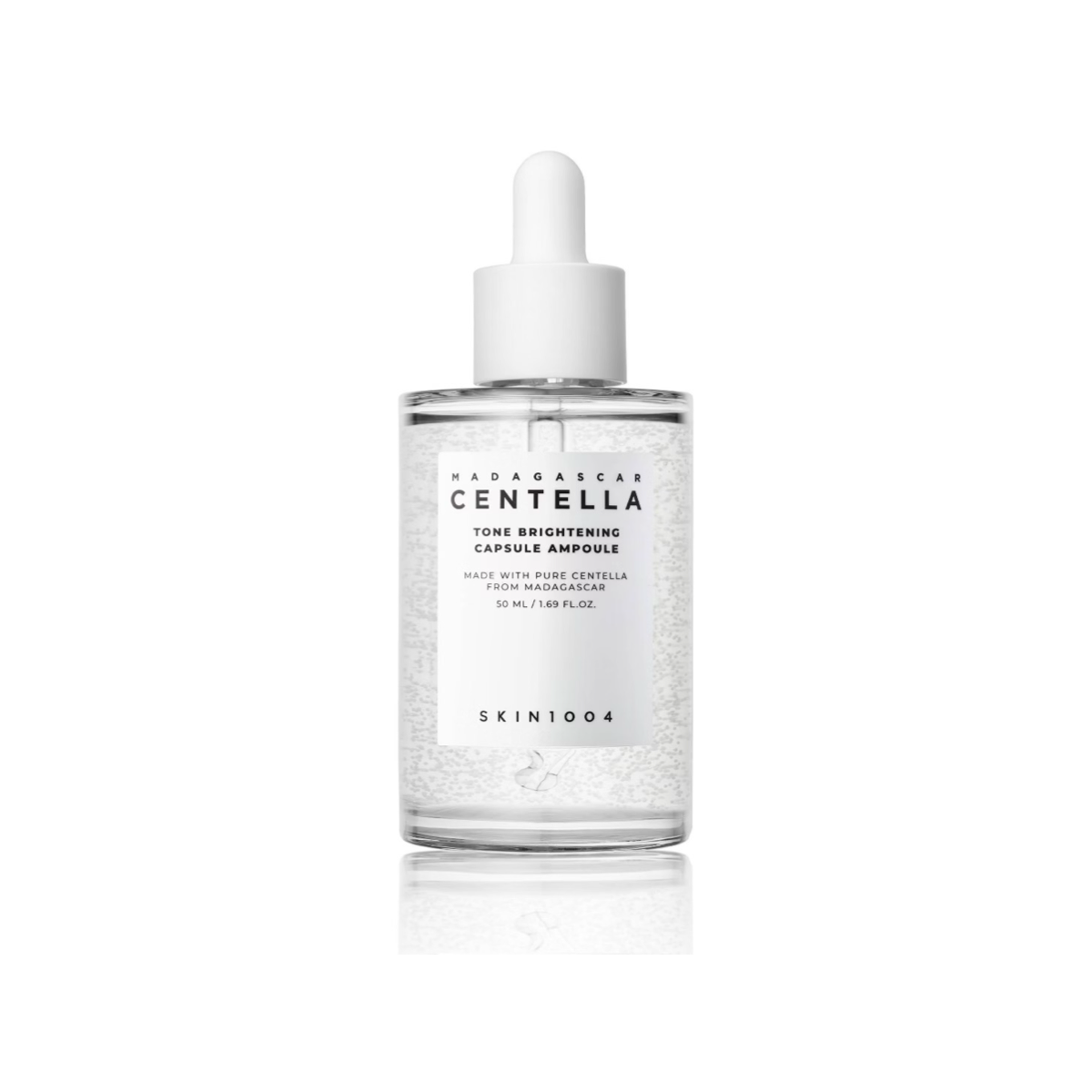
Centella Asiatica Benefits: Quick Answer
Centella asiatica is a botanical skincare ingredient primarily valued for its soothing, skin-conditioning, and barrier-supportive properties.
It is particularly popular for routines targeting:
- Sensitive skin
- Redness-prone skin
- Dry or dehydrated skin
- A stressed-feeling skin barrier
- Rough or uncomfortable skin
- Acne-prone skin
- Skin recovering from an overly aggressive routine
Centella should be viewed as a supportive skincare ingredient rather than a treatment for a specific medical skin condition.
Centella Asiatica at a Glance
Category | Details |
Common name | Centella asiatica |
Also called | Cica, gotu kola |
Botanical name | Centella asiatica |
Main skincare role | Soothing and skin conditioning |
Best known for | Calming and barrier-focused routines |
Suitable for | Most skin types |
Particularly useful for | Sensitive, dry, dehydrated and redness-prone skin |
Acne treatment? | No |
Exfoliating? | No |
Common formats | Toners, serums, ampoules, creams and moisturizers |
Can be used daily? | Often, depending on the formula |
The key point is simple: Centella can support a healthy-looking skin barrier, but it doesn’t replace moisturizer, sunscreen, or proven treatments for specific skin conditions.
What Is Centella Asiatica?
Centella asiatica is a small herbaceous plant native to parts of Asia and other tropical and subtropical regions.
It has a long history of traditional use in Asian medicine, while modern cosmetic formulations commonly use extracts or specific compounds from the plant.
You may see Centella asiatica listed on skincare labels as:
- Centella asiatica
- Cica
- Gotu kola
- Centella asiatica extract
- Madecassoside
- Asiaticoside
- Madecassic acid
- Asiatic acid
The exact ingredients present depend on the extraction method and formulation.
This distinction matters because a product labeled “cica” isn’t necessarily identical to another cica product.
Different formulas may contain different Centella extracts, concentrations, supporting ingredients, and textures.
What Are the Centella Asiatica Benefits for Skin?
The main centella asiatica benefits are associated with soothing, skin conditioning, and support for the skin barrier.
1. Centella Helps Soothe Stressed-Looking Skin
One of the main reasons Centella is so popular in Korean skincare is its soothing role.
Centella contains compounds that have been investigated for their effects on inflammatory pathways and skin repair processes.
This is one reason cica is commonly included in products designed for skin that feels:
- Irritated
- Tight
- Uncomfortable
- Red-looking
- Dry
- Stressed after using active ingredients
However, cosmetic Centella products should not be described as treating inflammation or a medical skin condition unless supported by appropriate evidence.
The practical skincare benefit is that Centella can be a useful ingredient in a gentle, soothing routine.
2. Centella Supports the Skin Barrier
Your skin barrier helps keep moisture in while protecting the skin from external environmental stressors.
When the barrier becomes compromised, skin may feel:
- Tight
- Dry
- Rough
- Sensitive
- Easily irritated
Centella is commonly used in barrier-focused Korean skincare formulas.
It can be especially useful when combined with ingredients such as:
- Ceramides
- Panthenol
- Glycerin
- Hyaluronic acid
- Squalane
If your primary concern is barrier damage, Centella works best as part of a broader routine rather than as a standalone solution.
Read our guide to Best Korean Skincare for Skin Barrier Repair for a more complete barrier-focused routine.
3. Centella Can Support Hydration
Centella itself shouldn’t be thought of as a replacement for a humectant or moisturizer.
However, many Centella products are formulated with hydrating ingredients such as glycerin, panthenol, betaine, and hyaluronic acid.
This makes cica particularly useful for people who want:
Soothing + Hydration + Lightweight Texture
If your skin feels tight despite producing oil, you may be dealing with dehydration rather than simply dry skin.
Read Korean Skincare for Dehydrated Skin to learn how to build a hydration-focused routine.
4. Centella Is Popular for Sensitive Skin
Sensitive skin often benefits from a simple routine that minimizes unnecessary irritation.
Centella is frequently used in products designed for sensitive-feeling skin because it can provide a soothing layer without functioning as a strong exfoliating active.
Look for Centella products formulated with other barrier-friendly ingredients such as:
- Ceramides
- Panthenol
- Glycerin
- Beta-glucan
- Hyaluronic acid
If your skin is highly reactive, however, remember that the entire formula matters.
Even a product containing a soothing botanical can cause an individual reaction.
See Is Korean Skincare Good for Sensitive Skin? for more information.
5. Centella Can Complement Acne-Prone Skincare
Centella is commonly found in Korean skincare marketed toward blemish-prone or stressed skin.
Its main role in an acne routine is supportive.
It can provide a soothing and hydrating layer, particularly when acne treatments cause dryness or discomfort.
Centella should not, however, be treated as an acne medication.
If you’re dealing with persistent or moderate-to-severe acne, established acne treatments and professional medical advice may be more appropriate.
For a broader Korean acne routine, read Is Korean Skincare Good for Acne?.
6. Centella Provides Antioxidant Support
Centella contains several plant compounds that have been investigated for antioxidant activity.
Antioxidants can help support the skin against oxidative stress.
However, Centella isn’t a substitute for sunscreen or a dedicated antioxidant treatment.
For everyday protection from UV exposure, sunscreen remains one of the most important parts of a skincare routine.
Centella Asiatica Benefits by Skin Type
Centella is versatile, but it isn’t necessarily used in the same way for every skin type.
Skin Type | How Centella May Fit |
Sensitive | Excellent soothing-support option |
Dry | Very good with a nourishing moisturizer |
Dehydrated | Very good when paired with humectants |
Combination | Good lightweight soothing option |
Oily | Good, especially in lightweight formulas |
Acne-prone | Good supportive ingredient |
Redness-prone | Good soothing option |
Normal | Good for maintenance-focused routines |
Mature | Good supportive and conditioning ingredient |
Centella is especially useful when your skin has more than one concern.
For example:
Oily + Sensitive
or
Dry + Dehydrated + Sensitive
or
Acne-Prone + Irritated
A soothing ingredient can help make the rest of the routine easier to tolerate.
Centella Asiatica vs. Snail Mucin
Centella and snail mucin are two of the most recognizable ingredients in Korean skincare.
They’re sometimes treated as interchangeable, but they have different primary roles.
Feature | Centella Asiatica | Snail Mucin |
Main role | Soothing + skin conditioning | Hydration + skin conditioning |
Common name | Cica | Snail mucin |
Common formats | Toners, serums, creams | Essences, serums, creams |
Sensitive skin | Strong fit | Often suitable |
Dehydrated skin | Good with humectants | Strong hydration focus |
Barrier-focused routine | Strong fit | Supportive |
Acne-prone routine | Supportive | Supportive |
Can they be combined? | Yes | Yes |
Neither ingredient is universally “better.”
If your priority is soothing and barrier-focused care, Centella may be particularly appealing.
If your priority is hydration and skin conditioning, snail mucin may be a better fit.
You can also use both.
Read Snail Mucin vs Centella: Which Ingredient Is Better for Your Skin? for a dedicated comparison.
Centella vs. Heartleaf
Heartleaf and Centella are both popular Korean skincare botanicals.
However, they are not identical.
Feature | Centella | Heartleaf |
Botanical name | Centella asiatica | Houttuynia cordata |
Common name | Cica | Heartleaf |
Main positioning | Soothing + barrier support | Soothing + balancing |
Sensitive skin | Strong option | Strong option |
Oily skin | Good | Very good |
Acne-prone skin | Supportive | Supportive |
Dehydrated skin | Good with hydration ingredients | Good with hydration ingredients |
Common formats | Creams, serums, toners | Toners, serums, ampoules |
Heartleaf is particularly common in lightweight balancing and blemish-friendly routines.
Centella is especially prominent in soothing and barrier-focused skincare.
They can also be combined.
Learn more about heartleaf in Heartleaf in Korean Skincare: What It Does & Who Should Use It.

How to Use Centella Asiatica in a Korean Skincare Routine
Centella can appear in almost any part of a Korean skincare routine.
The correct placement depends on the product.
For a Centella serum or ampoule, a typical order is:
Cleanser → Toner → Centella Serum/Ampoule → Moisturizer → Sunscreen
If you’re using a Centella cream, it generally comes later:
Cleanser → Toner → Serum → Centella Cream → Sunscreen
The principle is simple:
Apply lighter products before heavier products.
For a complete explanation of product sequencing, read Korean Skincare Routine Order: What Goes First and Why.
Morning Centella Routine
Step 1: Gentle Cleanser
Start with a cleanser appropriate for your skin type.
Explore Korean cleansers at MoskinLocker.
Step 2: Toner
Use a hydrating or soothing toner.
If you’re particularly interested in heartleaf alongside Centella, the Anua Heartleaf 77% Soothing Toner is one example of a lightweight soothing toner.
Step 3: Centella Serum or Ampoule
Apply your Centella product according to its instructions.
Step 4: Moisturizer
Follow with a moisturizer suited to your skin type.
Explore Korean moisturizers.
Step 5: Sunscreen
Finish with broad-spectrum sunscreen.
Explore Korean sunscreens.
Evening Centella Routine
A simple evening routine can be:
Cleanser → Toner → Centella Serum/Ampoule → Moisturizer
If you wear makeup or sunscreen, you may use:
Cleansing Oil/Balm → Water-Based Cleanser → Toner → Centella → Moisturizer
You don’t need multiple Centella products.
One well-formulated product may be enough.
What Ingredients Can You Pair With Centella?
One of Centella’s biggest advantages is its versatility.
Because it isn’t an exfoliating acid or retinoid, it can generally fit alongside many other skincare ingredients.
Centella + Ceramides
This is a natural combination for a barrier-focused routine.
Centella provides soothing and skin-conditioning support, while ceramides help support the skin barrier.
Centella + Panthenol
Both ingredients are commonly used in soothing and barrier-conscious formulas.
This combination can be useful for skin that feels dry, tight, or uncomfortable.
Centella + Hyaluronic Acid
Hyaluronic acid provides humectant hydration.
Centella adds soothing support.
Together they can create a lightweight routine for dehydrated or sensitive skin.
Centella + Niacinamide
These ingredients can complement each other in routines focused on:
- Uneven-looking skin
- Excess oil
- Barrier support
- Visible pores
- Brightening
For dark spots and uneven pigmentation, see Best Korean Brightening Skincare for Dark Spots.
Centella + Snail Mucin
This combination is popular in Korean skincare because the ingredients have complementary roles.
Centella: soothing and skin conditioning.
Snail mucin: hydration and skin conditioning.
You can layer them if your skin tolerates both.
Centella + Retinol
Centella can be useful alongside a retinoid routine because it isn’t another strong exfoliating active.
A simple evening routine could be:
Cleanser → Centella → Retinoid → Moisturizer
However, always follow the directions for your specific retinoid.
Centella + Vitamin C
Centella and vitamin C can generally be used in the same routine.
Vitamin C is commonly used for antioxidant and brightening purposes, while Centella can provide soothing support.
If your vitamin C product causes irritation, don’t assume Centella will cancel it out. Reduce the overall intensity of the routine instead.
Centella Ingredient Compatibility Chart
Ingredient | Can You Pair It With Centella? | Main Purpose |
Hyaluronic acid | Yes | Hydration |
Glycerin | Yes | Hydration |
Panthenol | Yes | Soothing + barrier support |
Ceramides | Yes | Barrier support |
Niacinamide | Yes | Brightening + barrier/oil support |
Snail mucin | Yes | Hydration + conditioning |
Heartleaf | Yes | Soothing |
Vitamin C | Generally yes | Antioxidant + brightening |
Retinoids | Generally yes | Skin renewal |
AHA | Generally yes | Exfoliation |
BHA | Generally yes | Exfoliation |
Sunscreen | Yes | UV protection |
“Compatible” doesn’t mean you need every ingredient in the same routine.
If your skin is already irritated, simplifying your routine is often more sensible than adding another soothing product.
Can Centella Be Used Every Day?
Yes, many Centella products are designed for daily use.
Depending on the formulation and your skin’s tolerance, you may use Centella:
- Once daily
- Twice daily
- Only when your skin feels stressed
- Alongside active treatments
Follow the product’s instructions.
If you’re introducing a new product, start gradually rather than changing your entire routine at once.
Can Centella Help With Redness?
Centella is commonly included in skincare for redness-prone and sensitive-feeling skin because of its soothing properties.
However, persistent redness can have many causes.
If redness is accompanied by burning, itching, pain, swelling, or persistent flushing, don’t assume it is simply “sensitive skin.”
Conditions such as rosacea or eczema can require professional assessment.
Centella skincare can be supportive, but it shouldn’t be used to self-treat an undiagnosed skin condition.
Is Centella Good for Acne-Prone Skin?
Centella can be a useful supporting ingredient for acne-prone skin.
Its value is mainly in soothing and skin conditioning rather than directly treating acne.
This can be helpful when your acne routine includes potentially drying ingredients.
A simple acne-friendly routine could be:
Gentle Cleanser → Acne Treatment → Centella → Moisturizer → Sunscreen
If your acne is persistent, painful, or severe, consider evidence-based acne treatment and professional medical guidance.
Is Centella Good for Dehydrated Skin?
Yes, particularly when Centella is combined with hydrating ingredients.
A Centella product alone doesn’t necessarily provide enough hydration.
For dehydrated skin, look for a formula containing ingredients such as:
- Glycerin
- Hyaluronic acid
- Panthenol
- Betaine
- Ceramides
A simple routine could be:
Cleanser → Hydrating Toner → Centella Serum → Moisturizer → Sunscreen
For a complete dehydration-focused routine, see Korean Skincare for Dehydrated Skin.
Best Centella Asiatica Products: What to Look For
When choosing a Centella product, don’t focus only on the word “cica” on the front of the packaging.
Look at the complete formula.
A good Centella-focused product may combine Centella with:
- Panthenol
- Glycerin
- Ceramides
- Hyaluronic acid
- Beta-glucan
- Squalane
- Other soothing ingredients
The best format depends on your routine.
Choose a Centella Toner If:
You want lightweight hydration and soothing immediately after cleansing.
Choose a Centella Serum or Ampoule If:
You want a more concentrated treatment step.
Choose a Centella Cream If:
Your priority is soothing combined with richer barrier support.
Choose a Centella Moisturizer If:
You want to combine your soothing and moisturizing steps.
How to Choose the Right Centella Product for Your Skin
Skin Concern | Look For |
Sensitive skin | Centella + panthenol + gentle formula |
Dehydration | Centella + glycerin/hyaluronic acid |
Dryness | Centella + ceramides/emollients |
Oily skin | Lightweight Centella toner/serum |
Acne-prone | Lightweight, non-heavy formula |
Barrier concerns | Centella + ceramides + panthenol |
Redness-prone | Soothing, fragrance-conscious formula |
Dullness | Centella + hydrating/brightening ingredients |
The formula should always be considered as a whole.
Common Mistakes When Using Centella
1. Assuming Centella Treats Every Skin Problem
Centella is a supportive ingredient.
It isn’t an acne medication, exfoliant, sunscreen, or prescription treatment.
2. Buying a Product Based Only on the Word “Cica”
A cica label doesn’t tell you everything about the formula.
Check the ingredient list and consider the supporting ingredients.
3. Skipping Moisturizer
A Centella serum isn’t automatically a moisturizer.
If your skin is dry or dehydrated, follow it with a suitable moisturizing product.
4. Using Too Many Soothing Products
You don’t need a Centella toner, Centella serum, Centella ampoule, and Centella cream simultaneously.
Choose the format that solves the actual gap in your routine.
5. Continuing Strong Actives Through Irritation
Centella can support a routine, but it doesn’t make excessive exfoliation or aggressive active use harmless.
If your skin is burning or peeling, simplify.
For more information, see What to Do If My Face Is Burning After Skincare.
How Long Does Centella Take to Work?
There isn’t one universal timeline.
If your goal is simply improved hydration or skin comfort, you may notice changes in how your skin feels relatively quickly.
Other concerns, such as uneven texture or the appearance of pigmentation, can take considerably longer and may require additional targeted ingredients.
Centella shouldn’t be evaluated as though it were a rapid acne or pigmentation treatment.
Consistency and the overall routine matter more than expecting one ingredient to transform the skin.
For a broader discussion of skincare timelines, read How Long Does Skincare Take to Work?.
Frequently Asked Questions
Question | Answer |
What is Centella asiatica in skincare? | Centella asiatica is a botanical ingredient commonly used in Korean skincare for soothing, skin conditioning, and barrier-focused routines. |
What are the main centella asiatica benefits? | The main benefits are soothing, skin conditioning, and support for a comfortable, healthy-looking skin barrier. |
Is Centella the same as cica? | Yes. “Cica” is a common skincare name used for Centella asiatica and Centella-focused products. |
Is Centella good for sensitive skin? | Yes, Centella is widely used in soothing routines for sensitive-feeling skin, although individual reactions are always possible. |
Is Centella good for acne? | It can support an acne routine by providing soothing and conditioning care, but it isn’t an acne medication. |
Is Centella good for dehydrated skin? | Yes, especially when combined with hydrating ingredients such as glycerin, hyaluronic acid, or panthenol. |
Can I use Centella every day? | Many Centella products can be used daily, provided the individual formula is suitable for your skin. |
Can I use Centella with retinol? | Generally yes. Centella can provide soothing support alongside a retinoid routine. |
Can I use Centella with vitamin C? | Generally yes. They can complement antioxidant, brightening, and soothing routines. |
Can I use Centella with niacinamide? | Yes. Both ingredients can fit into routines focused on barrier support, oil balance, and uneven-looking skin. |
Can Centella replace moisturizer? | Usually no. A Centella serum or toner isn’t necessarily a complete moisturizing step. |
Can Centella help redness? | Centella is commonly used in soothing skincare for redness-prone skin, but persistent redness may have an underlying cause requiring professional assessment. |
Is Centella better than snail mucin? | Neither is universally better. Centella is particularly associated with soothing and barrier-focused care, while snail mucin is widely used for hydration and skin conditioning. |
Can I use Centella with AHA or BHA? | Generally yes, although your overall routine can still become irritating if exfoliating acids are overused. |
Can Centella clog pores? | Centella itself isn’t automatically pore-clogging. The complete formulation and your individual skin response matter. |
What is the best Centella product? | The best product depends on your skin concern. Choose a toner for lightweight hydration, a serum or ampoule for a targeted step, or a cream/moisturizer for richer barrier support. |
Build Your Korean Skincare Routine With Centella
You don’t need to turn your entire routine into a cica routine.
Instead, use Centella where your skin actually needs soothing or barrier-focused support.
For Sensitive Skin
Gentle Cleanser → Centella Toner/Serum → Barrier Moisturizer → Sunscreen
For Dehydrated Skin
Cleanser → Hydrating Toner → Centella Serum → Moisturizer → Sunscreen
For Dry Skin
Gentle Cleanser → Hydrating Toner → Centella Serum → Rich Moisturizer → Sunscreen
For Oily Skin
Gentle Cleanser → Lightweight Toner → Centella Serum → Gel Moisturizer → Sunscreen
For Acne-Prone Skin
Gentle Cleanser → Targeted Acne Treatment → Centella → Moisturizer → Sunscreen
For a Barrier-Focused Routine
Gentle Cleanser → Hydrating Toner → Centella → Ceramide Moisturizer → Sunscreen
You can explore Korean cleansers, toners, serums and active treatments, moisturizers, and sunscreens at MoskinLocker.
For a wider selection, explore the Korean skincare collection at MoskinLocker.
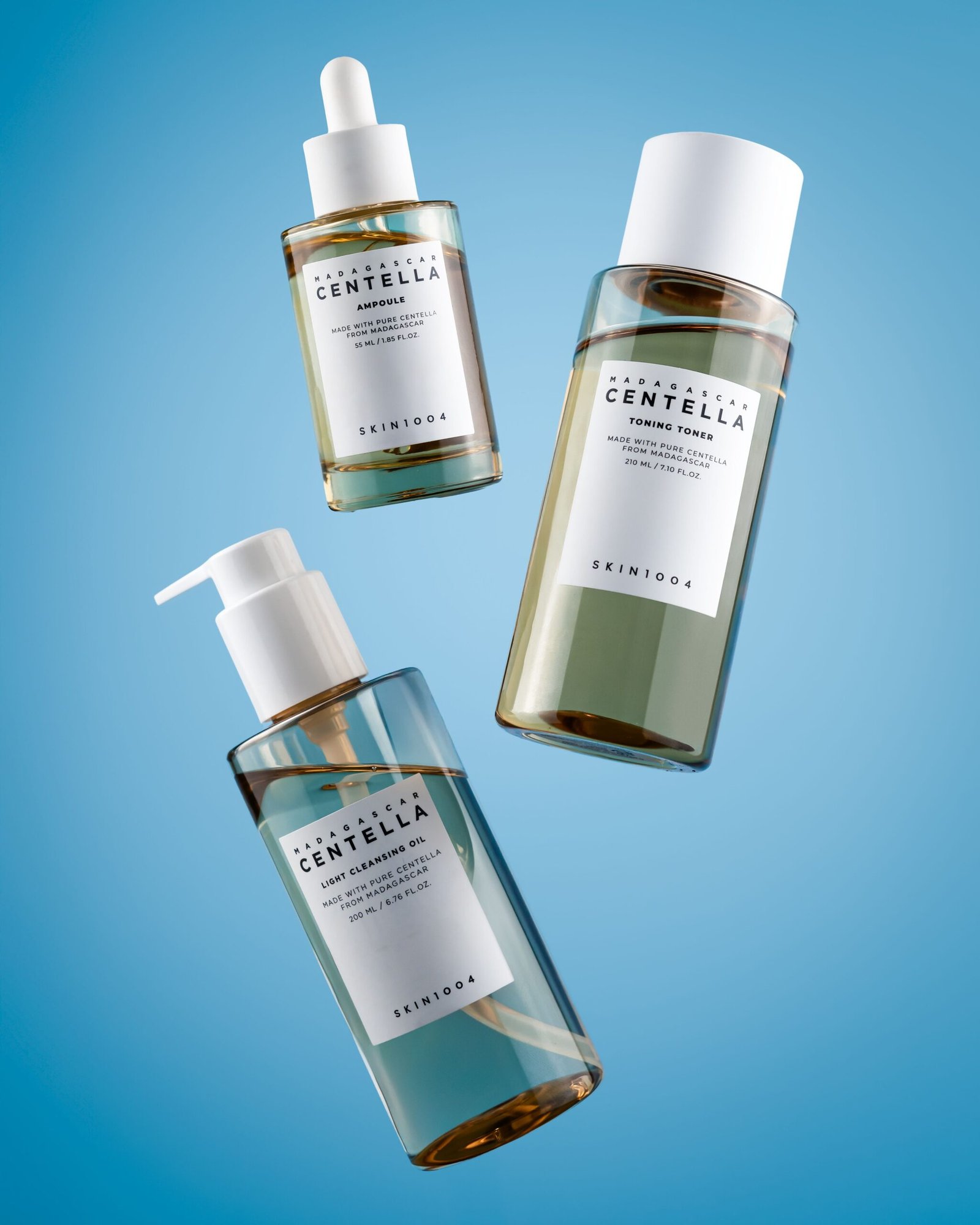
Final Takeaway: Is Centella Asiatica Worth Adding to Your Routine?
Centella asiatica has become one of the most recognizable ingredients in Korean skincare because it fits naturally into routines focused on soothing, hydration, skin comfort, and barrier support.
The most important centella asiatica benefits include:
- Soothing support for stressed-feeling skin
- Skin-conditioning benefits
- Support for a healthy-looking skin barrier
- Compatibility with many other skincare ingredients
- Lightweight hydration when combined with humectants
- Support for sensitive, dry, dehydrated, oily, combination, and acne-prone routines
Its biggest advantage is versatility.
Centella can be used with ingredients such as ceramides, panthenol, hyaluronic acid, niacinamide, snail mucin, heartleaf, vitamin C, and retinoids.
But it isn’t a miracle treatment.
The best results come from using Centella as one part of a balanced routine:
Cleanse → Hydrate → Treat → Soothe → Moisturize → Protect
If your skin is frequently tight, sensitive, dehydrated, or uncomfortable after active ingredients, a Centella-focused product may be a useful addition to your routine.
Start with one product, introduce it gradually, and choose the formula based on your actual skin needs rather than simply choosing the product with the highest concentration or most popular marketing claim.
Explore Korean skincare at MoskinLocker and build a routine that gives your skin the right balance of hydration, soothing care, targeted treatment, moisturization, and daily sun protection.