- / Skincare
How to Pick a Serum for Combination Skin: The Ultimate Guide for Balanced and Hydrated Skin
If you’ve been wondering how to pick a serum for combination skin, you’re already ahead of the game. Combination skin can feel like you’re dealing with two (or more) skin types at once, oily in some areas, dehydrated in others, and occasionally sensitive or acne-prone. That makes choosing the right serum less straightforward, but far from impossible.
The key lies in understanding what your skin truly needs and selecting targeted formulas that work with your skin, not against it.
In this guide, you’ll learn how to navigate serum choices, which ingredients to prioritize, and how to build a routine that delivers balanced, clear, and hydrated skin, fast.
What Is Combination Skin (and Why It Needs a Different Approach)?
Combination skin typically means:
- An oily T-zone (forehead, nose, chin)
- Normal or dry cheeks
- Occasional breakouts, enlarged pores, or dehydration
This mix creates a unique challenge. Products that are too rich may clog pores, while lightweight formulas might not provide enough hydration where it’s needed.
That’s exactly where serums shine.
Unlike heavier creams, serums are lightweight, fast-absorbing, and highly concentrated, designed to penetrate deeper and target specific concerns like oiliness, dryness, dullness, or uneven texture.
Why Serums Are Essential for Combination Skin
Think of serums as your skin’s problem-solvers.
They:
- Deliver targeted active ingredients directly into the skin
- Absorb quickly without leaving a greasy layer
- Address multiple concerns at once (hydration + oil control, for example)
- Adapt easily to both morning and night routines
For combination skin, this flexibility is everything. You don’t need a dozen products, you need the right ones.
How to Pick a Serum for Combination Skin (Step-by-Step)
Let’s break down the decision-making process so you can confidently choose the best option for your skin.
1. Identify Your Primary Concern First
Before asking what the best serum for combination skin is, ask yourself:
- Are you dealing with excess oil and breakouts?
- Is dehydration or tightness your biggest issue?
- Do you notice dullness or uneven tone?
- Are fine lines or early signs of aging a concern?
Combination skin doesn’t mean you treat everything at once; it means you prioritize.
For example:
- Acne-prone? Focus on clarifying ingredients
- Dull skin? Choose brightening serums
- Dehydrated? Start with hydration
2. Look for Multi-Tasking Ingredients
The best serums for combination skin are those that do more than one job.
Here are some standout ingredients:
- Hyaluronic acid: hydrates without heaviness
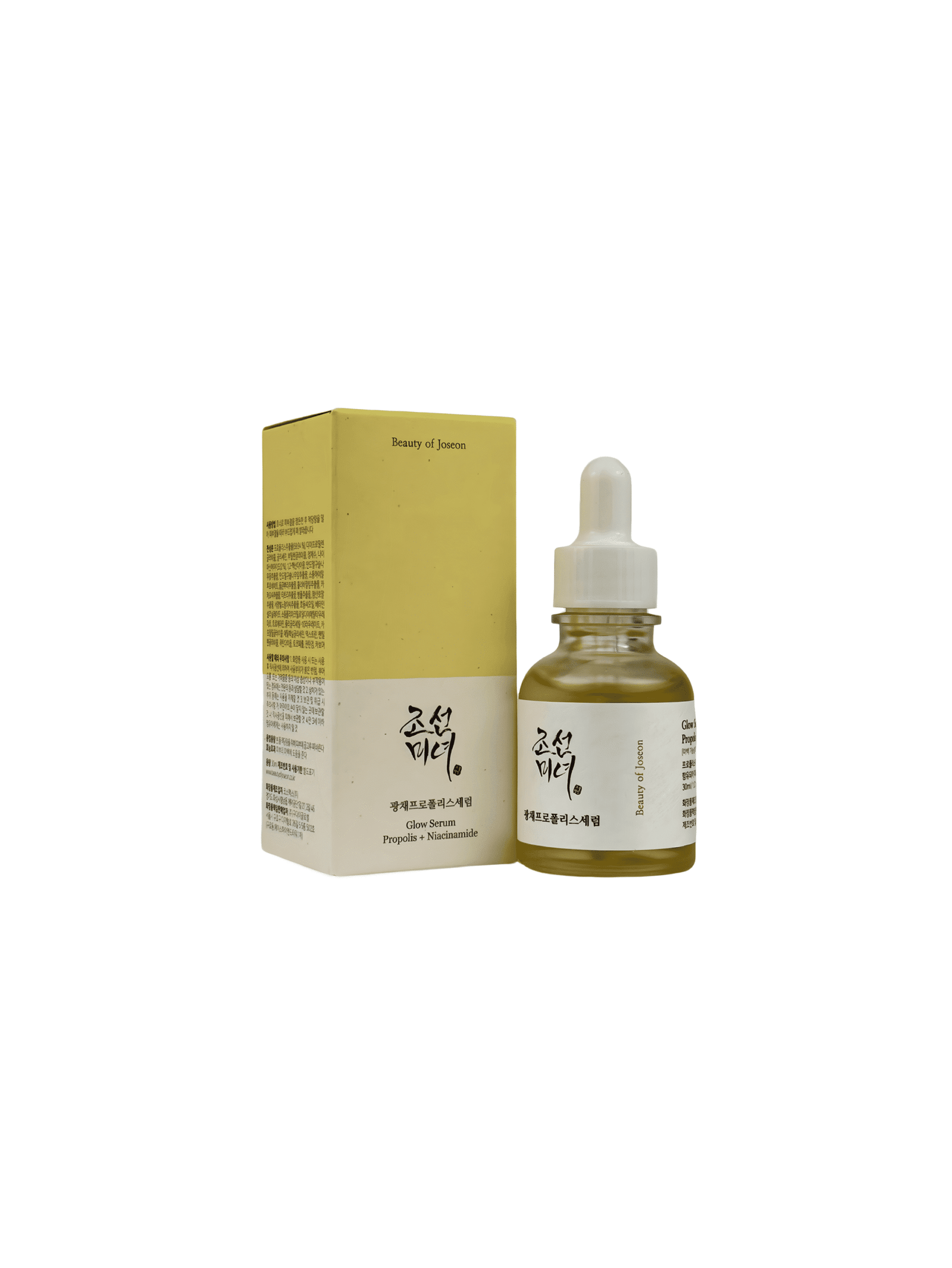
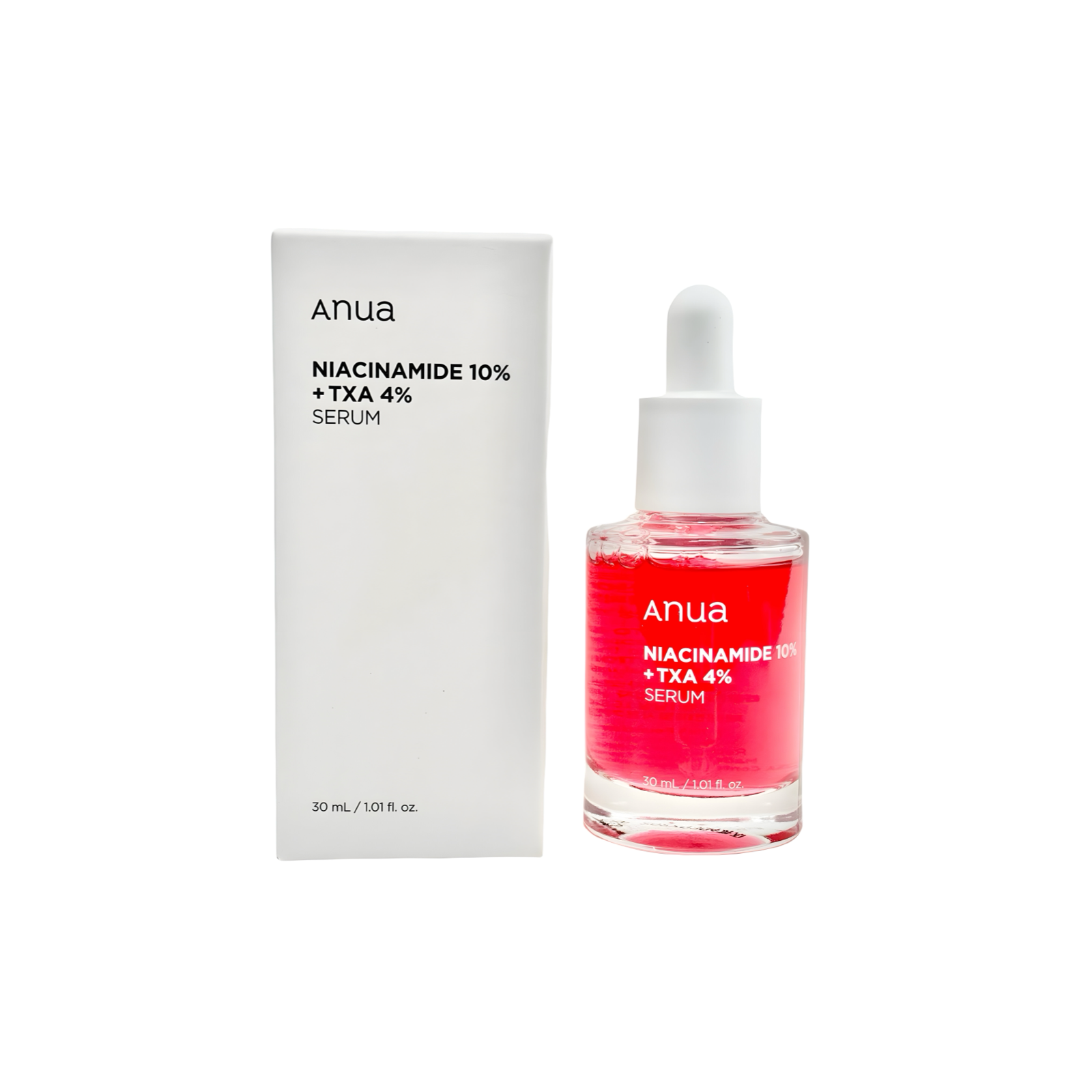
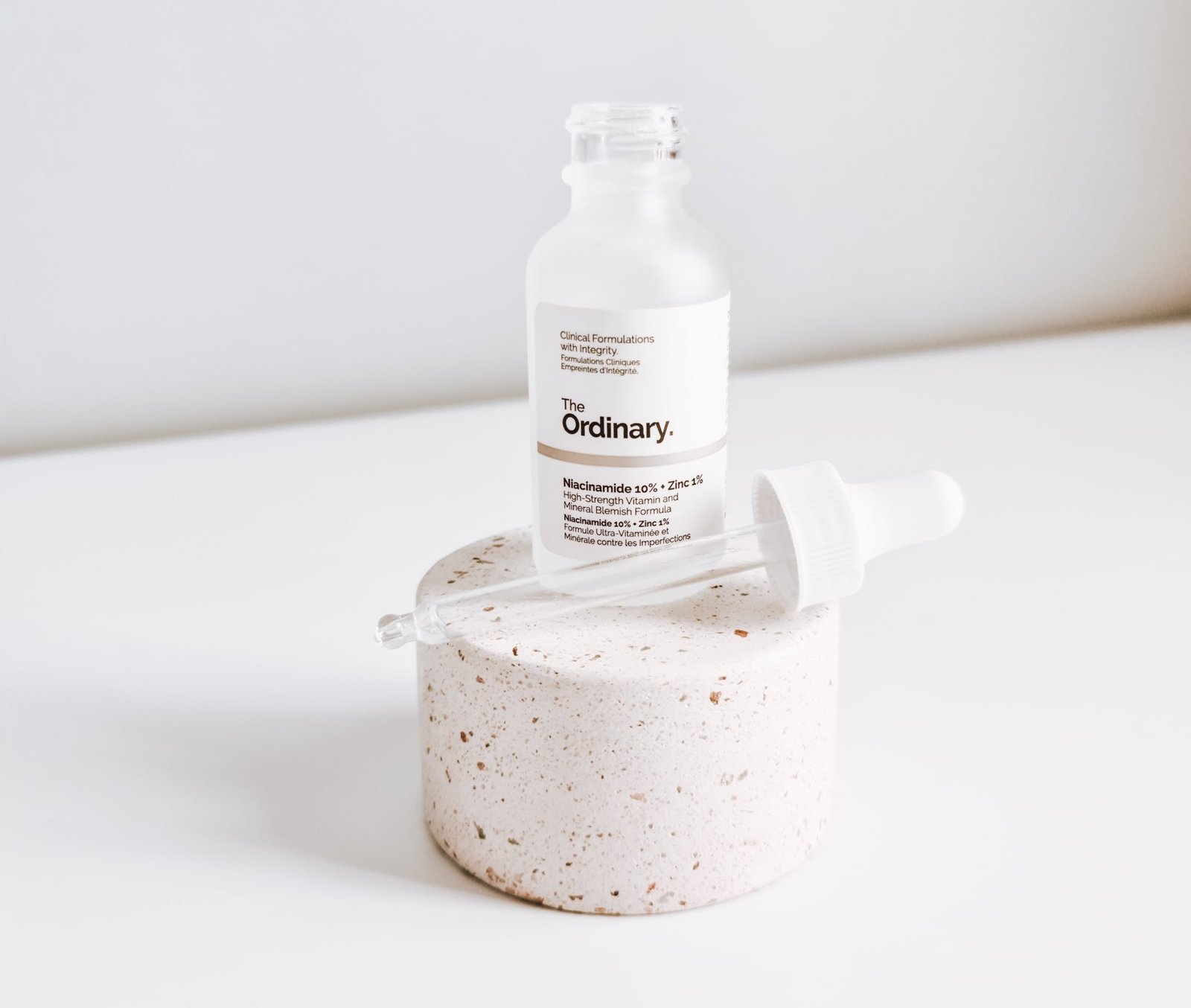
- Niacinamide: balances oil, reduces pores, and strengthens the skin barrier
- Vitamin C: brightens and protects against environmental damage
- Salicylic acid: clears pores and controls oil
- Retinoids: improve texture and support collagen
These ingredients help answer a common question: how to balance combination skin naturally, by supporting both oily and dry areas simultaneously.
3. Choose the Right Formula (Lightweight Matters)
Texture matters just as much as ingredients.
For combination skin:
- Opt for lightweight, water-based serums
- Avoid overly heavy or greasy formulations
- Look for fast-absorbing, non-comedogenic products
This ensures hydration without clogging pores or worsening oiliness.
4. Don’t Skip Hydration (Even If You’re Oily)
One of the biggest mistakes people make? Skipping hydration because their skin feels oily.
In reality, dehydration can increase oil production.
Hydrating serums:
- Improve skin elasticity
- Reduce the appearance of fine lines
- Help regulate oil levels
If you’ve searched for the best hydrating serum for combination skin, the answer almost always includes hyaluronic acid-based formulas.
5. Consider Layering, but Keep It Simple
Yes, you can use more than one serum, but be strategic.
For example:
- Morning: antioxidant serum (like vitamin C)
- Night: treatment serum (like retinol or exfoliating acids)
Avoid layering too many activities at once. This can irritate your skin and worsen texture issues.
Best Types of Serums for Combination Skin
Let’s explore the most effective categories and how they benefit your skin.
Hydrating Serums
Perfect for restoring moisture without heaviness.
They:
- Plump the skin
- Reduce dryness and flakiness
- Support a healthy skin barrier
Best for: dehydrated areas and overall balance
Brightening Serums
If your skin looks dull or uneven, this is your go-to.
They:
- Even out skin tone
- Reduce dark spots
- Boost radiance
Best for: dullness, pigmentation, post-acne marks
Acne-Control Serums
Ideal for oily zones and breakout-prone areas.
They:
- Unclog pores
- Reduce excess oil
- Calm inflammation
Best for: T-zone oiliness and acne
Anti-Aging Serums
Even combination skin needs long-term care.
They:
- Support collagen production
- Smooth fine lines
- Improve overall texture
Best for: early signs of aging and uneven skin
Exfoliating Serums
These are essential if you’re dealing with rough or uneven texture.
They:
- Remove dead skin cells
- Improve skin turnover
- Minimize pores
Best for: bumpy skin, congestion, dullness
Calming/Soothing Serums
If your skin gets irritated easily, these can help.
They:
- Reduce redness
- Strengthen the skin barrier
- Support recovery
Best for: sensitive or reactive combination skin
How to Use a Serum for Combination Skin (Correctly)
Even the best serum won’t work if you use it the wrong way.
Follow this simple routine:
Morning:
- Cleanser
- Serum
- Moisturizer
- Sunscreen
Night:
- Cleanser
- Serum
- Moisturizer
Tips:
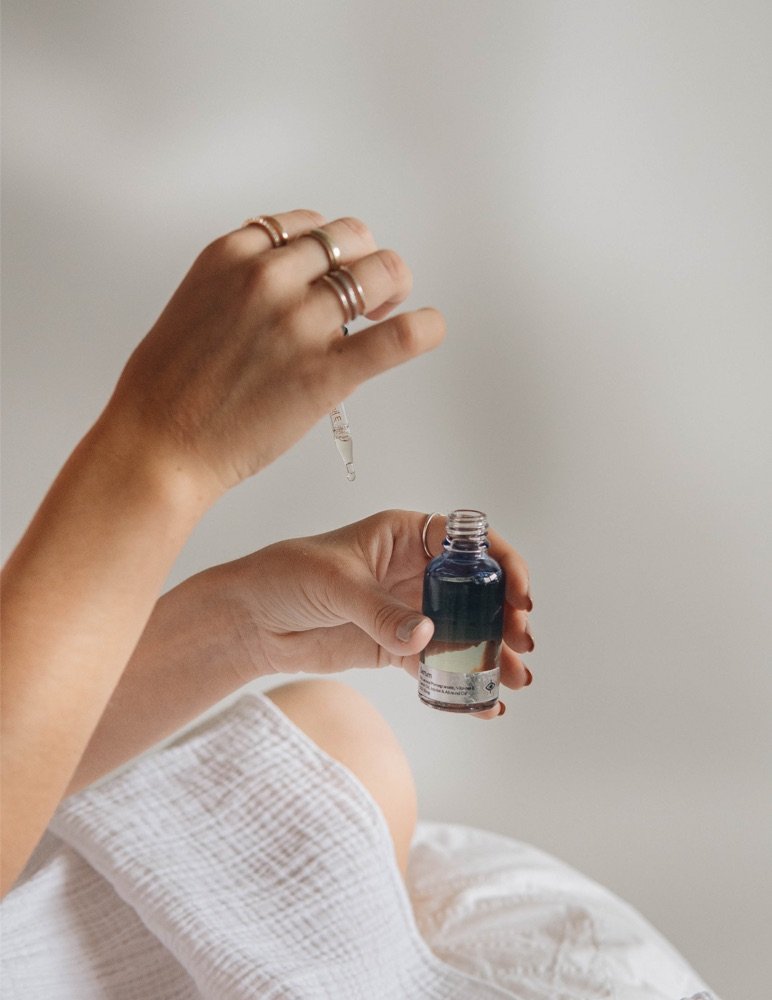
- Use 2–3 drops only
- Gently pat into the skin (don’t rub aggressively)
- Wait about 30–60 seconds before layering the next product
Common Mistakes to Avoid
When learning how to pick a serum for combination skin, it’s just as important to know what not to do.
Avoid these pitfalls:
- Using too many serums at once
- Skipping moisturizer after serum
- Ignoring sunscreen
- Choosing products without checking ingredients
- Over-exfoliating your skin
Consistency, not overcomplication, is what delivers results.
How Lifestyle Affects Your Skin Balance
Skincare isn’t just topical.
Your daily habits play a major role in how your skin behaves.
Support your skin by:
- Eating nutrient-rich foods (fruits, vegetables, healthy fats)
- Staying hydrated
- Limiting sugar and processed foods
- Managing stress
These steps can improve everything from hydration to inflammation and overall texture.
When to Consider Professional Help
If your skin isn’t improving despite a consistent routine, it may be time to seek expert advice.
Professional treatments like:
- Chemical peels
- Microneedling
- Laser therapies
…can target deeper concerns like acne scars, enlarged pores, and persistent uneven texture.
They work by promoting collagen production and accelerating skin renewal, something at-home products can only do to a certain extent.

Final Thoughts
So, how to pick a serum for combination skin?
It comes down to three things:
- Understanding your skin’s needs
- Choosing targeted, multi-functional ingredients
- Staying consistent with a simple, effective routine
Combination skin doesn’t require perfection; it requires balance.
Start with hydration, add targeted treatments where needed, and protect your progress with sunscreen. Over time, you’ll notice smoother texture, fewer breakouts, and a healthier, more even complexion.
Clear, balanced skin isn’t about doing more; it’s about doing the right things consistently.