
Korean skincare has become popular worldwide because of its innovative formulas, unique ingredients, and focus on healthy skin rather than quick fixes. However, with hundreds of products available, choosing the right product can feel overwhelming, especially when you are faced with long ingredient lists filled with unfamiliar names.
Learning how to read labels for skincare products can help you understand what you are actually applying to your skin, identify ingredients that match your skin goals, and make smarter decisions when buying Korean beauty products.
Korean skincare labels may include scientific ingredient names, botanical extracts, active ingredients, and marketing claims. Knowing what matters (and what does not) can help you look beyond the packaging and choose products based on formulation rather than hype.
Whether you’re buying your first Korean moisturiser or comparing two popular serums, understanding a skincare ingredient list helps you look beyond marketing claims and choose products that suit your skin type and concerns.
Once you know how to read labels, you’ll find it much easier to compare products, identify beneficial ingredients, and build a skincare routine with confidence!
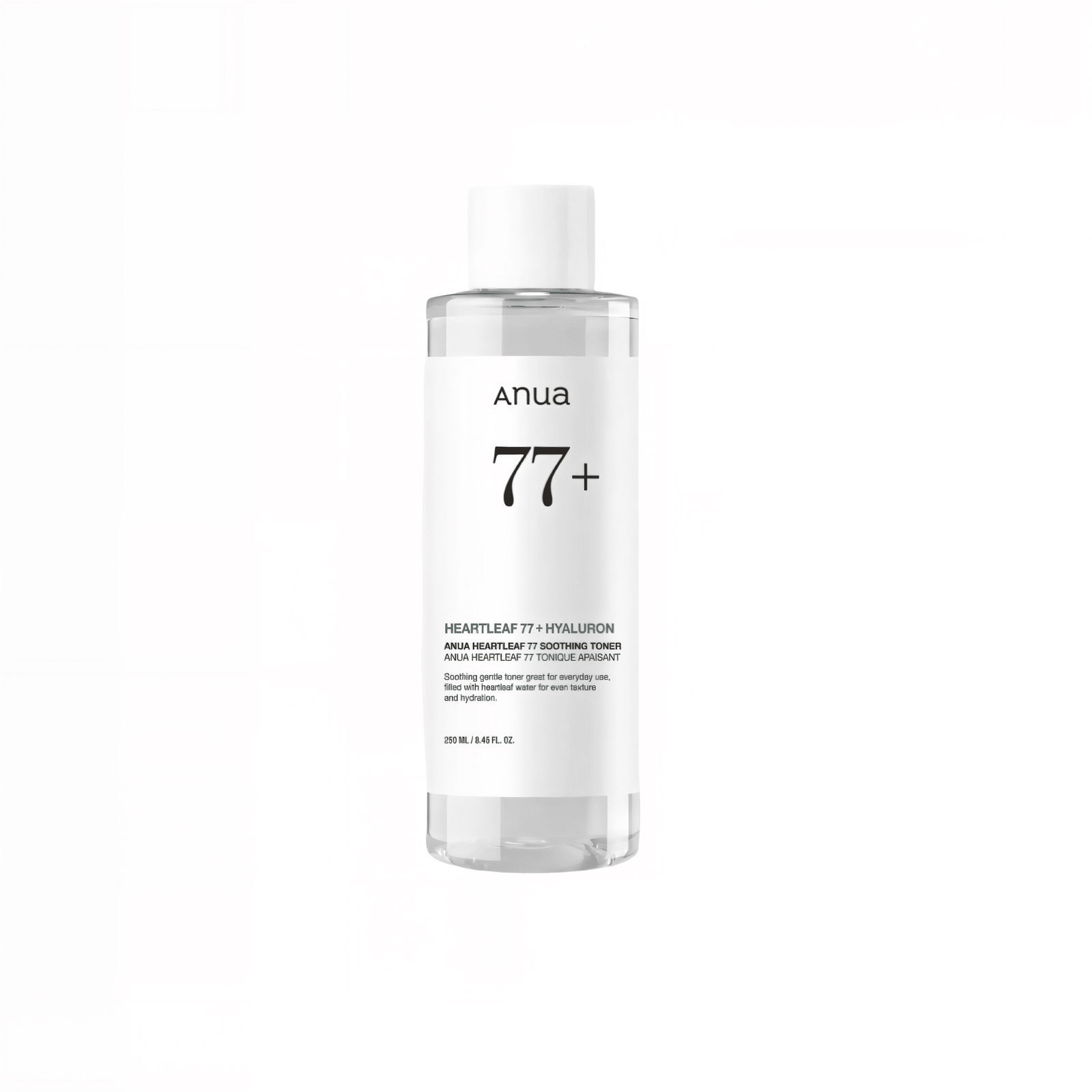
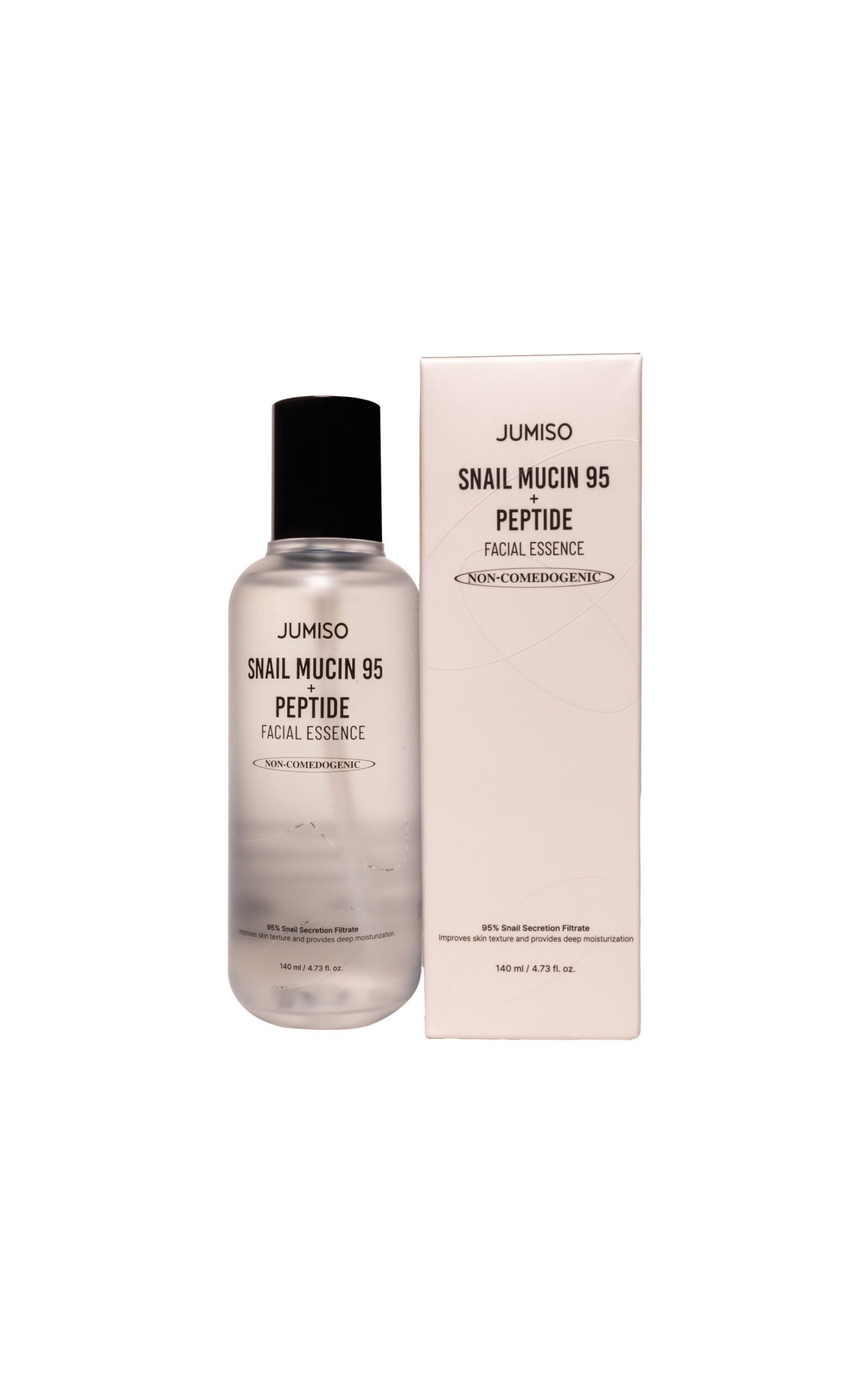
What Are INCI Names on Korean Skincare Labels?
INCI stands for International Nomenclature of Cosmetic Ingredients, which is a standardized system used to name cosmetic ingredients around the world.
When you look at a Korean skincare product’s ingredient list, you may not always see familiar names. Instead, ingredients are often written using their official scientific names.
For example:
- Aqua = Water
- Sodium Hyaluronate = A form of Hyaluronic Acid
- Tocopherol = Vitamin E
- Niacinamide = Vitamin B3
- Centella Asiatica Extract = Centella (Cica)
These names may look complicated at first, but they allow consumers to compare products more accurately across different countries.
If you’re shopping online for Korean skincare, you’ll often see INCI names alongside translated ingredient lists.
Learning to recognise common ingredients such as niacinamide, centella asiatica, glycerin and sodium hyaluronate makes it much easier to compare similar products from different brands, even when the marketing descriptions vary.
How to Read Labels for Skincare Products: Start With the Ingredient List
The ingredient list is usually the most reliable source of information about a skincare product.
Marketing claims such as:
- “glass skin”
- “clean beauty”
- “natural”
- “brightening”
- “anti-aging”
can help describe a product’s purpose, but they do not tell you the complete formula.
When reading a skincare product label, focus on:
- The first few ingredients
- The active ingredients
- Ingredients that match your skin concerns
- Ingredients you personally want to avoid
A product’s packaging may highlight one “hero ingredient,” but the ingredient list gives you a clearer picture of the complete formulation.
Don’t Judge a Product by the Front Label
Many Korean skincare products highlight a single “hero ingredient” on the front of the packaging, such as snail mucin, centella asiatica, or rice extract. While these ingredients may be important, the front label doesn’t tell you how much of that ingredient is included or how the rest of the formula supports it.
For example, two serums may both advertise niacinamide, but one may combine it with ceramides and hyaluronic acid for extra hydration, while another focuses on lightweight oil control.
Looking at the full ingredient list gives a much clearer understanding of how the product is likely to perform.
Understanding Ingredient Order on Skincare Labels
Most skincare products list ingredients from the highest amount to the lowest amount.
This means ingredients near the beginning of the list usually make up a larger portion of the formula.
For example, if a product lists:
- Aqua
- Glycerin
- Propanediol
- Niacinamide
- Centella Asiatica Extract
the formula likely contains a high amount of hydrating ingredients, with niacinamide and centella included as supporting ingredients.
However, ingredient order does have limitations.
You cannot determine the exact percentage of each ingredient simply by looking at the list. Ingredients used in smaller amounts may still be highly effective, and some powerful skincare ingredients are beneficial even at low concentrations.
For example, ingredients like retinol, salicylic acid, and certain peptides are often effective at relatively low percentages. Likewise, ingredients listed near the top of the ingredient list aren’t automatically “better”. Water is commonly the first ingredient in many skincare products.
In contrast, highly effective active ingredients are often included at lower concentrations because that’s all that’s needed for them to work as intended.
The Difference Between Active Ingredients and Supporting Ingredients
One of the most important parts of understanding Korean skincare labels is knowing the difference between active and supporting ingredients.
Active Ingredients
Active ingredients are ingredients included to target specific skin concerns.
Examples include:
Niacinamide
A popular Korean skincare ingredient that may help improve the appearance of uneven skin tone, excess oil, and weakened skin barriers.
Learn more about choosing the right serum for your skin type in our guide to selecting a serum for combination skin.
Hyaluronic Acid
A hydrating ingredient that helps attract and retain moisture, making it popular in products designed for dehydrated skin.
Centella Asiatica
Also known as cica, this botanical ingredient is especially popular in Korean skincare routines designed for sensitive or irritated skin.
Snail Mucin
A popular ingredient in Korean beauty products known for its hydrating and skin-conditioning properties.
Retinol
A vitamin A derivative commonly used in skincare routines focused on improving the appearance of fine lines and texture.
Supporting Ingredients
Not every ingredient is included for a direct skincare benefit.
Supporting ingredients help improve:
- Texture
- Stability
- Product absorption
- Preservation
- Feel on the skin
Examples include:
- Emulsifiers
- Preservatives
- Thickeners
- Texture enhancers
These ingredients are not necessarily “bad” ingredients. They are important for creating safe and effective skincare products.
Common Korean Skincare Ingredients You May See on Labels
Korean skincare products often feature unique ingredients that have become popular worldwide.
Here are some common ones to recognize:
Centella Asiatica (Cica)
Often found in products designed for sensitive or irritated skin, centella is a popular ingredient in Korean skincare routines.
Snail Mucin
Frequently used in Korean essences and serums, snail mucin is valued for its hydrating and skin-conditioning properties.
Rice Extract
A traditional skincare ingredient often associated with brightening and improving the appearance of dull skin.
Propolis
A bee-derived ingredient commonly used in products designed to support hydrated and healthy-looking skin.
Green Tea Extract
Known for containing antioxidants, green tea is commonly included in skincare products targeting oiliness and environmental stress.
Heartleaf (Houttuynia Cordata)
A popular Korean botanical ingredient often included in products designed for oily or blemish-prone skin.
Recognizing these ingredients can help you better understand what a Korean skincare product is designed to do.
Why You Often See Plant Extracts in Korean Skincare
One thing you’ll notice when reading Korean skincare labels is the frequent use of botanical extracts alongside well-known active ingredients. Ingredients such as green tea, mugwort, heartleaf (Houttuynia Cordata), rice extract, and centella asiatica are commonly included to support hydration, provide antioxidant benefits, or help soothe the skin.
While these extracts can complement a formula, it’s worth remembering that their effectiveness depends on the overall formulation rather than simply appearing on the ingredient list.
Does a Longer Ingredient List Mean a Better Product?
A common mistake is assuming that a product with more highlighted ingredients will automatically work better. A formula is not successful because it contains one popular ingredient. The overall combination matters.
For example:
A serum containing niacinamide may work differently depending on what other ingredients are included, such as:
- Hydrating ingredients
- Barrier-supporting ingredients
- Soothing extracts
- Texture-enhancing ingredients
Good skincare is about finding a formula that matches your skin needs. Some highly effective Korean skincare products contain relatively short ingredient lists, especially products designed for sensitive skin.
Others contain dozens of ingredients to target multiple concerns at once. Neither approach is automatically better; the right choice depends on your skin type, goals, and how well the ingredients work together.
How to Choose Korean Skincare Based on Your Skin Type
Reading labels becomes easier when you know what your skin needs.
For Dry Skin
Look for ingredients such as:
- Hyaluronic acid
- Glycerin
- Ceramides
- Squalane
- Rice extract
These ingredients are commonly found in Korean moisturizers, essences, and serums designed to support hydration.
For Oily or Acne-Prone Skin
Look for:
- Niacinamide
- Salicylic acid
- Lightweight moisturizers
- Green tea extract
Avoid assuming that oily skin does not need hydration. Many oily skin types benefit from lightweight, barrier-supporting products.
For Sensitive Skin
Look for:
- Centella asiatica
- Panthenol
- Fragrance-free formulas
- Gentle moisturising ingredients
Sensitive skin often benefits from simpler formulas with fewer potential irritants.
Here’s a quick summary of the skin concerns and the ingredients that help counter them.
Skin Concern | Ingredients to Look For |
Dry skin | Hyaluronic acid, ceramides, squalane |
Oily skin | Niacinamide, green tea, BHA |
Acne-prone skin | Salicylic acid, centella asiatica |
Sensitive skin | Panthenol, centella asiatica, ceramides |
Uneven skin tone | Niacinamide, vitamin C, rice extract |

How to Spot Marketing Claims on Skincare Packaging
Korean skincare packaging often includes phrases such as “brightening”, “glass skin”, “dermatologist tested” or “clean beauty”. While these claims can provide some indication of a product’s purpose, they don’t replace the ingredient list.
For example, two moisturisers may both claim to strengthen the skin barrier, but one may rely on ceramides and panthenol while another focuses on centella asiatica and botanical extracts.
Looking at the ingredients helps you understand how a product is formulated rather than relying solely on advertising language.
Understanding Fragrance and Other Ingredients
Some people prefer fragrance-free skincare products, especially if they have sensitive skin.
When reading labels for skincare products, look for terms such as:
- Fragrance
- Parfum
- Essential oils
These ingredients are not automatically harmful, but some people may prefer to avoid them depending on their skin sensitivity.
The best skincare routine is personal. An ingredient that works well for one person may not be suitable for another.
Are Skincare Ingredient Checker Apps Reliable?
Ingredient checker apps can help identify unfamiliar ingredients, but they don’t assess how a product is formulated or whether the ingredients work well together.
They also can’t predict how your individual skin will respond. Use them as a learning tool rather than a final judgement when choosing skincare products.
However, they can help explain:
- Ingredient functions
- Common uses
- Potential concerns
But they should not replace understanding the complete formula.
A product should not automatically be considered good or bad based only on an app rating. Ingredient concentration, formulation, and your individual skin type all matter.
A Quick Checklist Before You Buy
✓ Check the first five ingredients to understand the product’s base.
✓ Identify the main active ingredients that match your skin goals.
✓ Look for potential irritants if you have sensitive skin.
✓ Make sure the product fits into your existing skincare routine.
✓ Read the usage instructions; some ingredients are intended for evening use or require daily sunscreen.
Ready to Choose the Right Korean Skincare?
Now that you know how to read skincare labels, the next step is choosing products with ingredients that match your skin type and goals.
Whether you’re looking for soothing centella products, hydrating hyaluronic acid formulas, or brightening niacinamide serums, shopping by ingredient can make finding the right routine much easier.
Browse:
Final Thoughts: Becoming a Smarter Korean Skincare Shopper
Understanding labels for skincare products allows you to move beyond marketing claims and make informed choices based on ingredients and formulation.
Korean skincare labels may look complicated at first, but once you understand INCI names, ingredient order, and common Korean skincare ingredients, choosing products becomes much easier.
The goal is not to find a product with the longest ingredient list or the trendiest ingredient. The goal is to find a formula that matches your skin type, concerns, and skincare routine.
By learning how to read Korean skincare labels, you can shop more confidently and choose products that actually fit your skincare goals.