
If you’ve explored snail mucin Korean skincare, you’ve probably noticed the ingredient everywhere, from lightweight essences and serums to moisturizers designed for hydration and skin barrier support. But what exactly is snail mucin, what does it do, and where should you place it in your routine?
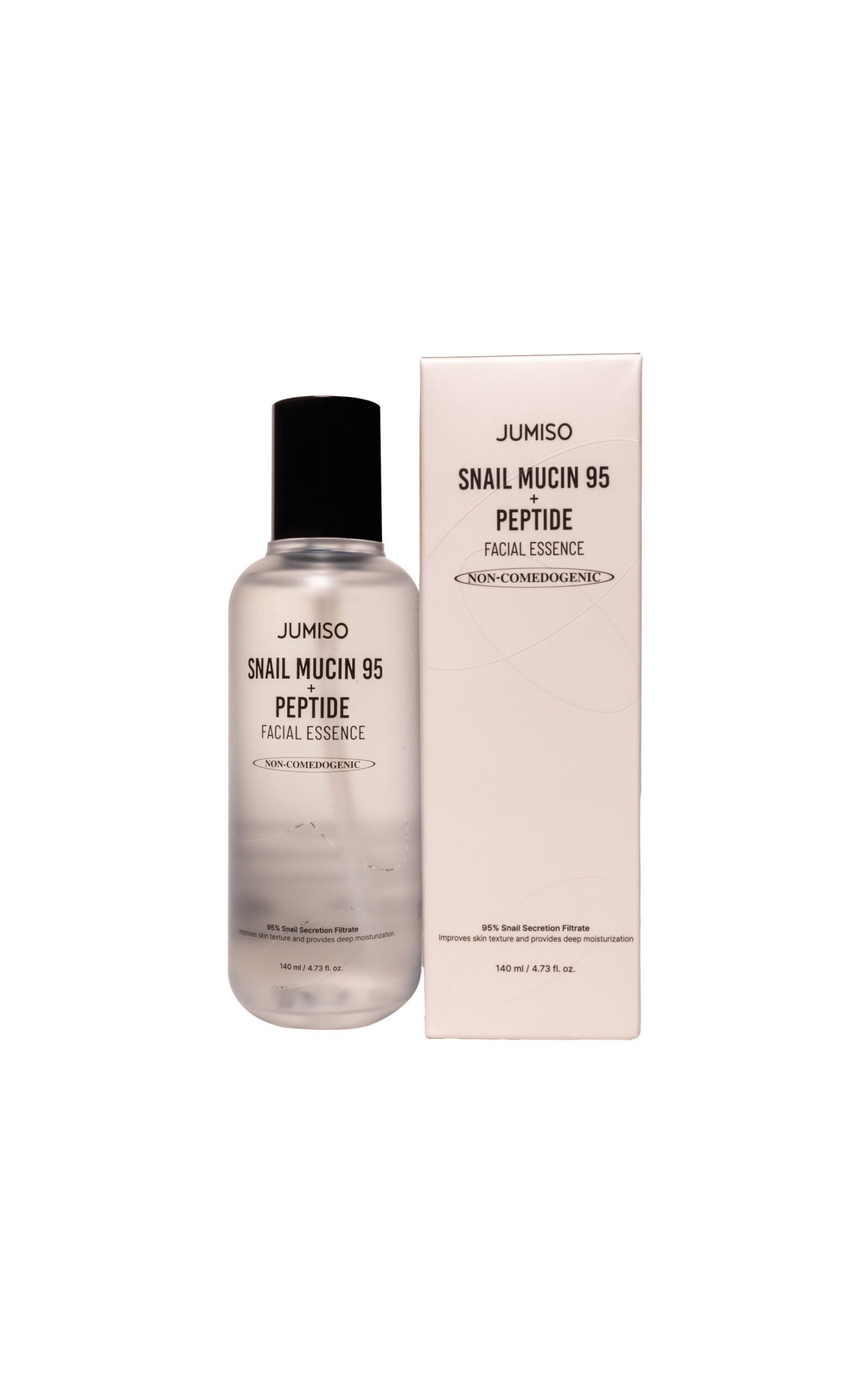
Snail mucin is a skincare ingredient derived from snail secretion filtrate. It is particularly popular in Korean skincare because it can provide hydration and skin-conditioning benefits while fitting easily into simple or multi-step routines.
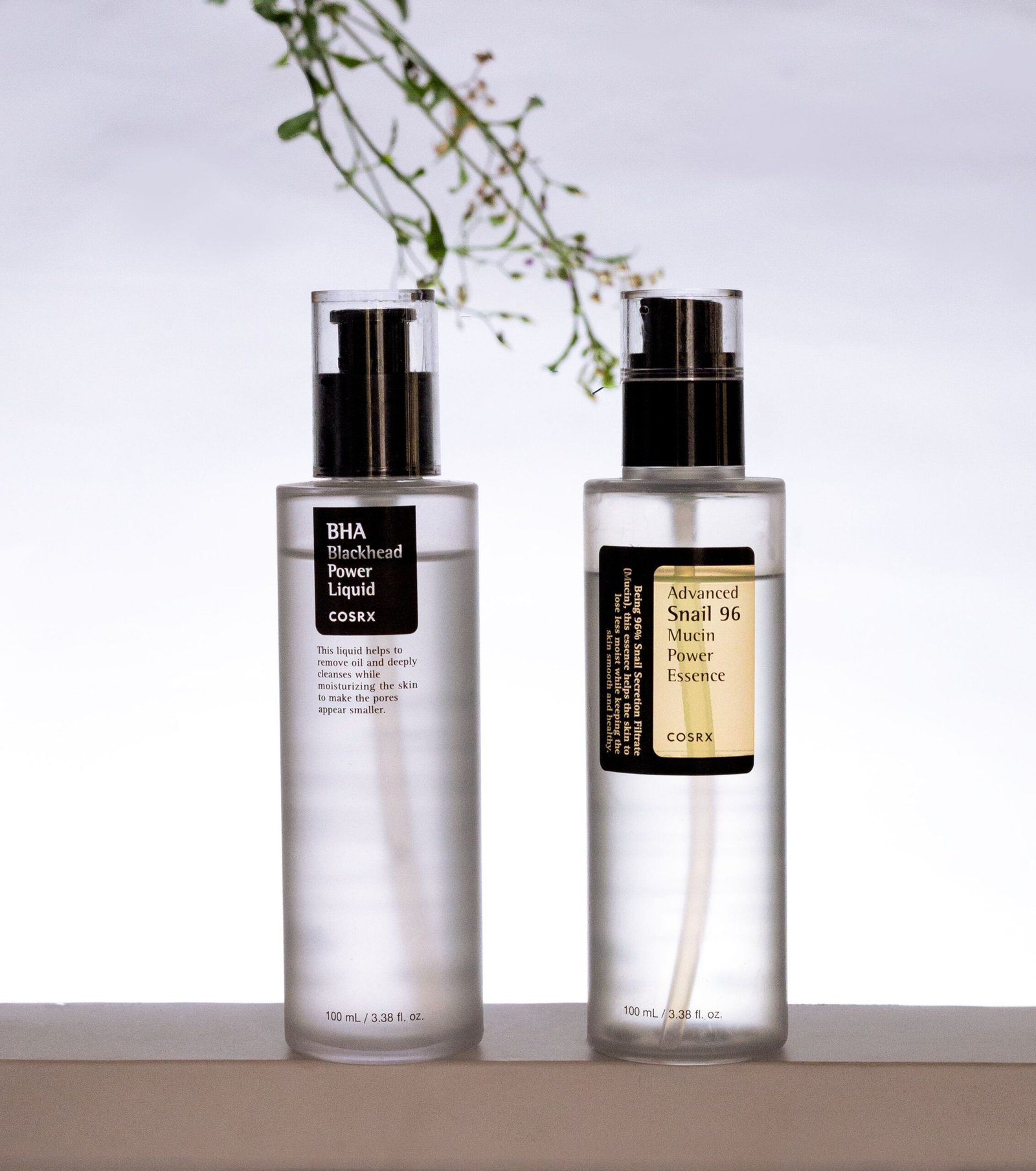
One of the best-known examples is the COSRX Advanced Snail 96 Mucin Power Essence, a lightweight essence designed around snail secretion filtrate.
In this guide, we’ll explain the benefits of snail mucin, how to use it, when to apply it, whether it works for oily, dry, sensitive, or acne-prone skin, what ingredients you can pair with it, what to avoid, and how to build a complete Korean skincare routine around it.
Snail Mucin Korean Skincare: Quick Answer
Snail mucin is a skincare ingredient obtained from snail secretion and used primarily for hydration, skin conditioning, and supporting a comfortable skin barrier.
It can be particularly useful for people dealing with:
- Dehydrated skin
- Dryness
- Dull-looking skin
- Rough-feeling skin
- Sensitive-feeling skin
- A compromised-feeling skin barrier
- Skin that needs lightweight hydration
Snail mucin is not an exfoliating acid, retinoid, or acne medication.
Its main role is supportive rather than aggressive.
Snail Mucin at a Glance
Category | Details |
Ingredient | Snail secretion filtrate |
Main role | Hydration and skin conditioning |
Texture | Usually lightweight, slippery or gel-like |
Best suited to | Most skin types |
Particularly useful for | Dehydrated, dry, sensitive and dull-looking skin |
Acne treatment? | No |
Exfoliating? | No |
Can be used daily? | Often, depending on the product |
Morning use? | Yes |
Evening use? | Yes |
Common formats | Essence, serum, ampoule, moisturizer |
The important distinction is that snail mucin supports your skincare routine; it doesn’t replace every other step.
What Is Snail Mucin?
Snail mucin is the common skincare term for material derived from snail secretion, usually listed in cosmetic ingredients as Snail Secretion Filtrate.
Cosmetic formulations may contain a mixture of naturally occurring components associated with snail secretion, including glycoproteins, humectant compounds, and other skin-conditioning substances.
The exact composition depends on the source, extraction process, purification, and finished cosmetic formula.
This is important because not every snail mucin product is identical.
A product’s overall formulation matters just as much as the percentage or marketing claim associated with snail mucin.
In Korean skincare, snail mucin is particularly common in essences because the ingredient can provide a lightweight layer of hydration without requiring a heavy cream texture.
What Are the Benefits of Snail Mucin?
The popularity of snail mucin comes largely from its ability to combine hydration and skin conditioning in one ingredient.
1. Snail Mucin Helps Hydrate the Skin
One of the primary reasons people use snail mucin is hydration.
Many snail mucin formulas contain humectant and skin-conditioning components that can help the skin maintain a more hydrated, comfortable feel.
This makes snail mucin particularly interesting if your skin feels:
- Tight
- Rough
- Dull
- Dehydrated
- Dry after cleansing
However, a snail mucin essence shouldn’t necessarily replace your moisturizer.
For more information about dehydration, read our guide to Korean Skincare for Dehydrated Skin.
2. Snail Mucin Supports a Comfortable Skin Barrier
The skin barrier helps reduce excessive water loss and protects the skin from environmental stressors.
Snail mucin is frequently incorporated into routines designed around hydration and skin comfort.
It can be particularly useful when paired with barrier-supportive ingredients such as:
- Ceramides
- Panthenol
- Glycerin
- Hyaluronic acid
- Centella asiatica
If your main concern is barrier damage, however, don’t rely on snail mucin alone.
A well-formulated moisturizer remains an important part of a barrier-focused routine.
See our guide to Best Korean Skincare for Skin Barrier Repair for a deeper look at barrier-supportive routines.
3. Snail Mucin Can Improve the Feel of Dry or Rough Skin
Dehydrated and dry skin often feels rough or tight.
A hydrating essence can provide a smoother-feeling layer before moisturizer.
This is one reason snail mucin works well in routines where the goal is to make the skin feel:
- Softer
- Smoother
- More comfortable
- Better hydrated
The result will vary depending on the individual’s skin and the complete formula.
4. Snail Mucin Can Complement Dull-Skin Routines
Dull-looking skin can be associated with dehydration, environmental exposure, uneven texture, or a buildup of dead skin cells.
Snail mucin can contribute hydration and conditioning, which may make skin appear healthier and more supple.
However, it isn’t an exfoliant.
If uneven pigmentation or stubborn dark spots are your main concern, you may need targeted ingredients such as niacinamide or vitamin C alongside your hydration routine.
Explore our guide to Best Korean Brightening Skincare for Dark Spots.
5. Snail Mucin Can Support an Acne-Prone Routine
Snail mucin is not an acne medication.
However, acne-prone skin can still benefit from hydration, particularly when stronger acne treatments cause dryness or discomfort.
A lightweight snail mucin essence can provide a hydration layer without requiring a heavy cream.
For more information about building an acne-focused Korean routine, read Is Korean Skincare Good for Acne?.
Who Should Use Snail Mucin?
Snail mucin is versatile enough to work with many skin types.
Snail Mucin for Dry Skin
Dry skin may benefit from the hydration and conditioning provided by snail mucin.
However, follow it with a moisturizer containing appropriate emollient and barrier-supportive ingredients.
Snail Mucin for Dehydrated Skin
Snail mucin can be particularly useful for dehydrated skin because it can provide a lightweight hydration layer.
Try:
Cleanser → Hydrating Toner → Snail Mucin Essence → Moisturizer
Snail Mucin for Oily Skin
Oily skin doesn’t necessarily mean hydrated skin.
If your complexion becomes shiny but still feels tight, snail mucin can provide hydration without automatically requiring a heavy cream.
Choose a lightweight formula and adjust the moisturizer according to your skin.
For more guidance, see Best Korean Skincare Routine for Oily Skin.
Snail Mucin for Sensitive Skin
Snail mucin is often included in gentle, hydration-focused routines.
However, sensitivity is individual. A finished product may contain other ingredients that don’t agree with your skin.
Introduce it gradually and patch test when appropriate.
For more sensitive-skin guidance, see Is Korean Skincare Good for Sensitive Skin?.
Snail Mucin for Combination Skin
Snail mucin can be useful when some areas of the face feel dry while others become oily.
Its lightweight texture makes it relatively easy to layer underneath different moisturizers.
What Skin Types Benefit Most From Snail Mucin?
Skin Type | How Snail Mucin May Fit |
Dehydrated | Excellent hydration-supporting option |
Dry | Very good, especially under moisturizer |
Sensitive | Good, depending on formula |
Combination | Very good lightweight hydration |
Oily | Good lightweight hydration |
Normal | Good everyday hydration |
Acne-prone | Good supportive hydration |
Mature | Good for hydration and skin conditioning |
There is no requirement to have a particular skin type to use snail mucin.
The most important factor is whether the specific formula works comfortably for your skin.
How to Use Snail Mucin in a Korean Skincare Routine
So, when should you use snail mucin?
The answer depends on the product format.
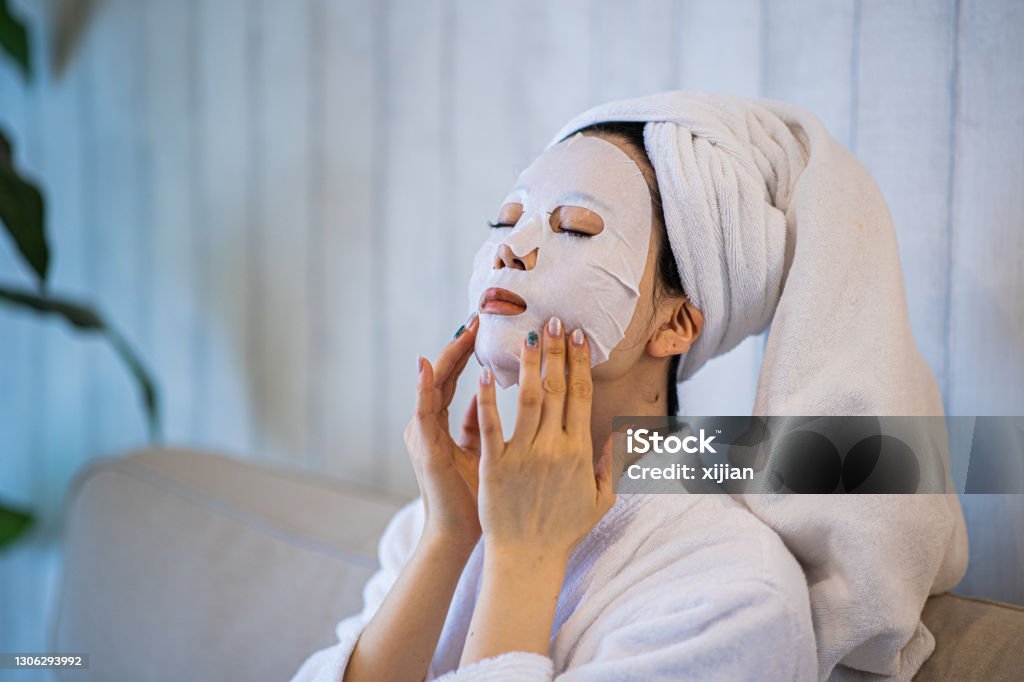
If you’re using a snail mucin essence, it usually goes after cleansing and toner and before moisturizer.
Basic Order
Cleanser → Toner → Snail Mucin Essence → Serum → Moisturizer → Sunscreen
If you’re using a treatment serum instead, follow the texture and instructions of the individual products.
For a detailed guide, read When Should I Use Snail Mucin in My Skincare Routine?.
Morning Snail Mucin Routine
A simple morning routine could be:
Step 1: Cleanser
Use a gentle cleanser appropriate for your skin type.
Explore Korean cleansers at MoskinLocker.
Step 2: Toner
Use a hydrating or soothing toner.
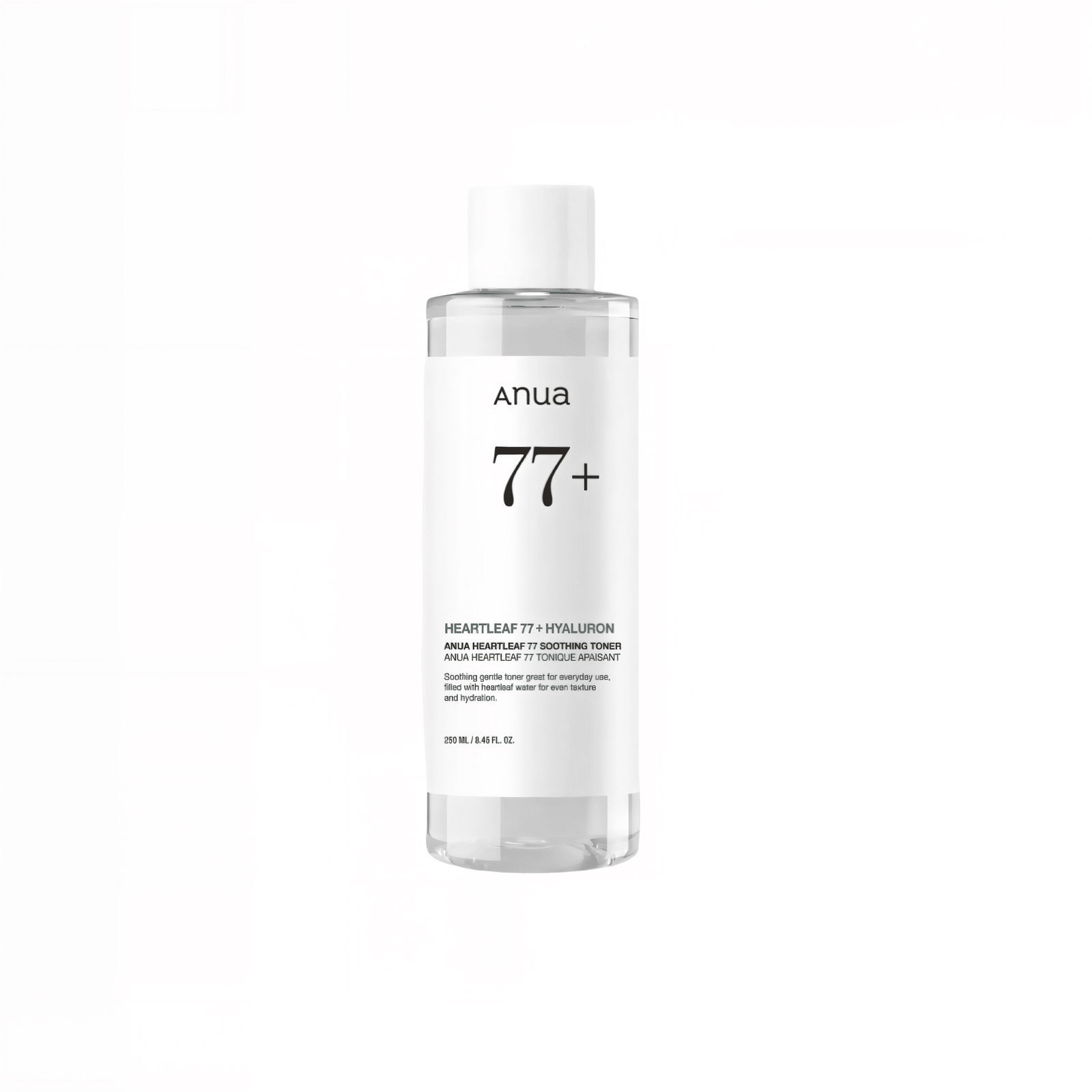
For example, Anua Heartleaf 77% Soothing Toner can provide a lightweight hydration-focused layer.
Step 3: Snail Mucin Essence
Apply your snail mucin product.
Use enough to cover the skin without excessive rubbing.
Step 4: Treatment Serum
If needed, follow with a targeted serum.
For example, you might choose a brightening or barrier-supportive serum depending on your skin concerns.
Step 5: Moisturizer
Seal your routine with a suitable moisturizer.
Explore Korean moisturizers.
Step 6: Sunscreen
Finish with broad-spectrum sunscreen.
Explore Korean sunscreens.
Evening Snail Mucin Routine
At night, your routine can be:
Cleanser → Toner → Snail Mucin → Treatment → Moisturizer
If you wear makeup or sunscreen:
Oil/Balm Cleanser → Water-Based Cleanser → Toner → Snail Mucin → Treatment → Moisturizer
You don’t need every step.
If your skin is sensitive or dehydrated, a shorter routine may actually be more comfortable.
What Can You Pair With Snail Mucin?
One of the advantages of snail mucin is that it generally fits easily into a routine because it isn’t a strong exfoliating active.
You can commonly pair it with:
Snail Mucin + Hyaluronic Acid
Both can support a hydration-focused routine.
If your skin is particularly dehydrated, layering multiple humectant-rich products may be useful, although you don’t necessarily need both.
Snail Mucin + Niacinamide
Niacinamide can complement snail mucin in routines targeting:
- Uneven-looking skin
- Excess oil
- Barrier support
- Visible pores
- Dark spots
See our guide to Best Korean Brightening Skincare for Dark Spots for more on brightening routines.
Snail Mucin + Centella
Both ingredients are popular in soothing Korean skincare.
If you’re choosing between them, the answer isn’t necessarily one or the other.
Read Snail Mucin vs Centella: Which Ingredient Is Better for Your Skin? for a detailed comparison.
Snail Mucin + Ceramides
This combination can make sense in a barrier-supportive routine.
Snail mucin can provide hydration and conditioning, while ceramides support the skin barrier.
Snail Mucin + Vitamin C
These ingredients can be used in the same routine when tolerated.
Vitamin C can target antioxidant protection and brightening, while snail mucin provides hydration and conditioning.
If vitamin C causes irritation, simplify your routine rather than forcing multiple active products together.
Snail Mucin + Retinoids
Snail mucin can be useful alongside a retinoid routine because it provides a hydration-focused step without being another exfoliating active.
A simple evening routine could be:
Cleanser → Snail Mucin → Retinoid → Moisturizer
However, follow the directions for your specific retinoid product.
Snail Mucin Compatibility Chart
Ingredient | Can You Pair It With Snail Mucin? | Main Purpose |
Hyaluronic acid | Yes | Hydration |
Glycerin | Yes | Hydration |
Niacinamide | Yes | Barrier/oil/brightening support |
Ceramides | Yes | Barrier support |
Centella | Yes | Soothing |
Heartleaf | Yes | Soothing |
Vitamin C | Generally yes | Brightening/antioxidant support |
Retinoids | Generally yes | Skin renewal |
AHA | Generally yes | Exfoliation |
BHA | Generally yes | Exfoliation |
Sunscreen | Yes | UV protection |
The important point is that “compatible” doesn’t mean every product needs to be used at the same time.
If your routine contains several strong actives, irritation can become a problem even when the individual ingredients are technically compatible.
Can You Use Snail Mucin With AHA or BHA?
Generally, yes.
Snail mucin itself isn’t an exfoliating acid, so it doesn’t have the same irritation profile as AHAs or BHAs.
For example:
Cleanser → BHA → Snail Mucin → Moisturizer
can be a reasonable routine structure depending on the products and your skin tolerance.
The bigger consideration is how frequently you’re exfoliating.
If your skin becomes:
- Burning
- Peeling
- Red
- Extremely tight
- Unusually sensitive
reduce your active products and focus on gentle cleansing, hydration, moisturization, and sunscreen.
Can Snail Mucin Replace Moisturizer?
Usually, no.
This is one of the most common mistakes people make when building a snail mucin routine.
Snail mucin essences can provide hydration and skin conditioning, but a moisturizer has a different role.
A complete routine might therefore be:
Hydrating toner → Snail mucin → Moisturizer
rather than:
Hydrating toner → Snail mucin
and stopping there.
This is particularly important if your skin is dry or dehydrated.
Read Do You Apply Toner or Moisturizer First? for more information about product layering.
Does Snail Mucin Clog Pores?
Snail mucin itself isn’t automatically comedogenic.
However, whether a finished product works for acne-prone skin depends on its complete formulation, not one ingredient.
The texture, supporting ingredients, and your individual skin response all matter.
If you’re prone to clogged pores, introduce one product at a time and monitor how your skin responds.
For a routine focused specifically on congestion, see Best Korean Skincare for Clogged Pores.
Does Snail Mucin Help Acne?
Snail mucin should not be considered an acne treatment.
Its value in an acne routine is primarily hydration and skin conditioning.
This can be helpful if your acne routine contains ingredients that leave your skin dry or uncomfortable.
For persistent or significant acne, established acne treatments and professional guidance may be more appropriate.
Is Snail Mucin Good for Sensitive Skin?
It can be.
Snail mucin is commonly used in hydration-focused Korean skincare formulas, making it attractive for sensitive-feeling skin.
However, “gentle” doesn’t mean universally suitable.
Any skincare product can cause an individual reaction, particularly when it contains multiple supporting ingredients.
If your skin is highly reactive, introduce the product slowly and consider patch testing.
How Often Should You Use Snail Mucin?
Many snail mucin products can be used once or twice daily, depending on the product instructions and your skin’s tolerance.
A beginner can start with:
Once daily → assess tolerance → increase if desired
You don’t need to apply a large amount.
A thin, even layer is usually sufficient.
How Much Snail Mucin Should You Use?
More isn’t necessarily better.
For an essence, a small amount spread evenly across the face is generally enough.
The goal is to create a comfortable hydration layer without leaving the skin unnecessarily sticky.
If the product pills when layered with other skincare, try:
- Using less product
- Allowing each layer to settle
- Reducing the number of layers
- Checking whether two formulas are interacting poorly
For more information, see Why Is My Skincare Pilling Under Makeup?.
Best Snail Mucin Product for Beginners
One of the most recognizable products in snail mucin Korean skincare is the COSRX Advanced Snail 96 Mucin Power Essence.
Its formula is centered around 96% snail secretion filtrate and is designed to provide hydration and skin-conditioning benefits in a lightweight essence format.
It can be particularly useful if you’re looking for:
- Hydration
- A lightweight essence
- Support for dehydrated skin
- A simple Korean skincare routine
- A layer underneath moisturizer
- A product that can be combined with other skincare
Try COSRX Advanced Snail 96 Mucin Power Essence
If you’re new to snail mucin, an essence is one of the easiest formats to incorporate into an existing routine.
Shop COSRX Advanced Snail 96 Mucin Power Essence at MoskinLocker
You can apply it after cleansing and toner and before moisturizer.
Common Snail Mucin Mistakes
1. Treating Snail Mucin Like an Acne Medication
Snail mucin can support an acne-friendly routine but isn’t an acne treatment.
2. Skipping Moisturizer
An essence doesn’t necessarily provide everything your skin needs to reduce moisture loss.
3. Using Too Many Products
You don’t need multiple snail products in the same routine.
One well-formulated product may be enough.
4. Applying Too Much
More product doesn’t automatically mean better hydration.
5. Introducing Several Actives at Once
If you introduce snail mucin, vitamin C, retinol, acids, and a new moisturizer simultaneously, you won’t know which product caused irritation.
Introduce products gradually.
6. Forgetting Sunscreen
Snail mucin doesn’t provide meaningful UV protection.
Your morning routine should still end with broad-spectrum sunscreen.
Snail Mucin vs. Hyaluronic Acid
Both ingredients can appear in hydration-focused routines, but they aren’t identical.
Feature | Snail Mucin | Hyaluronic Acid |
Main role | Hydration + skin conditioning | Humectant hydration |
Texture | Often gel-like/slippery | Depends on formula |
Common format | Essence/serum | Toner/serum/cream |
Barrier support | Supportive | Indirect/supportive |
Best known for | Hydration + conditioning | Water-binding hydration |
Can be combined? | Yes | Yes |
You don’t necessarily need both.
Choose based on the overall formula and what your skin needs.
Snail Mucin vs. Centella
Snail mucin and centella are often compared because both appear in Korean skincare designed for hydration and skin comfort.
However, they serve somewhat different roles.
Snail mucin: primarily hydration and skin conditioning.
Centella asiatica: primarily soothing and skin-conditioning support.
They can also be used together.
For a deeper comparison, read Snail Mucin vs Centella: Which Ingredient Is Better for Your Skin?.
Frequently Asked Questions About Snail Mucin Korean Skincare
Question | Answer |
What is snail mucin in Korean skincare? | Snail mucin is a cosmetic ingredient derived from snail secretion and commonly used for hydration and skin conditioning. |
What are the benefits of snail mucin? | Its main benefits are hydration, skin conditioning, and support for a comfortable-looking skin barrier. |
When should I use snail mucin? | Usually after cleansing and toner and before moisturizer, although the exact position depends on the product format. |
Can I use snail mucin every day? | Many products can be used daily, once or twice a day, provided your skin tolerates the formula. |
Is snail mucin good for dehydrated skin? | Yes. Its hydration-focused properties make it a popular choice for dehydrated skin. |
Is snail mucin good for oily skin? | Yes. Lightweight snail mucin products can provide hydration without necessarily requiring a heavy texture. |
Can I use snail mucin with retinol? | Generally yes. Snail mucin can provide a hydrating step alongside a retinoid routine. |
Can I use snail mucin with vitamin C? | Generally yes. They can complement antioxidant, brightening, and hydration-focused routines. |
Can I use snail mucin with niacinamide? | Yes. Both can fit into routines focused on hydration, barrier support, oil balance, or uneven-looking skin. |
Can snail mucin replace moisturizer? | Usually no. A moisturizer provides a different type of barrier and moisture-loss support. |
Does snail mucin clog pores? | Snail mucin itself isn’t automatically pore-clogging. The complete formulation and individual skin response matter. |
Does snail mucin treat acne? | No. It can support an acne routine through hydration and conditioning but shouldn’t replace established acne treatments. |
Is snail mucin good for sensitive skin? | It can be, but any finished cosmetic formula can cause an individual reaction. Introduce it gradually. |
How much snail mucin should I use? | Usually a small amount is sufficient. Follow the product instructions and avoid excessive layering. |
Can I use snail mucin in the morning? | Yes, followed by moisturizer and sunscreen. |
Can I use snail mucin at night? | Yes. It can be applied after cleansing and toner and before moisturizer. |
Build Your Korean Skincare Routine With Snail Mucin
You don’t need to build your entire routine around snail mucin.
Instead, use it as the hydrating and conditioning layer within a routine designed around your skin’s actual needs.
For Dehydrated Skin
Cleanser → Hydrating Toner → Snail Mucin → Moisturizer → Sunscreen
For Oily Skin
Gentle Cleanser → Lightweight Toner → Snail Mucin → Gel Moisturizer → Sunscreen
For Dry Skin
Gentle Cleanser → Hydrating Toner → Snail Mucin → Rich Moisturizer → Sunscreen
For Sensitive Skin
Gentle Cleanser → Soothing Toner → Snail Mucin → Barrier-Supportive Moisturizer → Sunscreen
For Acne-Prone Skin
Gentle Cleanser → Treatment → Snail Mucin → Lightweight Moisturizer → Sunscreen
You can explore cleansers, toners, serums and actives, moisturizers, and sunscreens at MoskinLocker to create a routine around your individual skin concerns.
For a complete product-selection starting point, explore the Korean skincare collection at MoskinLocker.
Final Takeaway: Is Snail Mucin Worth Adding to Your Routine?
Snail mucin has become a staple of Korean skincare for a reason: it offers a convenient way to add hydration and skin conditioning without necessarily making a routine feel heavy.
The main snail mucin Korean skincare benefits are centered around:
- Hydration
- Skin conditioning
- Supporting a comfortable skin barrier
- Helping dry or dehydrated skin feel more comfortable
- Complementing routines for sensitive or acne-prone skin
Its biggest advantage is versatility.
You can use snail mucin alongside ingredients such as hyaluronic acid, niacinamide, ceramides, centella, heartleaf, vitamin C, and retinoids, provided your overall routine is appropriate for your skin.
The key is not to treat snail mucin as a miracle ingredient.
Use it as one part of a balanced routine:
Cleanse → Hydrate → Treat → Moisturize → Protect
And if you want a simple place to start, the COSRX Advanced Snail 96 Mucin Power Essence is a straightforward way to introduce snail mucin into a Korean skincare routine.
Explore Korean skincare at MoskinLocker and build your routine around what your skin actually needs—not simply how many products you can layer.