If you’ve ever felt overwhelmed by the endless list of facial treatments available today, this complete facial guide is here to simplify things. From hydrating facials and chemical peels to microneedling and LED therapy, there’s no shortage of options promising glowing, healthy skin. But the truth is, the best facial isn’t necessarily the trendiest one; it’s the one that suits your skin type, concerns, and goals.
Facials have evolved far beyond basic pampering sessions. Modern facial treatments are designed to target everything from acne and dehydration to fine lines, dullness, uneven texture, and sun damage. When chosen correctly, they can completely transform the way your skin looks and feels.
In this ultimate guide, we’ll break down the most popular types of facials, their benefits, who they’re best for, and how to choose the right one for your skin.
Why Facials Matter More Than You Think
Many people think facials are simply a luxury spa experience, but they can actually play a major role in maintaining healthy skin.
Professional facials help:
- Deep clean pores
- Remove dead skin buildup
- Improve hydration
- Brighten dull skin
- Support collagen production
- Reduce breakouts
- Improve skin texture
- Enhance product absorption
- Promote relaxation and stress relief
Unlike at-home skincare routines, facials often use professional-grade techniques and treatments that penetrate more deeply into the skin.
Regular treatments can also help address concerns before they become more difficult to manage.
Understanding Your Skin Type Before Choosing a Facial
A good facial guide always starts with understanding your skin type because every complexion reacts differently to treatments and ingredients.
The most common skin types include:
- Dry skin
- Oily skin
- Combination skin
- Sensitive skin
- Acne-prone skin
- Mature or aging skin
Your skin type determines which facial treatments are likely to help and which ones may cause irritation.
For example:
- Dry skin typically needs hydration-focused treatments
- Oily skin benefits from clarifying and exfoliating facials
- Sensitive skin requires soothing and barrier-supporting treatments
- Mature skin often responds well to collagen-stimulating procedures
Knowing your skin’s needs is the foundation of choosing the right facial.
Classic Facial: The Best Beginner-Friendly Treatment
If you’re new to facials, a classic facial is often the safest and most versatile place to start.
A traditional facial usually includes:
- Cleansing
- Exfoliation
- Steam
- Blackhead extraction
- Facial massage
- Hydrating mask
- Moisturizer and serums
Because it addresses multiple concerns at once, it works well for people who simply want healthier, refreshed skin without aggressive treatments.
Benefits of a Classic Facial
- Deep cleansing
- Better hydration
- Brighter complexion
- Improved circulation
- Relaxation
- Minimal downtime
This facial is ideal for maintaining skin health and giving your complexion a fresh, balanced appearance.
Hydrating Facial: Best for Dry and Dehydrated Skin
When your skin feels tight, flaky, rough, or dull, hydration should become the priority.
Hydrating facials focus on replenishing moisture while strengthening the skin barrier.
These treatments typically include:
- Gentle cleansing
- Mild exfoliation
- Hydrating serums
- Moisture-rich masks
- Facial massage
Benefits of Hydrating Facials
- Plumper-looking skin
- Softer texture
- Reduced dryness
- Improved glow
- Smoother fine lines caused by dehydration
Hydrating facials are especially helpful during colder months or for anyone struggling with chronic dryness.
HydraFacial: Deep Cleansing Plus Hydration
HydraFacials have become one of the most popular modern treatments because they combine exfoliation, extraction, and hydration in one session.
This treatment helps:
- Remove dead skin cells
- Unclog pores
- Infuse the skin with hydrating serums
- Improve overall skin radiance
Who Should Try a HydraFacial?
HydraFacials work particularly well for:
- Dry skin
- Dull skin
- Mild acne
- Congested pores
- Uneven texture
Because the treatment is relatively gentle, it’s suitable for many skin types.
Facial Guide for Oily and Acne-Prone Skin
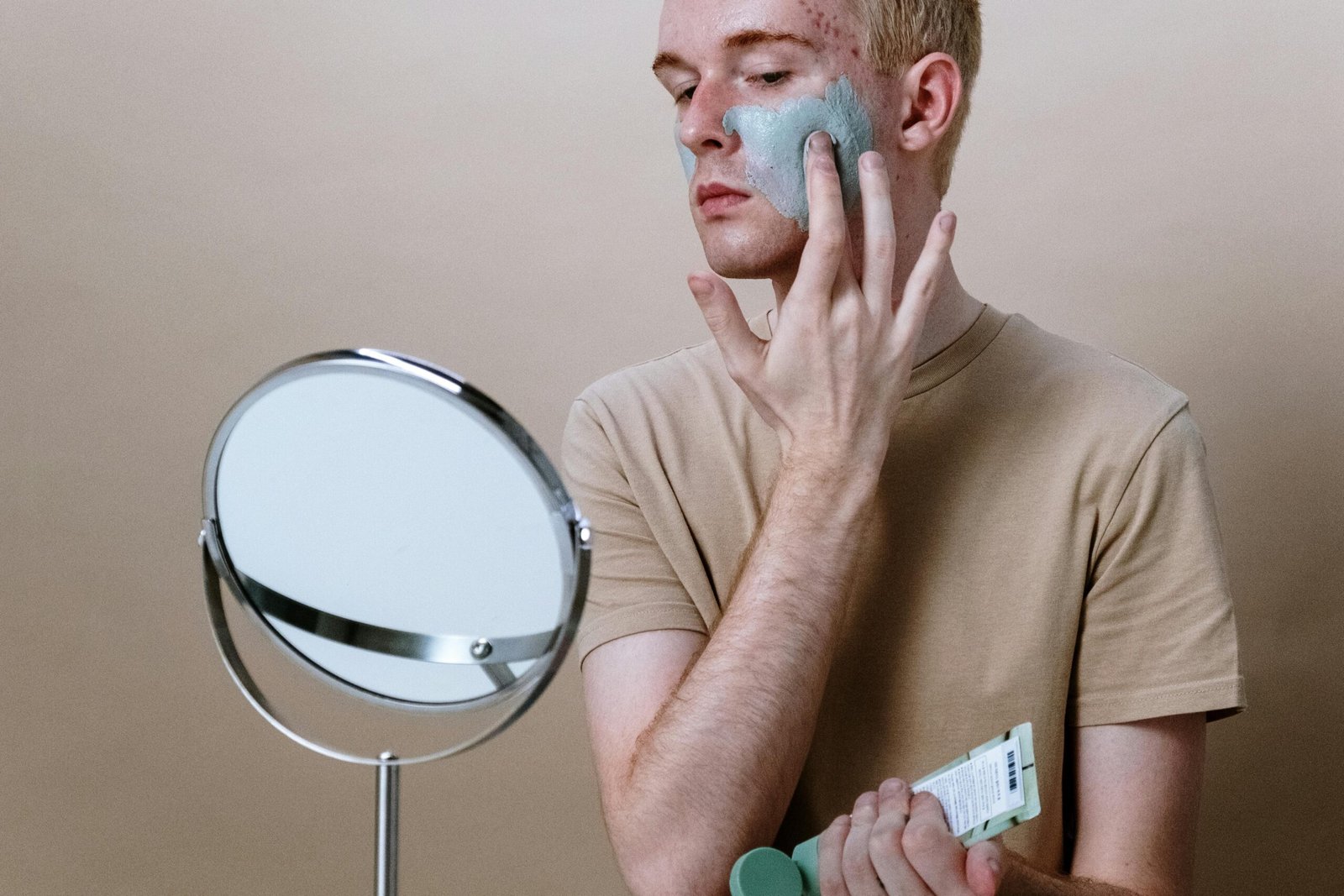
Oily skin often produces excess sebum, which can lead to clogged pores, blackheads, and frequent breakouts.
The goal of acne-focused facials isn’t to strip the skin completely of oil but to restore balance while reducing congestion.
Best Facials for Oily Skin
Clarifying Facial
Clarifying facials deeply cleanse pores and gently exfoliate the skin without causing excessive dryness.
Benefits include:
- Reduced oil buildup
- Fewer clogged pores
- Smoother texture
- Improved balance
Acne Clarifying Facial
These treatments specifically target acne-prone skin by calming inflammation and clearing congestion.
They may include:
- Extractions
- Chemical exfoliation
- LED light therapy
Blue LED Therapy
Blue LED light helps target acne-causing bacteria while reducing inflammation.
This makes it a useful addition for people dealing with recurring breakouts.
Microneedling Facial: Collagen Support and Skin Renewal
Microneedling has become increasingly popular for people looking to improve texture, scars, and early signs of aging.
The procedure uses tiny needles to create controlled micro-injuries in the skin, which stimulates collagen production.
Benefits of Microneedling
- Smoother skin texture
- Reduced acne scars
- Minimized pores
- Improved firmness
- Softer fine lines
- More even skin tone
While results can be impressive, multiple sessions are usually recommended for noticeable improvement.
Because the skin becomes more sensitive after treatment, hydration and sun protection are essential during recovery.
LED Light Therapy Facial: Brightening and Skin Recovery
LED therapy facials use different wavelengths of light to improve the skin’s appearance.
These treatments are often used to:
- Brighten dull skin
- Calm inflammation
- Support acne treatment
- Improve overall radiance
LED facials are commonly paired with exfoliation or topical skincare products to enhance results.
Why People Love LED Therapy
One reason LED treatments are popular is that they’re non-invasive and generally require little downtime.
They can be a great option for people looking for gradual skin improvement without more aggressive procedures.
IPL Laser Resurfacing: Advanced Skin Rejuvenation
IPL, or intense pulsed light therapy, is designed to improve:
- Uneven skin tone
- Sun damage
- Fine lines
- Texture irregularities
- Certain types of scarring
Unlike traditional facials, IPL uses targeted light energy to rejuvenate the skin over time.
Important Things to Know About IPL
- Multiple sessions are often needed
- Recovery varies depending on intensity
- Sun protection is extremely important afterward
- Not all IPL devices are ideal for darker skin tones
IPL is usually considered a more advanced treatment compared to standard spa facials.
Microdermabrasion Facial: Physical Exfoliation for Smoother Skin
Microdermabrasion is a non-invasive exfoliation treatment that removes dead skin cells from the outer layer of the skin.
A handheld device gently resurfaces the skin to improve:
- Texture
- Dullness
- Post-acne marks
- Mild discoloration
Benefits of Microdermabrasion
- Brighter complexion
- Smoother skin
- Improved product absorption
- Refined texture
Because it’s an exfoliating procedure, sunscreen becomes especially important after treatment.
Dermaplaning Facial: Smooth Skin and Better Makeup Application
Dermaplaning uses a scalpel-like tool to remove:
- Dead skin cells
- Peach fuzz
This reveals smoother skin underneath and creates a softer surface for makeup application.
Benefits of Dermaplaning
- Enhanced glow
- Smoother texture
- Better skincare absorption
- Flawless makeup application
While many people love the immediate smoothness dermaplaning provides, it’s not ideal for everyone. Those with certain skin conditions may need professional guidance before trying it.
Chemical Peel Facial: Brightening and Resurfacing
Chemical peels use exfoliating acids to dissolve dead skin buildup and encourage skin renewal.
Different strengths are available depending on your goals.
Benefits of Chemical Peels
- Brighter skin tone
- Reduced dark spots
- Smoother texture
- Improved post-acne marks
- More even complexion
Stronger peels can produce more dramatic results but may also involve downtime and temporary sensitivity.
Facial Guide for Sensitive Skin
Sensitive skin requires extra care because aggressive treatments can easily lead to redness, irritation, or barrier damage.
The best facials for sensitive skin focus on:
- Calming inflammation
- Strengthening the skin barrier
- Hydration
- Gentle exfoliation
Best Facial Types for Sensitive Skin
- Hydrating facials
- Calming facials
- Rosacea-friendly facials
- Gentle LED treatments
Fragrance-free products and soothing techniques are often recommended for reactive skin types.
Anti-Aging Facials for Mature Skin
As skin ages, collagen production naturally slows down. This can lead to:
- Fine lines
- Wrinkles
- Loss of firmness
- Uneven tone
- Thinner skin texture
Anti-aging facials are designed to support skin renewal and improve elasticity.
Popular Anti-Aging Treatments
Microneedling
Boosts collagen and improves texture over time.
Gold Facials
Luxury anti-aging facials that focus on radiance and skin rejuvenation.
Hydrating and Collagen-Supporting Treatments
Help plump the skin and reduce the appearance of fine lines.
Consistency is usually more important than a single treatment when it comes to long-term anti-aging results.
What Happens During a Professional Facial?
If you’ve never had a facial before, you might wonder what to expect.
Most professional facials follow a similar structure:
- Skin analysis
- Cleansing
- Exfoliation
- Steam or extractions (if needed)
- Facial massage
- Mask treatment
- Serums and moisturizer
Some advanced facials may also include:
- LED therapy
- Chemical exfoliation
- Microneedling
- Hydradermabrasion
A licensed aesthetician typically customizes the treatment based on your skin’s needs.
How Often Should You Get a Facial?
The ideal frequency depends on the treatment and your skin concerns.
Generally:
- Hydrating or classic facials can often be done monthly
- Microneedling and IPL require spaced-out sessions
- Acne treatments may need consistency for visible improvement
- Exfoliating treatments should not be overdone
Your skin’s response matters more than following a strict schedule.
How to Choose the Right Facial for Your Skin
Choosing the right facial doesn’t have to feel overwhelming.
Here’s a simple breakdown:
Skin Concern | Best Facial Options |
Dryness | Hydrating facial, HydraFacial |
Acne | Clarifying facial, Blue LED |
Dullness | LED facial, chemical peel |
Texture | Microdermabrasion, microneedling |
Sensitive skin | Calming facial |
Aging | Microneedling, collagen-supporting facials |
When in doubt, a professional skin consultation can help identify what your skin actually needs.
Final Thoughts: Finding the Best Facial for Your Skin
The best facial is never about trends or luxury alone; it’s about choosing treatments that support your unique skin type and concerns.
This facial guide shows that whether your goal is hydration, acne control, anti-aging support, smoother texture, or brighter skin, there’s a facial designed to help you get there.
From classic facials and HydraFacials to microneedling, chemical peels, and LED therapy, each treatment offers different benefits depending on your skincare goals.
The most important thing is listening to your skin, maintaining a consistent routine, and working with professionals who understand how to personalize treatments safely and effectively.
Healthy, glowing skin rarely comes from a one-size-fits-all approach, and the right facial can make all the difference.